
WNBA transgender participation: Engelbert keeps the door open
The league wants discussion, not a rush to the next headline.
 Leo Lupo6 min read
The WNBA just stepped into one of those conversations nobody in the building can duck forever. Commissioner Cathy Engelbert sent a memo saying the league will keep talking about transgender participation, and that means this subject is headed where all the thorny ones go: a committee room, a policy memo, and a whole lot of people talking past each other before anybody gets to the actual basketball.
This is not a story about a single player, not yet anyway. It’s about how a league handles a question that touches competition, fairness, inclusion, labor, and public pressure all at once. That’s a nasty little bundle. The WNBA has spent years building a reputation as a league willing to take stands on social issues, but those stands get harder when they collide with locker-room realities and the rules of play. If you want easy answers, basketball is the wrong neighborhood.
Engelbert’s memo says the league wants more than noise
The key word here is not “decision.” It’s “discussion.” Engelbert’s memo signals the league is not rushing into a blanket statement and pretending that settles anything. There will be a task force. Team presidents and general managers will be involved. The matter will be revisited. That may sound bureaucratic, because it is. But sometimes bureaucracy is just the league’s way of saying, “We know this is bigger than a press release.”
And make no mistake, the WNBA has to be careful. Women’s basketball has spent decades fighting for respect, resources, and legitimacy. The league can’t afford to look flippant about competitive integrity. Neither can it afford to sound like it’s turning its back on people who want to play the game. That tension is the whole problem. If the league mishandles it, it alienates somebody no matter what. WNBA has never been a place where public image stays neatly inside the lines.
Why this matters beyond one memo
This is bigger than the WNBA, and everybody in the business knows it. Every pro league in North America has either already faced, or is about to face, the same argument in some form. Women’s sports are growing, getting more visibility, more money, more scrutiny. That brings the spotlight. The spotlight brings policy fights. And policy fights bring in everyone from players to politicians to people who haven’t watched a post-up since the VHS days.
You can already see how messy this gets. The league has to consider fairness in competition, but also how it defines eligibility, what kind of medical or biological criteria matter, and who gets to make those calls. That’s not a matter for slogans. It’s a matter for hard rules, written carefully and probably revised more than once. Anybody who thinks this will be solved by a TV panel and a hashtag is selling snake oil.
The bigger issue is trust. Players need to trust that rules are fair and stable. Fans need to trust the league isn’t winging it. And the league needs to trust that any decision it makes can stand up to heat from both sides. That’s a taller order than most folks want to admit.
The league is trying to avoid a cheap answer
There’s a lazy way to handle this: pick a side fast, declare victory, and let the noise machine do the rest. That’s how you make everyone mad in a hurry. Engelbert, for all the criticism she draws in other areas, seems to understand that this one can’t be handled like a halftime promotion.
The WNBA has already been through enough cultural crossfire to know there’s no perfect phrasing here. Its leaders will be pushed to explain whether they’re protecting women’s sports, expanding inclusion, or doing some delicate shuffle between the two. Truth is, they’re trying to do both, and that’s where the floorboards creak. Some issues are just built to split a room.
The league doesn’t need a louder statement. It needs a sturdier one.
Fans may not like the wait, but the wait is the point. If the WNBA comes out with a rule, that rule has to hold up under pressure from players, teams, sponsors, and the public square. A half-baked policy would be worse than no policy at all. It would hang around like bad lighting.
Leo’s take: this is where leagues grow up, or pretend to
I’ve been around long enough to remember when leagues figured if they didn’t say the hard thing out loud, the hard thing would go away. It never does. It just waits in the hall with its coat on. What Engelbert has done here is admit the obvious: the league is dealing with a real governance problem, not a PR inconvenience. That’s a better starting point than the usual polished nonsense.
The older I get, the more I respect a league that pauses before it speaks, provided the pause is for work and not for cowardice. We’ve seen what happens when sports institutions chase the first clean line they can find. They end up with rules nobody trusts and explanations nobody believes. The WNBA’s challenge is to write something fair enough to survive contact with reality. That’s the job. Not sound bites. Not virtue theater. Rules.
And don’t kid yourself: whatever the league eventually decides will be argued over by people who have already made up their minds. That’s the modern deal. But the WNBA still has an obligation to get the process right, because process is what keeps a league from looking like it makes things up on the fly. women's basketball has earned that much.
What to watch when the task force starts talking
The next telling piece will be who gets a seat at the table and what kind of guidance comes out of it. Will the league lean on medical experts, legal minds, player voices, or all of the above? Does it aim for a broad policy, or something narrower and easier to enforce? Those details matter more than the canned language around them.
Also watch the tone from team offices. If presidents and GMs sound unified, that usually means the league is trying to keep a lid on internal fractures. If they start freelancing, then the whole thing gets louder, faster. And in this business, once the quotes start drifting, the issue stops being about policy and starts being about control.
The WNBA has opened the door to a real discussion. Now it has to walk through the ugly part of it without tripping over its own feet. That’s where the grown-up leagues separate themselves from the ones just collecting applause. This one’s going to test whether the WNBA wants a statement or a standard. Big difference.
More from Straight From The Bench
Comments
Join the conversation — sign in to leave a comment.
Sign in to commentRelated Stories
Demi Vollering Tour de France Femmes Lead: Stage 8 Win
Demi Vollering timed the move, took stage eight, and grabbed yellow with one day left. The Tour de France Femmes just got a lot more tense.
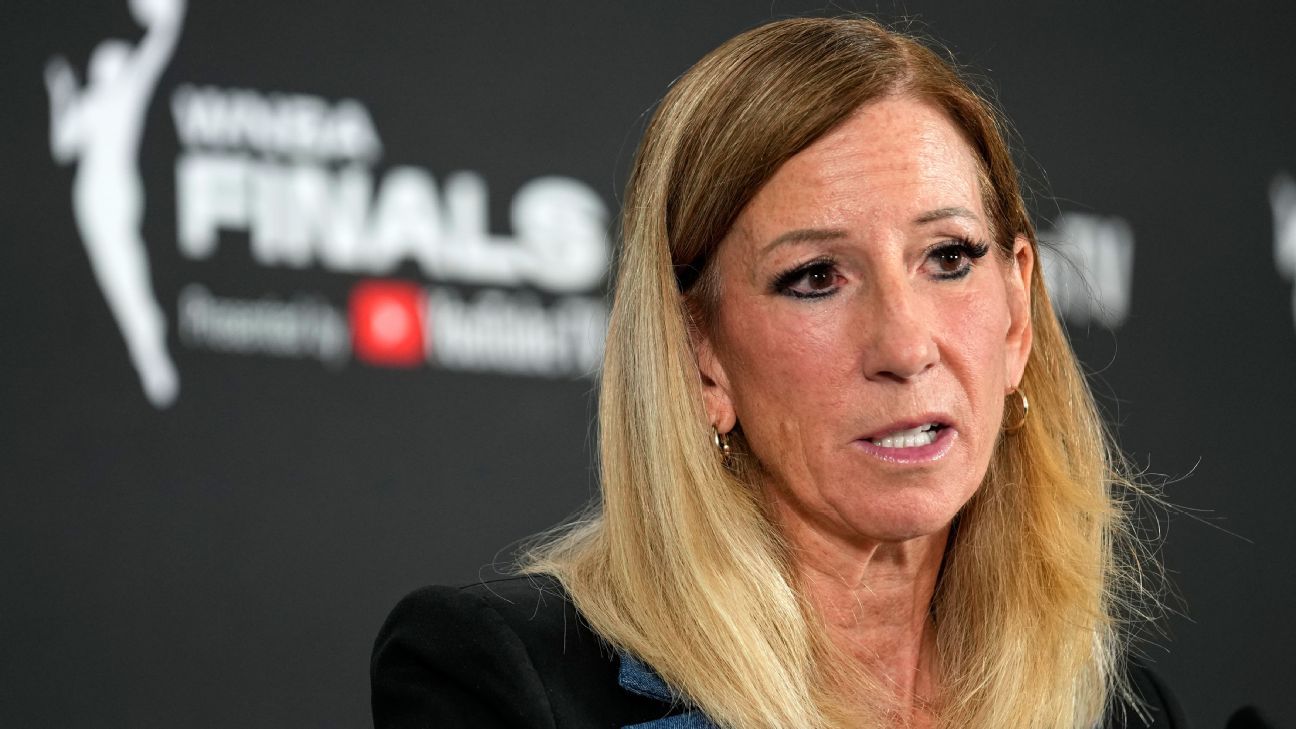
WNBA transgender athletes talks: Engelbert memo sets next test
Cathy Engelbert’s memo signals the WNBA is trying to stay ahead of a charged debate. The next round of talks will test the league’s values, language and leadership.
Sophie Cunningham trans comments: Bill Maher backs women's sports stance
Bill Maher’s defense of Sophie Cunningham turned a messy culture war clip into a bigger debate about locker rooms, women’s sports, and where the line gets drawn.