
2026 World Cup in the U.S.: Fans Fell Hard for America
Bigger crowds, louder nights, and a soccer country that finally showed up
 Leo Lupo5 min read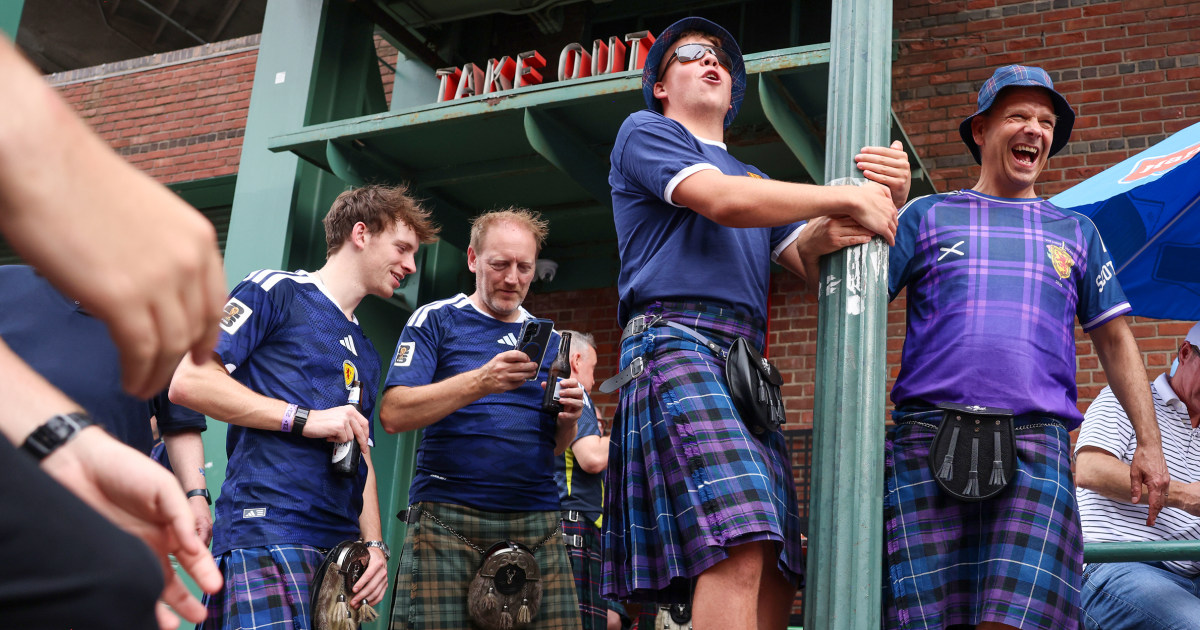
The World Cup didn’t just visit America — it moved in
The 2026 World Cup came to the United States and, for once, the place acted like it knew what to do with it. Stadiums were full, the television numbers were fat, and the whole circus looked less like a novelty act and more like a country finally learning the tune. That matters. Because America has spent decades treating soccer like a houseguest it liked fine enough, but never enough to offer the good china.
This time, the fans showed up with the stamp in their passport and the dust still on their boots. They came for the football, sure, but plenty of them left with a softer spot for the country itself. That’s the part nobody should brush off. Big tournaments do that. They don’t just sell tickets; they rewrite habits. They turn skeptics into regulars, and regulars into people who start arguing about offside calls in bars on a Tuesday night.
A World Cup on American soil was always going to pull in the curious. What it appears to have done in 2026 was convert them. That’s a different animal.
Packed stadiums, loud cities, and a country that learned the welcome drill
You could feel the shift before the opening whistle. Not in some grand marketing slogan, either. In the line for food. In the jersey mix in the stands. In the way stadium hosts, cops, bartenders, and rideshare drivers all seemed to get the assignment without needing a translation app and a pep talk.
The United States has hosted big sports before, of course. This isn’t ancient history. But soccer is a different racket. It thrives on atmosphere, on migration, on that wonderful mess of accents and colors and songs you hear before you ever see the pitch. American venues, from old NFL sheds to shinier soccer-specific cathedrals, gave the tournament room to breathe. That’s half the battle.
And when the crowd looks comfortable, the event looks legitimate. Simple as that. Nobody wants to sit through a global spectacle that feels like it’s being held together by a temporary fence and a corporate lanyard.
The ratings tell one story. The emotion tells the better one
Television ratings are the tidy version of the tale. They tell broadcasters and sponsors what they want to hear. Millions in the stands tell a richer story. That’s where the money meets the memory. A kid who sees Lionel Messi or Lamine Yamal under the lights in a packed American stadium doesn’t forget it. Neither does the parent who brought three flags, two water bottles, and one nervous back injury from standing too long.
The real win wasn’t just that America watched the World Cup. It was that the World Cup started to feel at home here.
That’s the piece that should make FIFA executives sit up straight. You can chase numbers all day, but the best tournament cities build believers. And believers come back. They buy the scarf. They remember the neighborhood bar where they watched the quarterfinals. They tell their cousin to come next time.
That’s how a one-off becomes a market.
The American soccer crowd is changing shape
For years, American soccer coverage leaned on the same old sermon: the sport is growing, the sport is coming, the sport is almost here. Fine. I’ve heard that tune since Pelé was still the gold standard and not a museum piece. Most of those proclamations were a little too polished, a little too eager, and usually came with a sponsor logo attached.
But 2026 felt different because the growth wasn’t theoretical. It had faces. It had generations. It had entire families that came for one player and stayed for the pageantry. It had American fans who already knew their club chants, and newer ones who learned the rhythm because the event was too big to ignore.
The old guard will grumble that the United States still doesn’t “get” soccer. Maybe. The country doesn’t need to become London overnight. It just needs to keep showing it can host this thing without turning it into a department store parade. From the look of it, plenty of Americans figured out that this game is not a foreign import anymore. It’s part of the furniture.
What this means for 2026, 2028, and the business of being taken seriously
I’ve covered enough booms to know this part: the hangover can be ugly if the next step is lazy. You can’t throw confetti on a tournament, collect the receipts, and call it a legacy. The infrastructure matters. The youth pipelines matter. The local club scene matters. So does not pricing ordinary fans out of the building once the world cameras go dark.
Still, this was a promising kind of noise. The sort that lasts longer than a viral clip. It told the rest of the sporting world that the United States can host soccer at scale and not look like it borrowed the whole operation from a school fair.
It also reminded the domestic scene that America doesn’t need to “discover” soccer again. The country already did that. What it needs now is respect for the work. Better broadcasts. Better fan experiences. Better pathways from the youth fields to the pro game. Less chest-thumping. More rolling up the sleeves.
The World Cup did its job. It brought the globe here and made the skeptics squint. Now comes the harder part: keeping the crowd after the fireworks fade. If America wants to keep this love affair going, it has to act like it’s earned it.
And from the looks of 2026, it finally has.
More from Straight From The Bench
Comments
Join the conversation — sign in to leave a comment.
Sign in to commentRelated Stories

Spain World Cup Final: Outplaying Messi's Argentina to the Summit
Spain were cleaner, sharper and more ruthless in the biggest game. Messi’s Argentina never got a foothold, and the trophy followed the performance.

2026 World Cup Final: Trump’s Presence Casts a Long Shadow
Spain won the final, but the loudest reaction in the building belonged to Donald Trump. In a sport built on ceremony, his presence turned one last act into a test of nerves.

Spain vs Argentina World Cup Final: Young Spain Wins
Spain turned a tense final into a structural lesson, blanketing Lionel Messi’s Argentina and lifting a second World Cup in New Jersey.