
College Football Playoff expansion: SEC, Big Ten, and TV fight
The money men are circling, and the playoff is once again the prize on the table.
 Leo Lupo5 min read
The playoff isn’t broken. It’s being negotiated to death.
College football has a way of wrapping itself in pageantry, then dragging the rug out from under it with a spreadsheet. Here we are again. The College Football Playoff is staring at a December deadline, and the argument over expansion is less about crowning the best team than it is about who gets paid, who gets protected, and who gets to say they had the cleanest conscience while cashing the check.
This isn’t some quaint debate about giving the little guy a better shot. The big dogs — the SEC, the Big Ten Conference, and the TV folks with their thumbs on the scale — are fighting over the shape of the thing because the shape decides the money. That’s the ballgame. The rest is window dressing and press-conference wallpaper.
December is the real deadline, not the talking season
The committee can jawbone all it wants, but the clock is loud now. A December decision means these conferences have to settle their own tug-of-war before the sport starts pretending it stumbled into a fair outcome by accident. That’s not how this works. It never has been.
The SEC and Big Ten are the heavyweights here, and everybody else is trying not to get trampled while those two decide whether they want a bigger field, more auto-bids, or a format that keeps the power where it’s always sat — in the same few suites, on the same few campuses, with the same few suits nodding along.
The dirty little secret is that expansion always gets sold as access. More teams. More excitement. More “deserving” programs getting a crack. Fine. But the sport has been marching toward a closed club with a wider gate for years. If the gate gets bigger, that doesn’t mean the bouncer gets friendlier.
Follow the money, not the slogans
TV isn’t just a bystander here. It’s the engine. The broadcast partners don’t pour in all that cash because they’re moved by the poetry of competition. They pay because inventory matters. More games mean more windows, more ad slots, more content to shovel into a hungry calendar.
That’s why this whole expansion fight keeps circling back to financial models. A 12-team playoff, a 14-team playoff, some bracket gymnastics with byes and automatic qualifiers — each version is being judged like a stock portfolio. Which format delivers the most value? Which one keeps the biggest brands happy? Which one lets the networks sell the dream without giving away too much control?
And make no mistake, the control part matters. College football has spent decades pretending it’s still a campus pastime when it’s really a massive entertainment business wearing a letterman jacket.
The SEC and Big Ten want power, not just access
If you’re looking for noble intent, keep walking. The Southeastern Conference and Big Ten aren’t lobbying out of charity. They want formats that reflect their strength and guard against being boxed out by some committee math trick or a bad year in the standings.
That’s where the tension lives. The bigger the playoff gets, the more everyone talks about inclusivity. But the larger it becomes, the more the richest leagues worry about dilution — not of talent, but of leverage. They don’t want a setup where their weekly grind is worth the same as somebody else’s tidy little conference championship and a hot November.
And yet, if they push too hard for protection, they’ll expose the whole game. College football’s myth is that it’s a national sport with regional soul. The truth is uglier and more profitable: it’s a hierarchy dressed up as tradition.
Everybody wants a bigger playoff until the new format starts threatening the old pecking order.
This is where the old guard and the future keep colliding
I’ve seen this sport sell itself as stable while rebuilding the foundation with a backhoe. Realignment did it. The transfer portal did it. NIL did it. Now the playoff is doing it again. Every time college football says it’s solving a problem, it creates a new class of winners and losers and calls the mess progress.
My read? The expansion fight is really a power map for the next decade. Not the next season. Not the next TV package. A decade. Whoever gets the format they want will shape how teams schedule, recruit, spend, and dream. The postseason is no longer a finish line. It’s an operating system.
I’ve covered enough of these “transformative” moments to know the routine. First come the promises. Then come the leaks. Then the compromise gets dressed up as inevitability. Fans are told this is for competitive balance, and maybe some of it is. But mostly it’s about the leagues that already have the loudest voices making sure the new setup doesn’t quiet them down.
If you want a historical parallel, look back at every time the sport moved the goalposts and called it modernization. Same script, different year. The scoreboard changes, the power structure barely does.
What to watch before the committee makes its call
The next few months are about pressure points. Watch for whether the SEC and Big Ten line up on one model or try to force the other side into swallowing a compromise. Watch the networks, because if the money forecast shifts, the room shifts with it. And watch the schools on the outside of the power center. They’ll say the right things in public, but they know exactly what they’re watching for: whether this new playoff opens the door or just widens the frame around the same old picture.
If the decision lands in December, don’t mistake speed for clarity. College football rarely settles anything cleanly. It just passes the bill to the next generation and calls it a tradition.
The postseason is changing. The only real question is whether the sport admits who’s driving the car.
More from Straight From The Bench
Comments
Join the conversation — sign in to leave a comment.
Sign in to commentRelated Stories
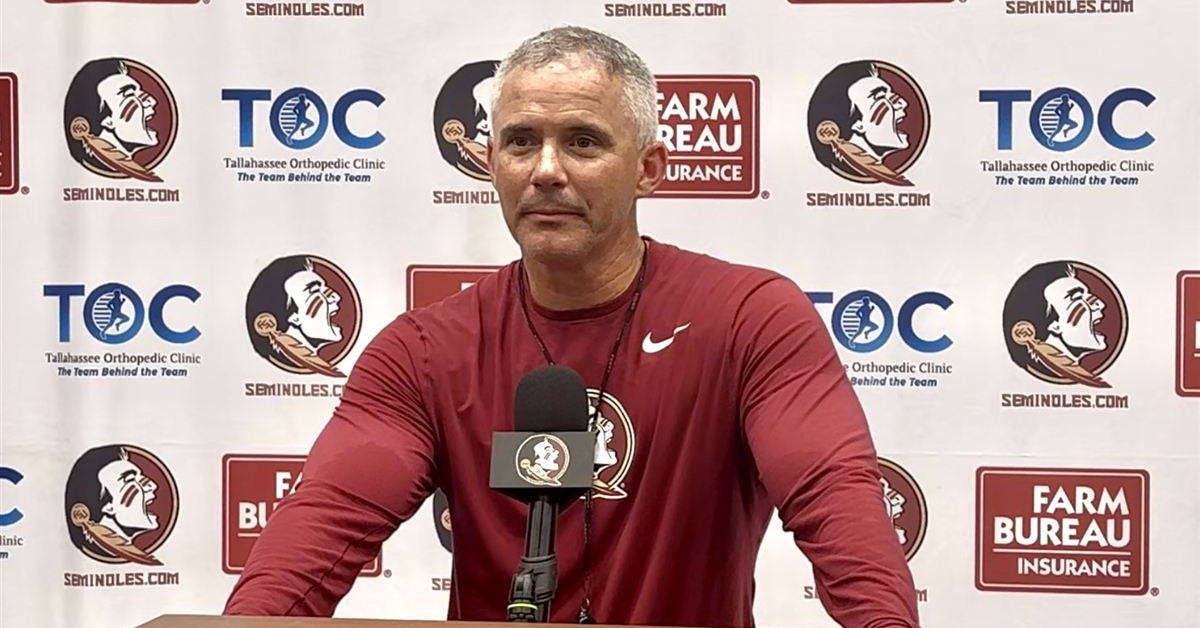
Florida State Scrimmage Update: Ashton Daniels, Pass Rush, and More
Mike Norvell’s second scrimmage report offered a clearer look at Florida State’s temperament: Ashton Daniels’ progress, a pass rush trying to find its teeth, and a roster still being pressed into form
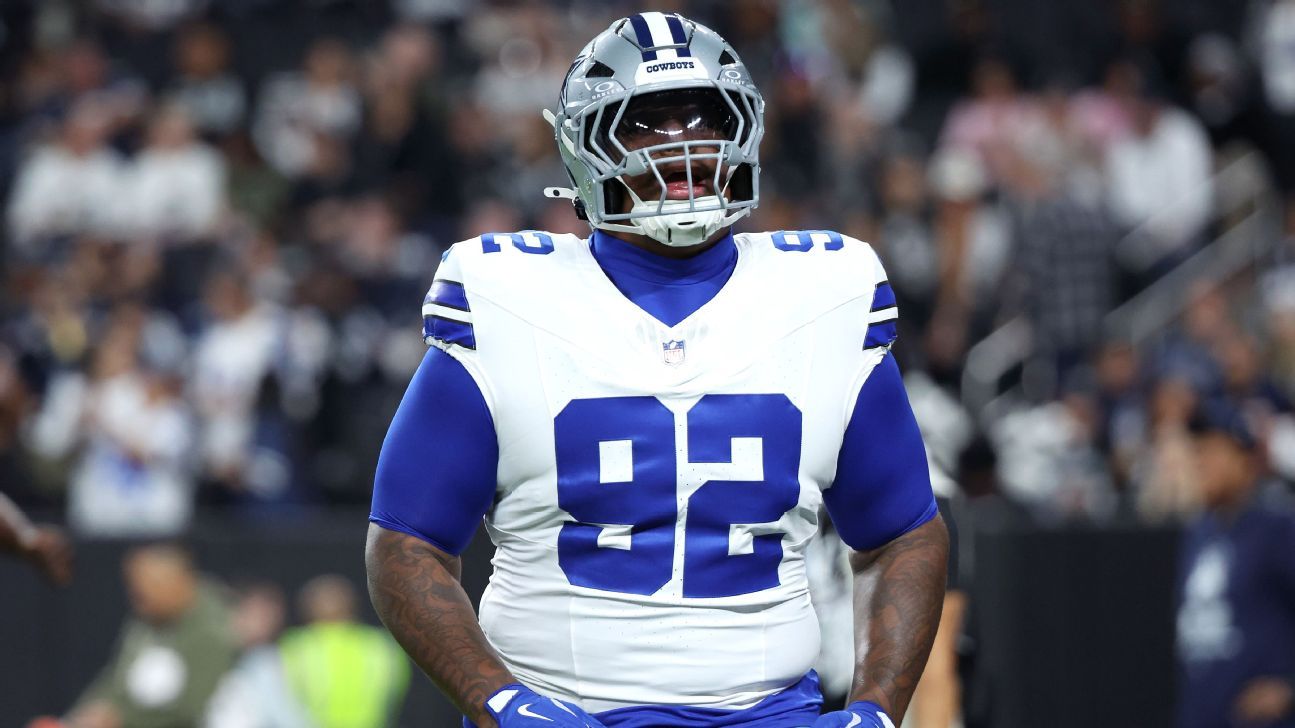
Cowboys Quinnen Williams Extension: Dallas Pays for the Middle
Dallas has locked up Quinnen Williams on a three-year extension that makes him one of the NFL’s highest-paid defensive linemen. It is a wager on power, urgency, and the collapsing pocket.

FedEx St. Jude Championship Power Rankings: 20 Years In, Still Cuts Deep
The FedExCup Playoffs hit year 20, and FedEx St. Jude is still the first real pressure cooker. Form matters, but playoff nerves matter more.