
Cubs Acquire Ryan Zeferjahn: Bullpen Depth With Control
Chicago buys a small arm for a large October problem.
 Beatrice Kensington5 min read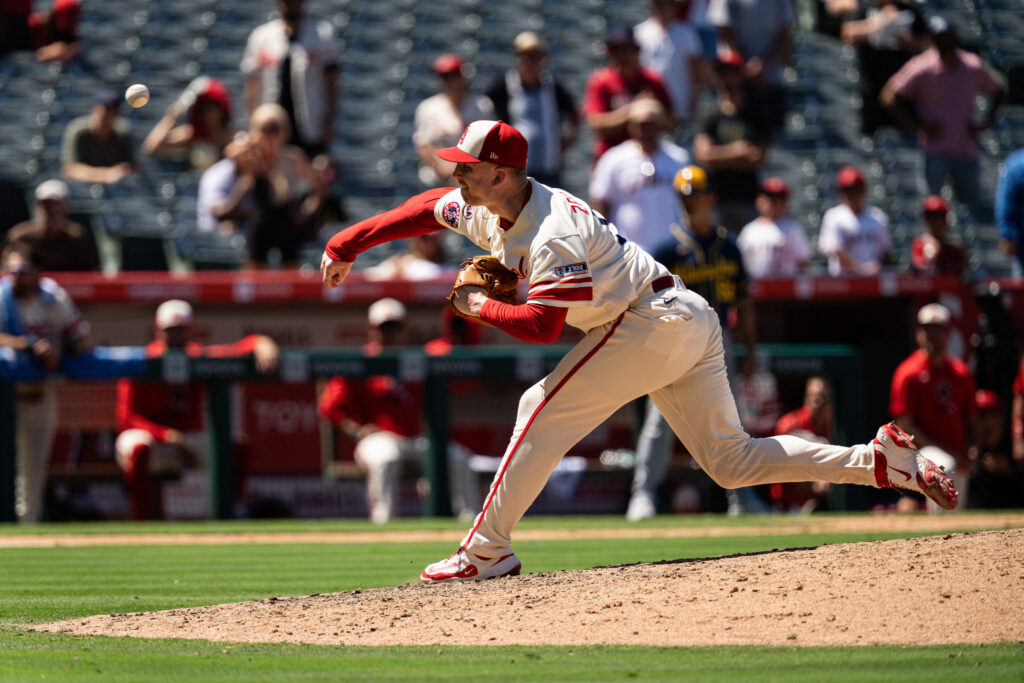
The Cubs did not swing for the rafters here. They reached into the middle of the market, where good clubs often make their quietest and most practical decisions, and came away with Ryan Zeferjahn, a right-handed reliever who fits the sort of roster math contenders live by in July and October. In return, the Angels are getting catcher Moises Ballesteros and right-hander Mason McGwire, a return that suggests Chicago was willing to exchange future uncertainty for present-day leverage.
That is the shape of modern baseball now: less theatre, more accounting. And yet every one of these smaller transactions carries its own weather system. A bullpen is a fragile thing, built on trust, fatigue management, and one manager’s stubborn belief that the next inning can be survived with the right matchup. The Cubs are buying insurance. They are also admitting, in their own careful language, that the relief corps still needs more than hope.
Why Zeferjahn matters to Chicago’s bullpen
Zeferjahn’s appeal is not mystery; it is control. Clubs chase controllable relievers the way exhausted parents chase a quiet room. A useful arm that can be kept around beyond this season gives the front office a little room to breathe, a little room to avoid overpaying for the kind of late-inning help that vanishes the moment the market smells desperation.
For the Cubs, this is about innings as much as it is about talent. Middle relief rarely earns headlines unless it implodes, but the teams that survive a long season usually have three or four pitchers who can absorb the ugly work without turning every night into a fire drill. Zeferjahn is now part of that effort, and Chicago will be hoping he can become a stabilizer rather than just another name in the churn.
There is a reason teams keep circling back to this part of the trade market. Relievers age quickly, they break in ugly ways, and they are often asked to be perfect in the least forgiving jobs on the field. The Cubs are betting that Zeferjahn’s profile is sturdier than most, or at least sturdier enough to matter.
What the Angels are buying with this deal
The Angels have spent years trying to solve a puzzle that keeps changing shape in their hands. Their roster strategy has too often been defined by urgency without architecture, by trying to patch competitive holes while the larger foundation still wobbles. That makes a trade like this feel familiar: move a reliever, collect younger pieces, and hope the sum of the parts can become something more durable.
Ballesteros and McGwire give Los Angeles a different kind of wager. Catchers and pitchers are never merely names on a ledger; they are timelines. They are development curves. They are the possibility that one day a club can stop spending draft capital and stop chasing fit in the margins. Whether either player becomes that kind of answer is unknowable right now. But the Angels at least chose accumulation over standing still.
This is where the trade takes on a larger meaning. Chicago gets the cleaner present. Los Angeles gets the longer view. In a sport that tends to punish impatience, each front office is revealing its own theology.
Small bullpen trades rarely change the mood of a city. They can, however, change the fate of a season.
The larger lesson for a Cubs team still chasing certainty
I have always believed these middle-tier bullpen additions tell you more about a front office than a glamorous splash ever could. A blockbuster can be bravado; a measured move is a philosophy. The Cubs are signaling that they do not intend to let the middle innings become a slow leak. That is the proper instinct for a club with postseason ambitions and enough history to know that the October bracket does not reward romanticism.
I also think these trades expose a hard truth about roster building in the present tense. Teams talk endlessly about depth until they need it, then discover depth is expensive and thin and often available only by subtracting from somewhere else. Chicago’s willingness to part with Ballesteros and McGwire suggests confidence in its developmental pipeline, or at least a belief that the bullpen gap matters more than the distant upside those two might provide. That is not a reckless position. It is a grown-up one.
The Cubs have seen enough summers to know that a pennant race can be undone by a single worn-out reliever who no longer has his command, or by the manager trying to cover three innings with two arms. If Zeferjahn becomes merely competent, the trade will likely justify itself. If he becomes dependable, it becomes one of those unglamorous moves that quietly props up everything else.
What to watch next in Chicago’s relief picture
The immediate question is not whether Zeferjahn looks good in a uniform photo. It is whether he can slot into high-leverage spots without forcing everyone else one rung higher on the ladder. That kind of reshuffling matters. Bullpen hierarchies are delicate, and one addition can change who gets the seventh inning, who gets the matchup lefty work, and who suddenly stops being asked to carry an impossible load.
Chicago’s front office has now made its preference plain: stabilize the present, keep the roster flexible, and avoid paying a premium for panic. If the Cubs keep making moves like this, they are likely to look less like a team chasing headlines and more like a club determined to survive the long arithmetic of a postseason push.
The next few weeks will tell us whether this was a footnote or the first draft of something sturdier. For now, the Cubs have added another arm, and in August, that can feel like buying oxygen.
More from Straight From The Bench
Comments
Join the conversation — sign in to leave a comment.
Sign in to commentRelated Stories
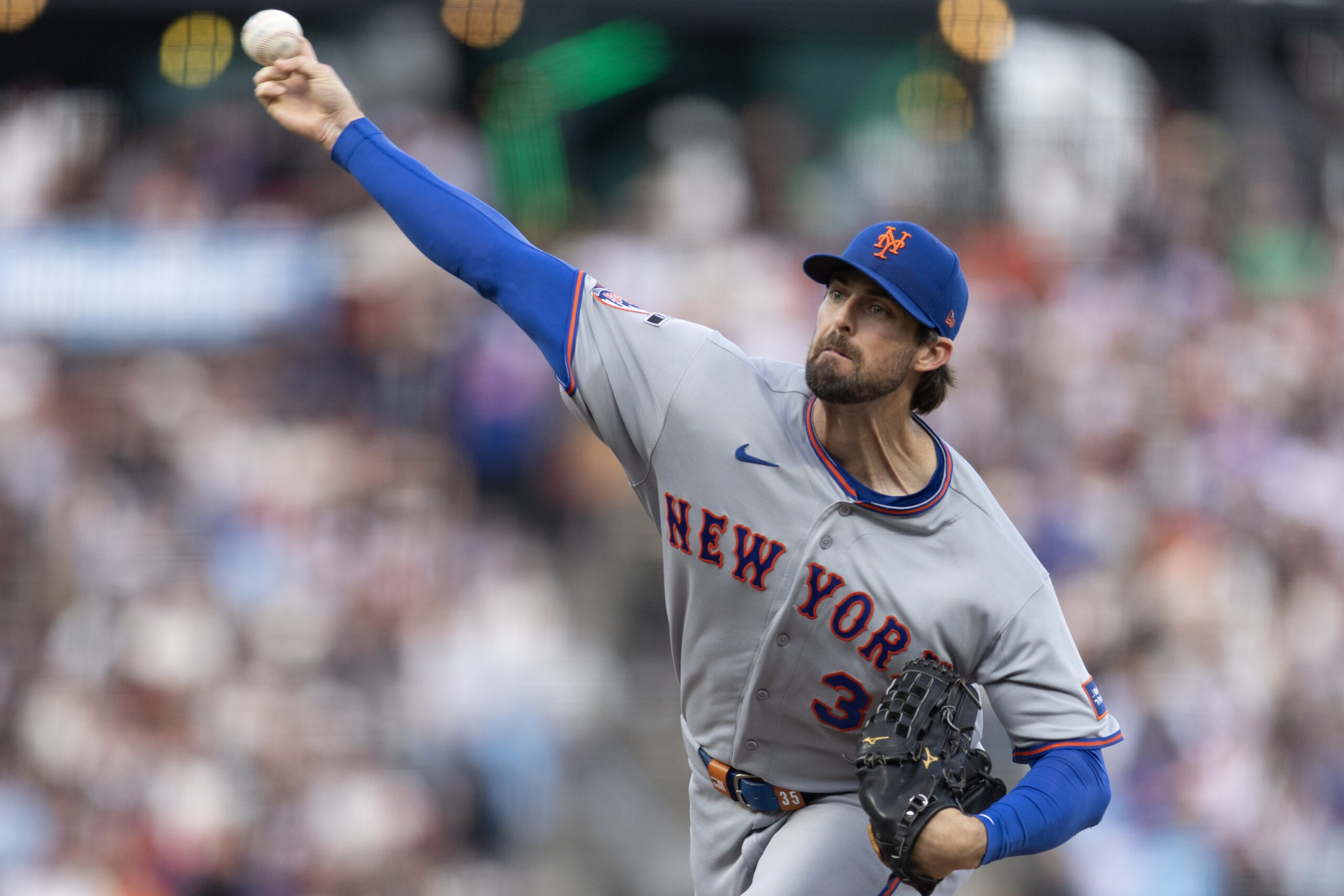
Mets Trade Deadline: Eight-Player Selloff Leaves a Bruised Club
The Mets turned the deadline into a dismantling, shipping out eight big-league pieces and signaling a harder truth: this year was already slipping away.
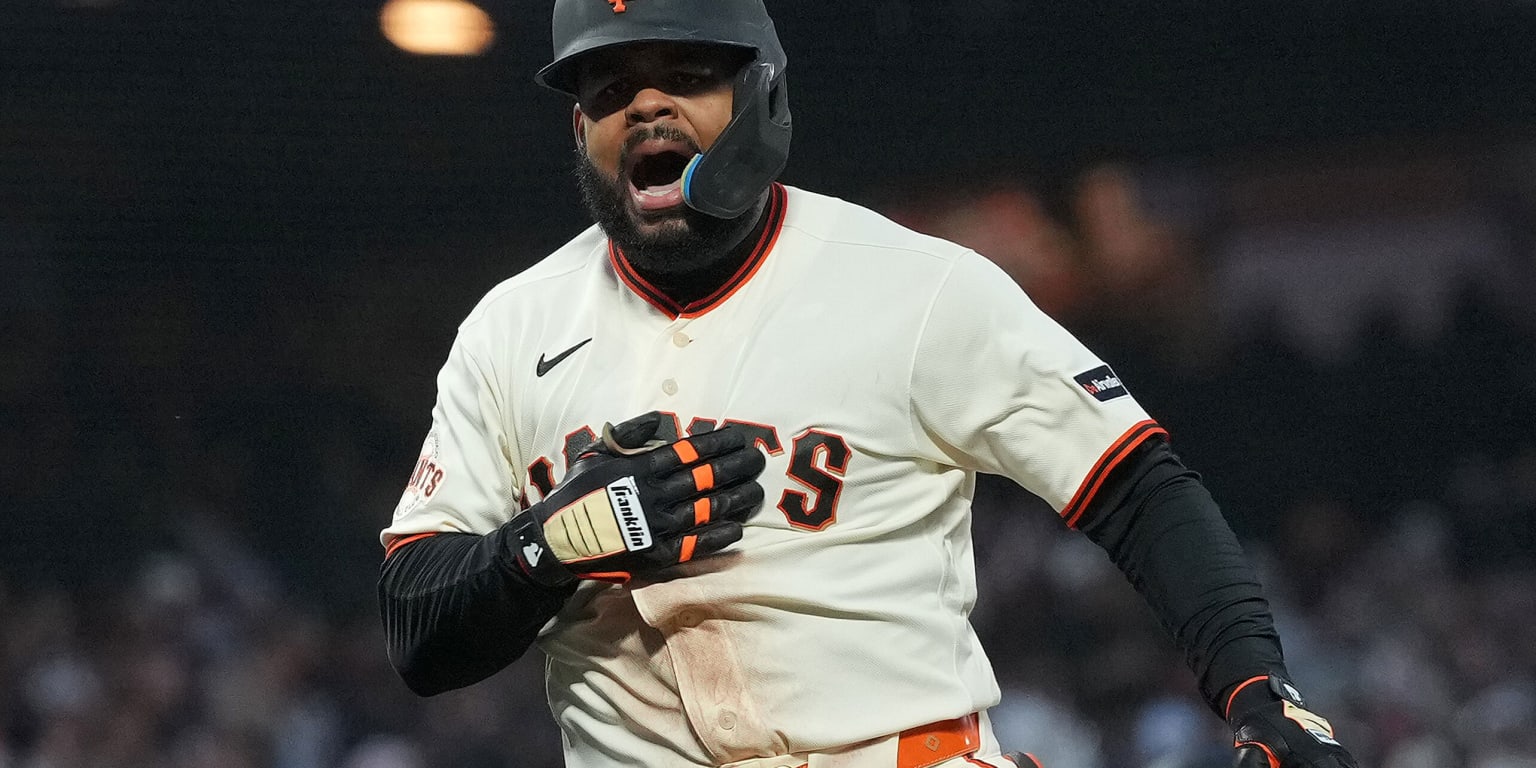
Yankees trade for Heliot Ramos: right-handed bat arrives late
New York finally found the right-handed outfield help it hunted all week, landing Heliot Ramos from San Francisco in a deadline deal. The Yankees spent long enough shopping; now comes the part where t
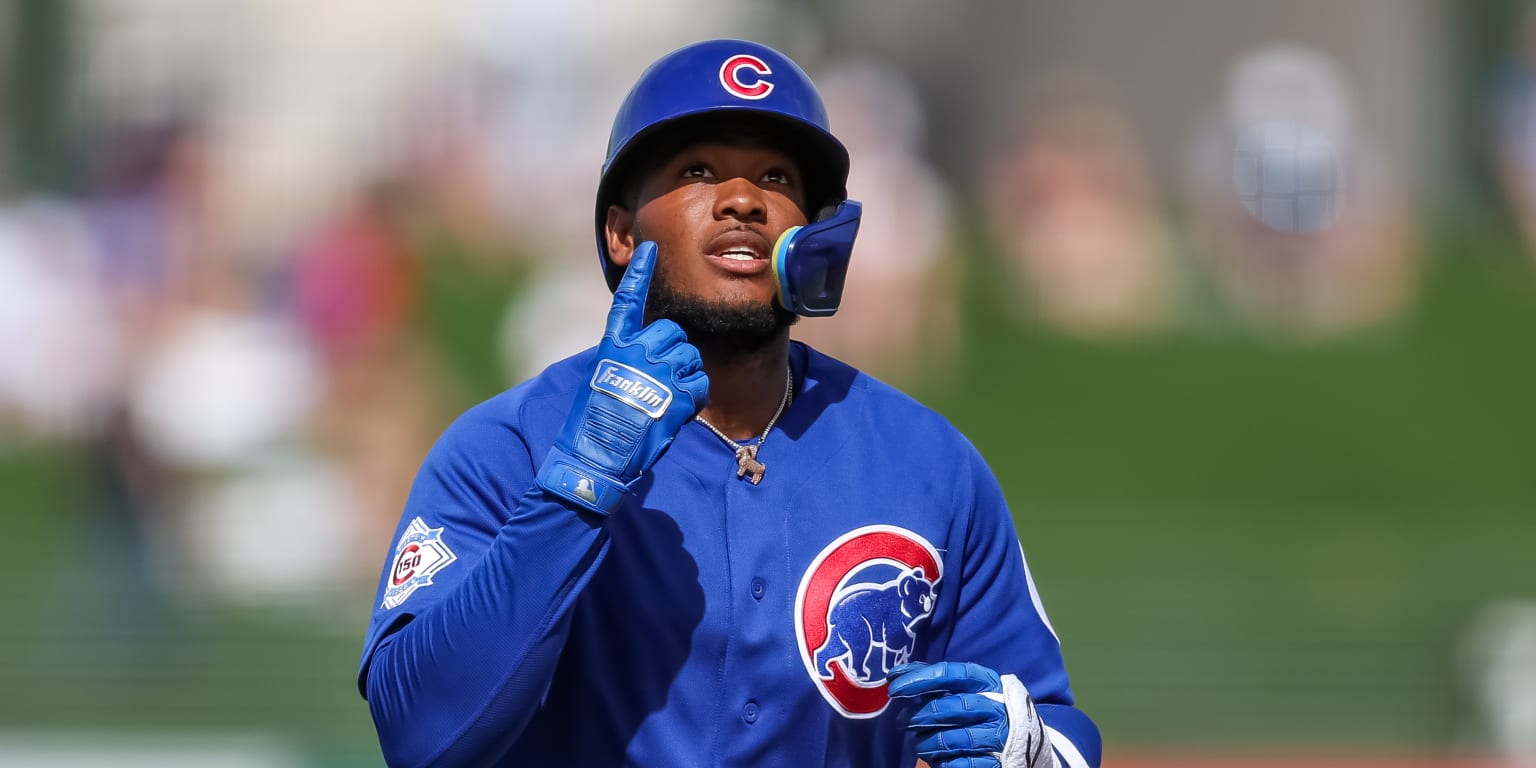
Mets Trade Deadline: Rojas Arrives as Holmes, Taylor Head to Cubs
The Mets found their signature prospect, and the cost was bigger-league certainty. Nolan McLean’s arrival says plenty about where this club is headed.