
Royals Trade Kris Bubic: Dodgers Add Another Lefty Arm
L.A. keeps stocking the cupboard, and Kansas City keeps choosing the future.
 Beatrice Kensington5 min read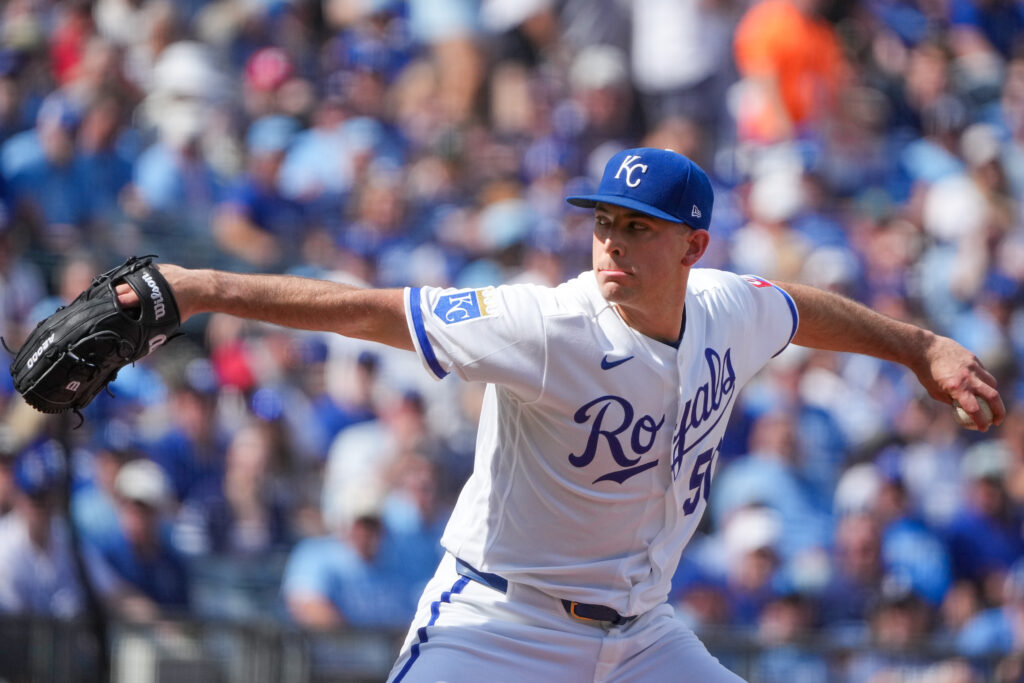
The Dodgers have spent years turning roster maintenance into an art form. So when they reach again for a left-handed arm, this time pulling Kris Bubic out of Kansas City, it feels less like a splash than a signature. Another pitcher. Another layer. Another reminder that the franchise’s idea of insurance is what most clubs would call a luxury.
For the Royals, the deal fits a different logic entirely. This is a team still trying to decide which parts of its present deserve to survive the future. Bubic had become the sort of movable asset that teams with larger ambitions can afford to convert into something else: a younger arm, a longer timeline, a little more room to breathe. Kansas City is not shopping sentiment here. It is shopping probability.
The Dodgers’ favorite habit: adding protection before the fire starts
Los Angeles has spent the better part of a decade behaving as though the regular season is a long rehearsal for October, and every useful pitcher is a potential line of defense against a bad week, a dead elbow, or a series that turns on the wrong bounce. Bubic joins a staff that already carries the usual Dodgers burden: too many expectations, too few stress-free innings. That is the point. Depth is not a side dish in Chavez Ravine. It is the meal.
What Bubic offers matters because left-handed pitching still changes the shape of a matchup. It changes the sightlines for opposing hitters, it changes the way a manager pencils in the late innings, and it changes the emotional temperature of a bullpen when the calendar tightens. Even if Bubic arrives as a depth piece, depth pieces on this roster tend to find real work.
That is the quiet menace of the Dodgers’ model. They do not need every acquisition to be loud. They need it to be useful, and they need enough useful things that one injury does not crack the whole frame.
The Dodgers do not collect pitchers. They collect options.
What Bubic means for Kansas City’s ledger
Kansas City’s side of the trade is harder, but hardly mysterious. Clubs in the Royals’ position often face the same unpleasant choice: keep a decent, controllable arm and hope the next phase arrives on time, or move him while the market still believes in the idea of what he can become. The second path is colder. It is also often smarter.
Bubic’s departure says the Royals are still measuring themselves against a longer horizon. That can feel frustrating to fans who want a roster that looks complete now, not someday. Yet teams do not climb back into contention by hoarding every decent piece until the edges rot. They climb by recognizing which players fit the next good team and which can be used to acquire the rest.
There is a cost to that discipline. Fans know it. Players know it too. A trade like this can read as an act of progress in the front office and an act of subtraction everywhere else. Both readings can be true.
Why the left-handed fit matters in October's language
This is where the move becomes more than a transaction line. October baseball is built on asymmetry. One lefty can redraw a lineup card, one reliever can erase a pocket of hitters, one matchup can force a manager into a decision he did not want to make three innings earlier. The postseason often rewards teams that can manufacture one extra favorable look at precisely the right moment.
Bubic, by profile alone, gives the Dodgers one more way to do that. Whether he lands in the bullpen, stretches into a bulk role, or simply becomes a flexible answer in a staff that never stops accumulating contingency plans, his value lies in range. And range is everything for a team that tends to treat the season as a puzzle box.
If you want the larger baseball story here, it is this: the sport still runs on scarcity, even for the richest clubs. There are not enough reliable arms, not enough innings, not enough clean paths through six months. Teams like the Dodgers understand that scarcity better than anyone, which is why they keep buying themselves more ways to survive it.
Beatrice’s view: the rich get flexibility, the rest get lessons
I have long believed that the most revealing trades are not the glamorous ones but the efficient ones. The ones that do not make a stadium buzz for an hour, but alter the shape of a roster for three months. This is one of those deals. It is a small institutional advantage being converted into another small institutional advantage, and in baseball, those are the margins that eventually harden into standings.
For Kansas City, the danger is not that this trade is wrong in isolation. It is that a hundred trades like it can train a fan base to expect competence but not boldness, rebuilding but not arrival. That is the bruise on modern baseball for middle-market clubs: you can explain the strategy perfectly and still leave people staring at an empty chair where hope used to sit.
The Dodgers, by contrast, remain the league’s most fluent speakers of optionality. They do not merely chase talent; they hoard escape routes. It is why they so often look calm when other teams start flinching. They have built a system where even a modest addition can feel like a security deposit.
For the Royals, the real question is whether all this calculated patience eventually cashes out in a team that can keep its own useful players instead of exporting them. Until then, every trade like this asks fans to trust the arithmetic before they can trust the product.
The next move will tell us more than this one does. It always does.
More from Straight From The Bench
Comments
Join the conversation — sign in to leave a comment.
Sign in to commentRelated Stories
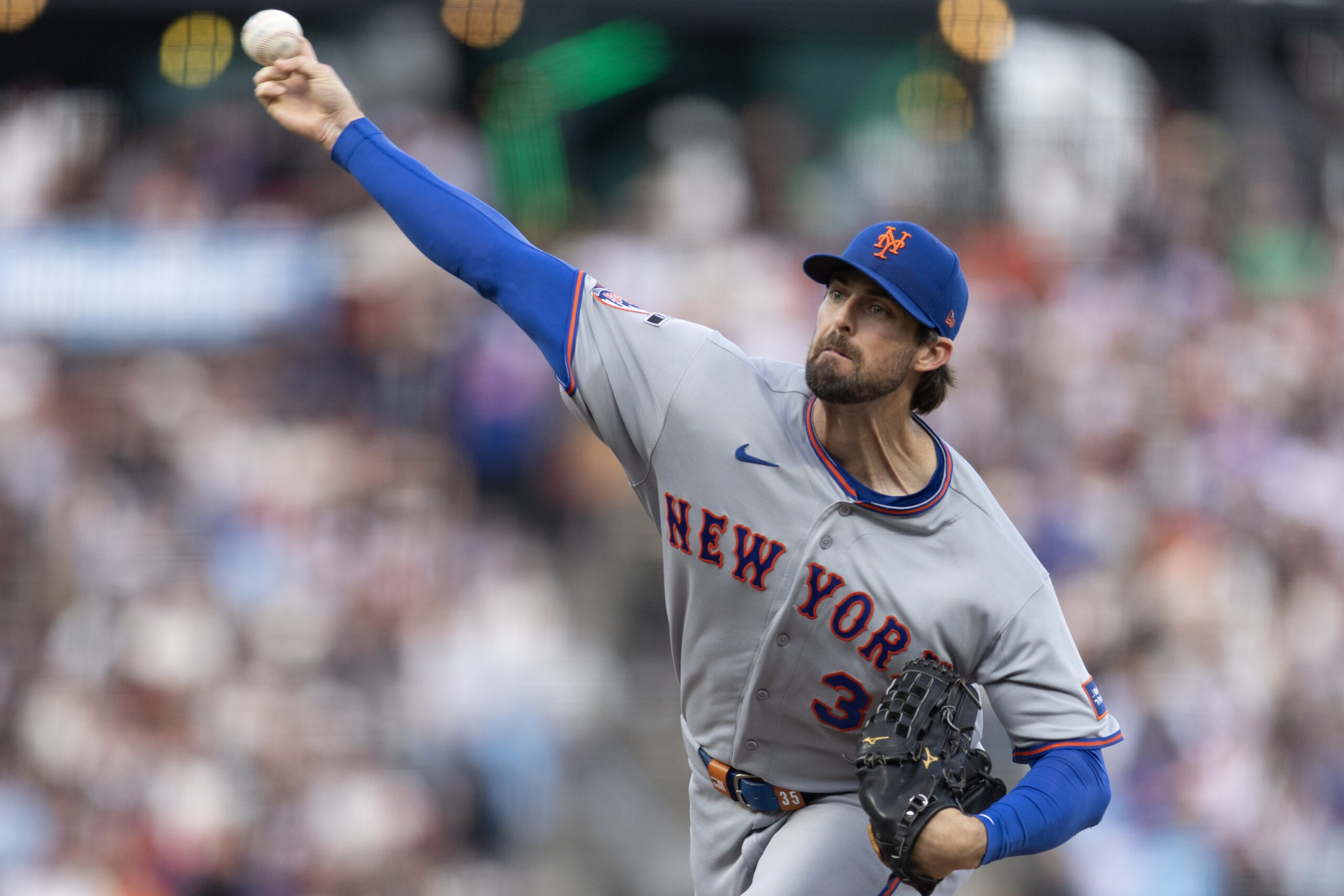
Mets Trade Deadline: Eight-Player Selloff Leaves a Bruised Club
The Mets turned the deadline into a dismantling, shipping out eight big-league pieces and signaling a harder truth: this year was already slipping away.
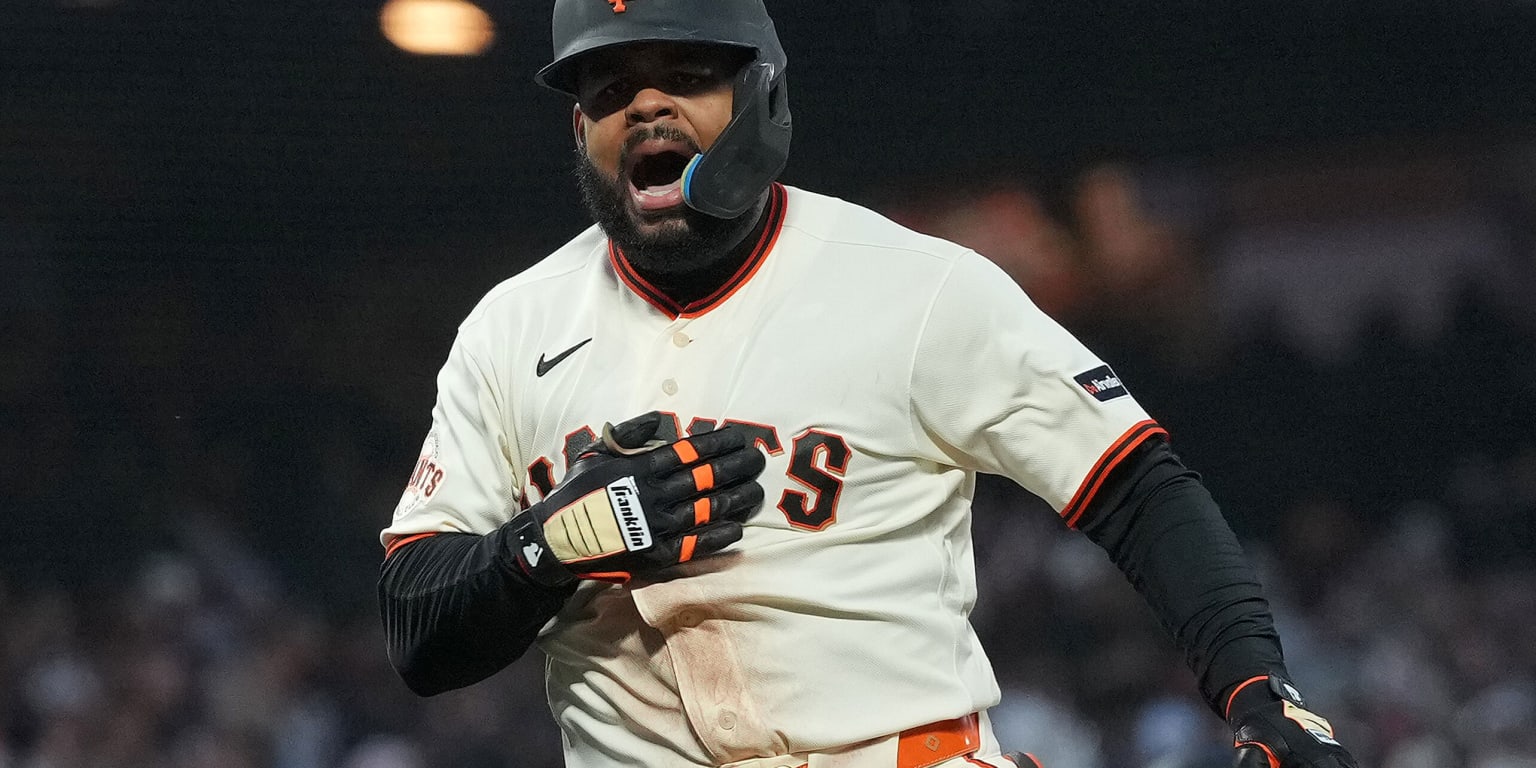
Yankees trade for Heliot Ramos: right-handed bat arrives late
New York finally found the right-handed outfield help it hunted all week, landing Heliot Ramos from San Francisco in a deadline deal. The Yankees spent long enough shopping; now comes the part where t
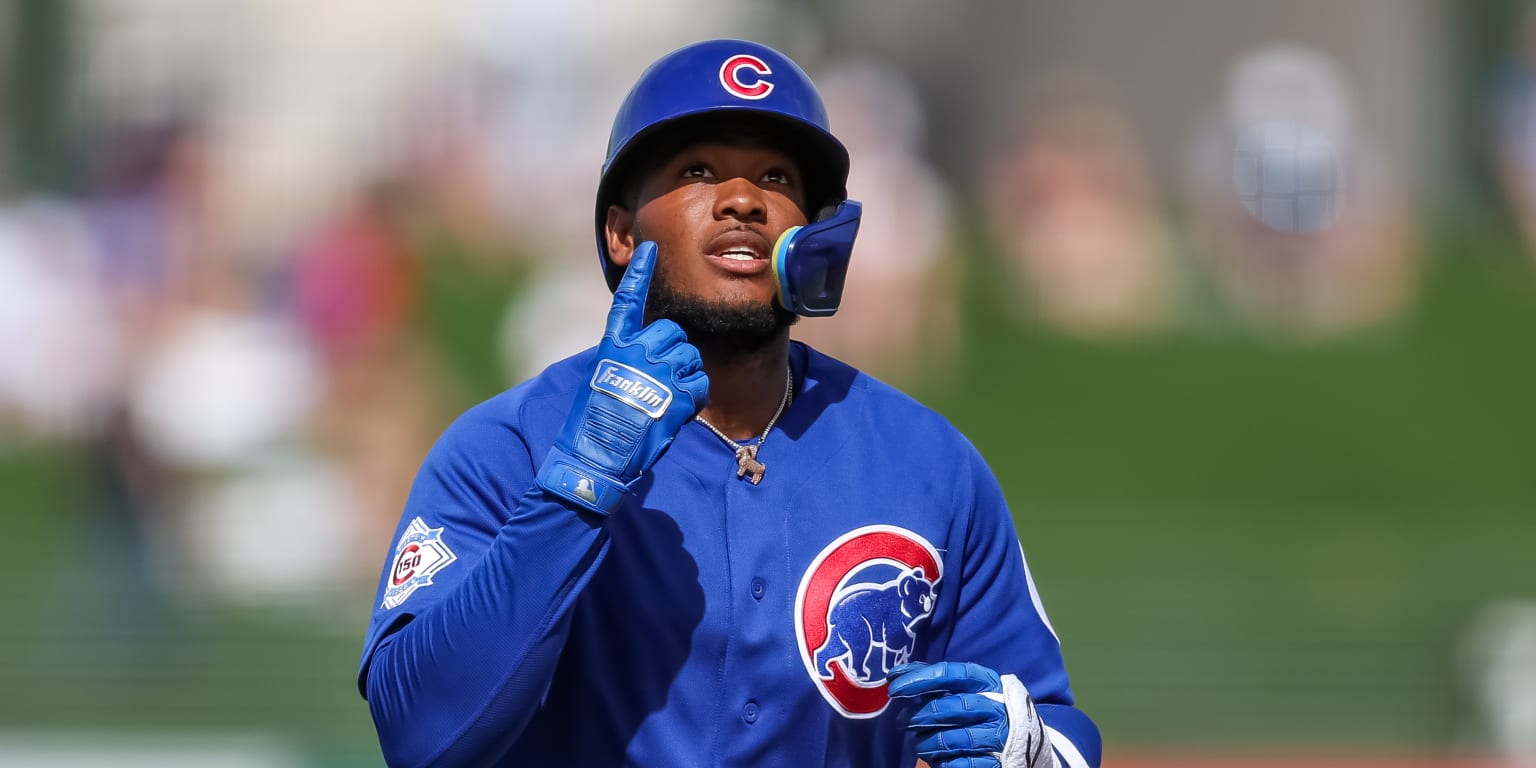
Mets Trade Deadline: Rojas Arrives as Holmes, Taylor Head to Cubs
The Mets found their signature prospect, and the cost was bigger-league certainty. Nolan McLean’s arrival says plenty about where this club is headed.