
Phillies Brooks Raley Trade: Left-Handed Help for the Stretch Run
A small move on paper. The kind that can keep a season from slipping through the floorboards.
 Leo Lupo6 min read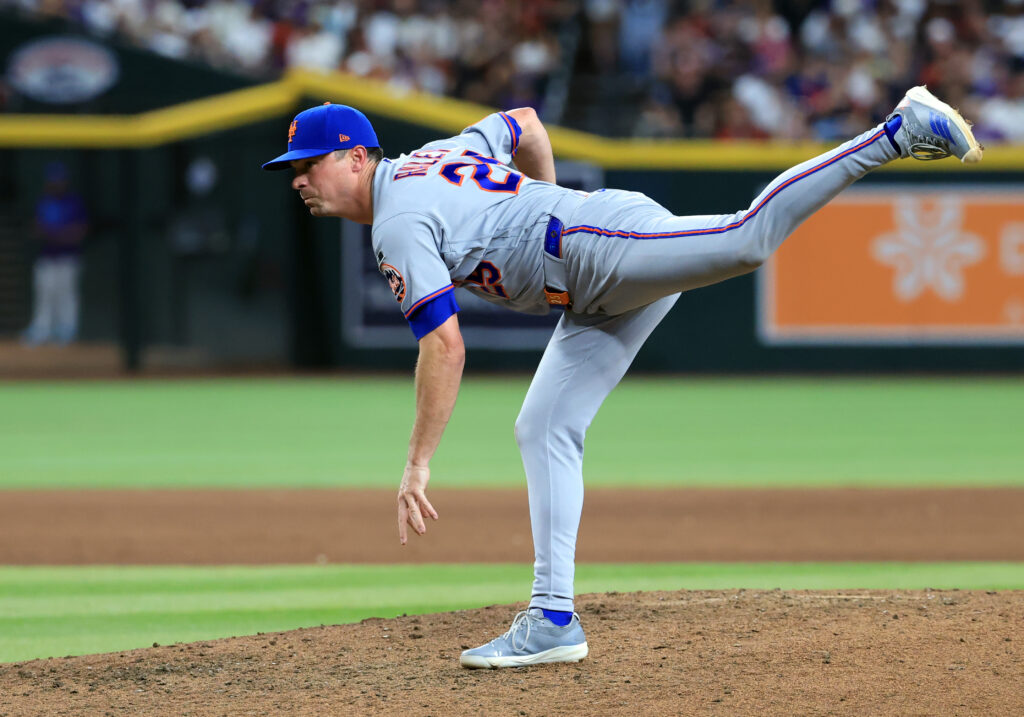
The Phillies didn’t exactly ride a white horse into town here. They went shopping for a left-handed reliever, found one in the division, and paid with prospects. That’s baseball in July: part chess, part junk drawer. The move sends Brooks Raley to Philadelphia and ships Luke Gabrysh and John Spikerman to the Mets, which tells you two things right away. First, the Phillies think this season still has teeth. Second, they’re not waiting around for the bullpen to sort itself out like a teenager’s bedroom.
Raley isn’t some glittering headline name. He doesn’t have the perfume of a star closer or the social-media shine of a top prospect call-up. He’s a left-handed reliever, which in baseball terms means useful, necessary, and usually underappreciated until the wrong matchup blows a lead in October. The Phillies needed one of those arms, and they got one from the New York Mets, which adds a little spice to the deal because division rivals don’t hand over anything unless they think they’re getting something useful back.
Why the Phillies spent prospect capital now
This is the part where front offices like to talk about “fit” and “opportunity,” which is executive-speak for: we had a hole, and it was starting to itch.
Philadelphia’s bullpen has spent enough time under the microscope that the lens is probably cracked. The club has been trying to stack enough dependable innings behind the starters to survive the kind of September and October baseball that chews up middle relief and spits out hearts. A lefty with experience gives a manager more ways to attack the middle of a lineup, especially when the opposing bench starts getting cute with pinch hitters.
Raley’s value isn’t in flash. It’s in leverage. It’s in being the guy who can handle a dangerous left-handed bat in the seventh and not make the park feel like a farewell party. If you’ve followed this game long enough, you know those outs can be worth more than a three-run homer in June. They’re the quiet ones that keep the season from leaking out.
If you want a parallel, look back at the sort of bullpen patchwork contenders have made for decades. These are not sexy moves. They’re the baseball equivalent of replacing a broken lock before hurricane season. Nobody applauds the hardware store run, but everybody notices when the door stays shut.
What Brooks Raley gives a contender
Raley has long lived in that familiar reliever space: not a household name, but the sort of veteran left-hander teams trust because he’s seen enough baseball to know where the bodies are buried. That matters. It matters in the playoffs, where one matchup can decide whether your ace survives the inning or walks off muttering into his glove.
There’s a reason teams keep hunting these pitchers, and there’s a reason they’re never free. Left-handed relief is one of the most taxed little markets in the sport. Somebody always needs one. Somebody always overpays a little. Somebody always says, “We can find another one,” and then spends two weeks trying to backfill the exact same job.
Left-handed relief isn’t a luxury in October. It’s insurance, and insurance is never cheap when the building’s already on fire.
That’s the stakes here. Not a blockbuster. Not a parade down Broad Street. Just a team trying to make sure the eighth inning doesn’t turn into a fire drill every other night. For a club with real expectations, that’s not a side dish. That’s the meal.
The price tag says the Phillies are serious
Gabrysh and Spikerman are the kind of names that make fans squint and ask the front office to show its math. Fair enough. Prospect trades are always easy to love if the kids never turn into anything, and easy to hate if one of them blooms somewhere else. That’s the gamble. Always has been.
But contenders can’t hoard every lottery ticket and still expect to win now. Sometimes you cash in paper for a sure hand. Sometimes you trade tomorrow’s maybe for tonight’s need. The Phillies have been down this road enough to understand the calendar doesn’t care about their farm system’s feelings.
I’ve seen enough of these deals to know the outrage usually arrives before the innings do. Fans hate parting with prospects because hope is cheap until it isn’t. Then the season gets tight, the bullpen starts smoking, and suddenly everybody wants the front office to have a reliever delivered by carrier pigeon. This is the job. Pick your poison.
And let me tell you something else from all those years on the beat: the teams that win often look a little boring in July. They don’t always make the splash. They make the fit. They fix the seam before the jacket splits. I’d rather see a club like Philadelphia spend for a guy it can actually use than sit on its hands waiting for a bigger, shinier toy that never comes.
For more on how contenders keep raiding the middle of the market, the Blue Jays’ Kevin Gausman trade stance shows the other side of the ledger: clubs choosing long views, even when it stings a little now.
What this means for the Mets and the division race
For the Mets, dealing a useful lefty inside the division says they were willing to listen, which is front-office code for having a price and sticking to it. Maybe they liked the return. Maybe they liked clearing a lane. Maybe they just decided the standings don’t care about your sentimental attachment to a bullpen arm.
Division trades always carry a little extra vinegar. You’re not just improving your own club; you’re making sure a direct rival has to keep explaining itself in the papers and on the radio. That part never gets old. Philadelphia and New York have spent decades making each other miserable in different uniforms, and this one fits the old script nicely.
If Raley does what the Phillies think he can do, the move won’t be remembered for the names traded away. It’ll be remembered for the outs he gets when the game tightens and the crowd gets mean. That’s the job. That’s the point. You don’t trade for relief help because it makes a tidy press conference. You trade for it because one night in late September, it keeps the season from turning into a very expensive regret.
The next few weeks will show whether this was a smart patch or the first stitch in a larger bullpen overhaul. For now, Philadelphia added the kind of arm contenders usually end up chasing when it’s too late. Better late than never. Usually.
The bullpen just got a little less flimsy. In this business, that counts for plenty.
More from Straight From The Bench
Comments
Join the conversation — sign in to leave a comment.
Sign in to commentRelated Stories
Mets Trade Deadline: Eight-Player Selloff Leaves a Bruised Club
The Mets turned the deadline into a dismantling, shipping out eight big-league pieces and signaling a harder truth: this year was already slipping away.
Yankees trade for Heliot Ramos: right-handed bat arrives late
New York finally found the right-handed outfield help it hunted all week, landing Heliot Ramos from San Francisco in a deadline deal. The Yankees spent long enough shopping; now comes the part where t
Mets Trade Deadline: Rojas Arrives as Holmes, Taylor Head to Cubs
The Mets found their signature prospect, and the cost was bigger-league certainty. Nolan McLean’s arrival says plenty about where this club is headed.