
MLB trade deadline 2026: Players most likely to be dealt Monday
The market has already drawn blood. Now comes the part where contenders show their nerve.
 Beatrice Kensington6 min read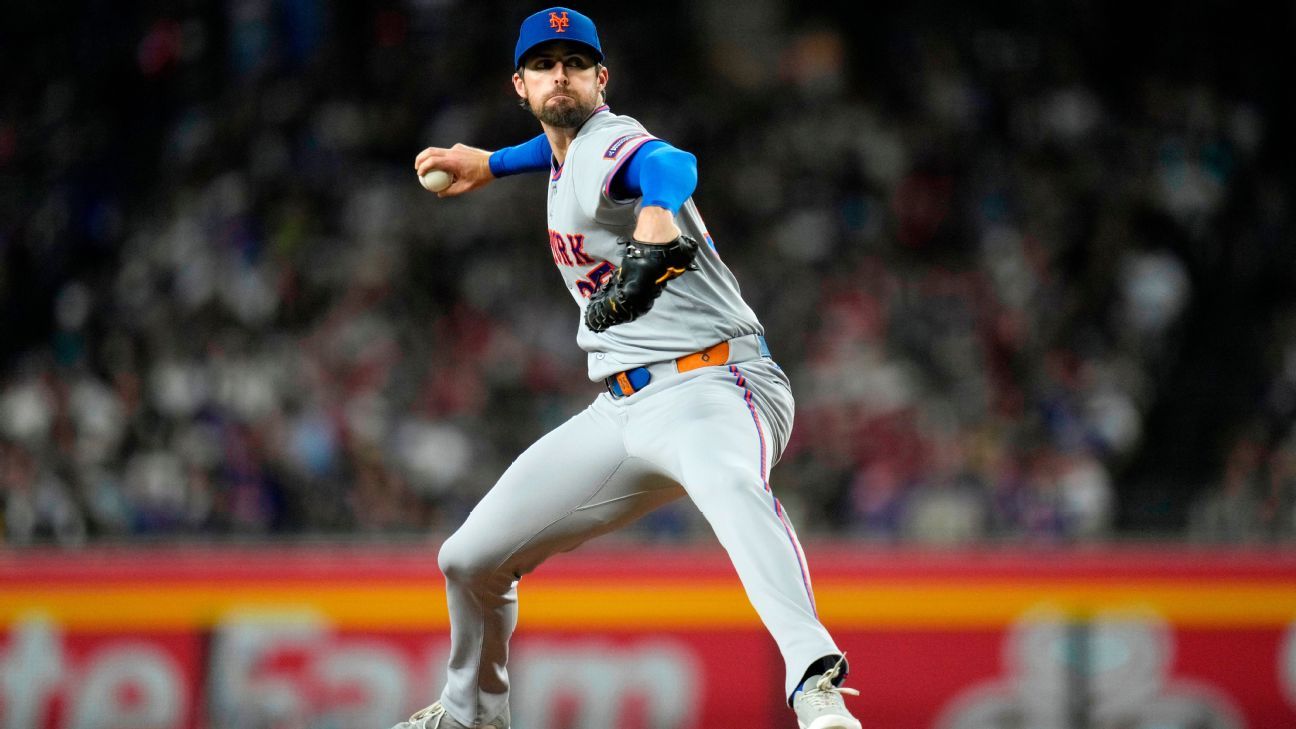
The clock, and the smell of a market gone sharp
By the time the last hour of MLB trade deadline day arrives, the air around a contender’s front office tends to turn metallic. Phones ring a little more urgently. Scouting reports get shorter. The idealism of spring has long since been ground down by standings columns and rotation injuries, and the teams still standing begin to behave like people who know winter is coming.
That is the atmosphere now, with Tarik Skubal already off the board and headed to the Los Angeles Dodgers, a move that does more than stun the room. It resets the price of everything else. Once the best player available is gone, every other seller is emboldened and every buyer is forced to decide whether it wants to chase the next tier or settle for papering over the cracks. That is why this deadline does not feel like a final flurry. It feels like a verdict.
The rich do not merely shop at the deadline; they shape it.
The Mets pieces will draw more heat than the names alone suggest
The mention of “a pair of Mets” in deadline chatter tells you plenty about how front offices think. New York never operates in a vacuum. Even fringe pieces on the New York Mets carry the gravity of the borough, the pressure of expectation, the suspicion that every move must somehow speak to a larger plan. A player attached to that uniform is rarely judged only by his numbers. He is judged by what he might mean in the next city, in the next October, in the next front-office report card.
That makes the Mets’ movable pieces especially interesting. Teams looking for depth do not just see a bat, a glove, or a useful arm; they see a bridge. A player who can be plugged into a lineup without forcing a domino collapse elsewhere. In a deadline season like this one, those are the pieces that move first, because they are easier for executives to justify and easier for owners to approve. Nobody gets applause for restraint once the waiver wire stops offering comfort.
There is also a cruel symmetry here. Clubs in the thick of the postseason race often covet players from teams hovering around the middle because those clubs are forced into a very old baseball bargain: chase the future, or squeeze one more useful month out of the present. The trade deadline is where that bargain becomes visible in public.
Impact starters still rule the room
Even now, with one ace already gone, the conversation still bends back toward starting pitching. It always does. Relief help matters, and positional upgrades matter, but a contender’s rotation remains the cleanest path through October’s small sample chaos. A frontline starter changes the architecture of a series; a useful middle reliever merely patches the roof.
That is why the most interesting names on the board are not always the loudest. Impact starters create a different kind of market pressure, the sort that can force an aggressive team to pay in prospects it had imagined keeping for later. The best fits are usually the clubs with two ingredients: a credible shot at the pennant and a farm system deep enough to survive the bite. The deadline punishes the half-committed.
If this does not feel like a year for timid moves, that is because the standings have made it impossible. The teams still gathering around the table know what one extra starter can do to the psychology of a clubhouse. You stop managing for survival and start managing for October.
What deadline buyers are really purchasing
The public talks about trades as if they are transactions in talent, but that is only the shell of it. What clubs buy in late July is not just a player. They buy relief for a manager’s bullpen charts. They buy a shorter conversation with the eighth inning. They buy the chance to keep one hitter out of the opponent’s best reliever. They buy credibility with a fan base that has watched enough summers drift away on “almost.”
That is why even the less glamorous names can matter so much. A well-placed addition can change the way a roster breathes. A left-handed arm, for instance, can spare a bullpen from overuse and preserve a pennant race that might otherwise fray in August. We have already seen teams take that logic seriously in other moves, including the Phillies’ Brooks Raley addition and the White Sox’s bullpen reinforcement with Huascar Brazobán, reminders that the deadline is often won not by the flashiest name but by the shrewdest fit.
And fit is the word that decides all of this. A contender that overpays for the wrong profile ends up applauding itself in August and explaining itself in September. A seller that holds too long loses leverage by the hour. Baseball’s deadline is not a poker game so much as a pressure chamber. The teams that understand the temperature usually come away with something useful.
The part I keep circling back to
I have long believed that deadlines reveal a club’s moral imagination. Not in some grand, theatrical sense, but in the small choices that show whether a front office understands the human cost of its own ambitions. A general manager can talk endlessly about control years and future flexibility, but those are abstractions until a player is told his zip code is changing and his season, for better or worse, has been drafted into someone else’s urgency.
Baseball has always romanticized patience, yet deadlines expose how little patience exists once October beckons. I think that is why Skubal’s early move lands so hard. It does not simply shift the competitive map; it tells every other contender that hesitation may be the most expensive asset on the market. History is littered with clubs that waited for the perfect deal and discovered, too late, that perfect and available rarely share a zip code.
There is also a deeper pattern here, one that fans of struggling teams know by heart. The rich get richer not because they are omniscient, but because they can absorb mistakes. The middle class of baseball has to hit its window exactly. Miss it by a day, and the season hardens into regret.
Expect the last hour to belong to urgency, not elegance
The final stretch before the 6 p.m. ET deadline will almost certainly belong to the clubs that can move fastest and think clearest. Some of the names being floated will end up elsewhere by sunset. Others will remain in place, their value inflated by rumor and the marketplace’s own appetite for drama. Either way, the message is already plain: this deadline has a shape, and it favors decisiveness over romance.
The teams that act now will live with the consequences all summer, and maybe all autumn. The ones that blink will spend the next two months explaining why they mistook caution for wisdom.
The phones will keep ringing. The sellers will keep asking. And somebody, somewhere, will pay too much for the right reason.
More from Straight From The Bench
Comments
Join the conversation — sign in to leave a comment.
Sign in to commentRelated Stories
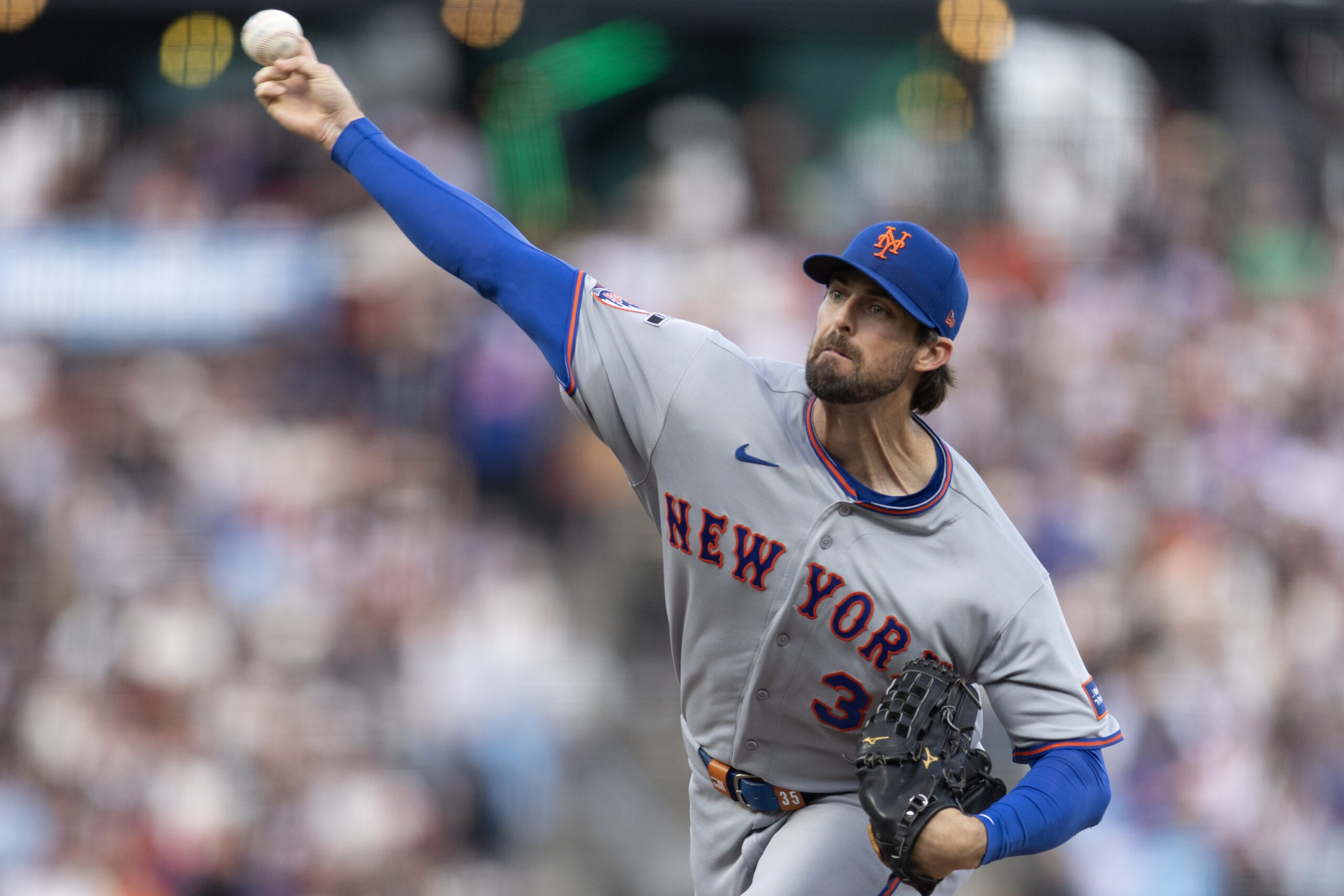
Mets Trade Deadline: Eight-Player Selloff Leaves a Bruised Club
The Mets turned the deadline into a dismantling, shipping out eight big-league pieces and signaling a harder truth: this year was already slipping away.
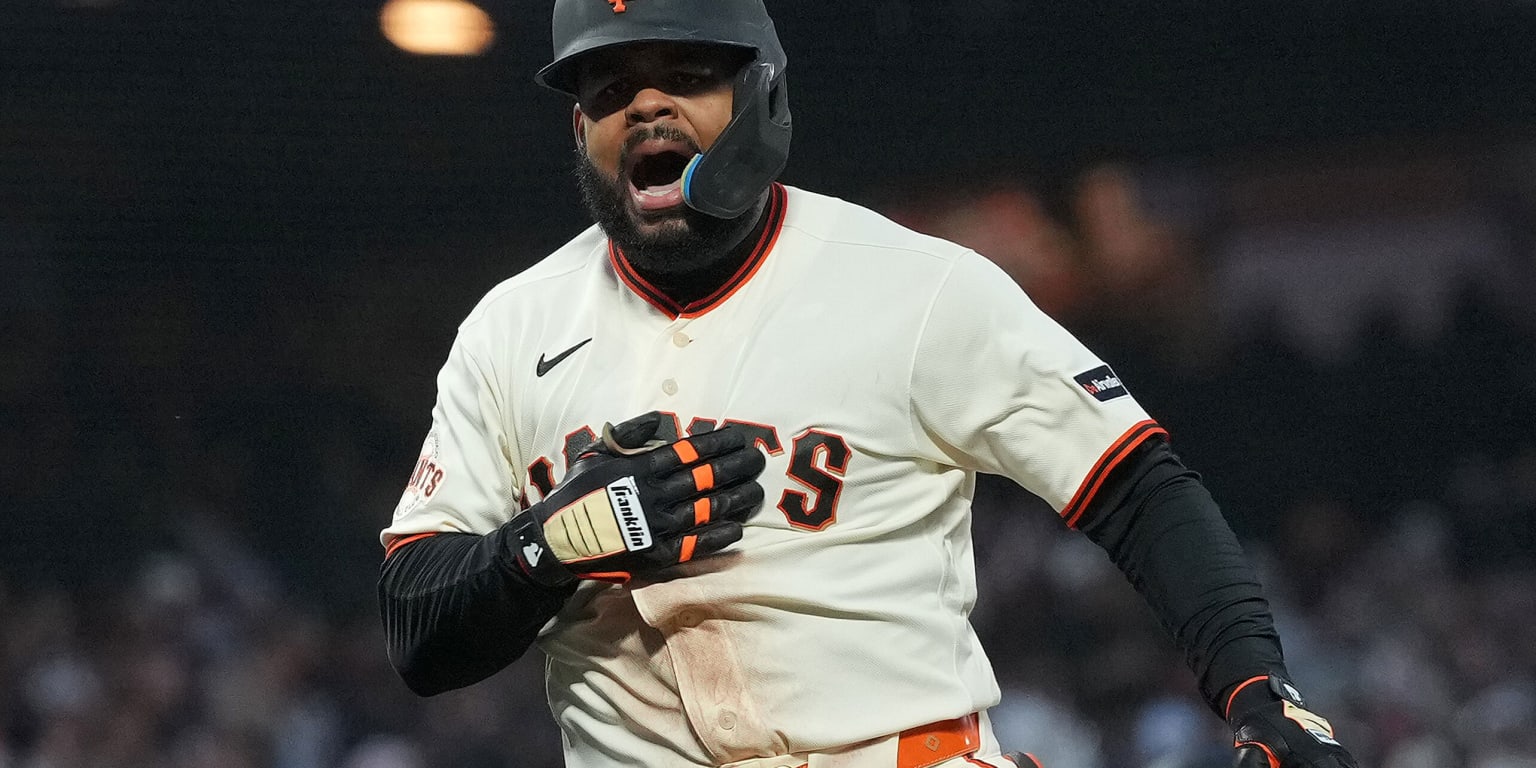
Yankees trade for Heliot Ramos: right-handed bat arrives late
New York finally found the right-handed outfield help it hunted all week, landing Heliot Ramos from San Francisco in a deadline deal. The Yankees spent long enough shopping; now comes the part where t
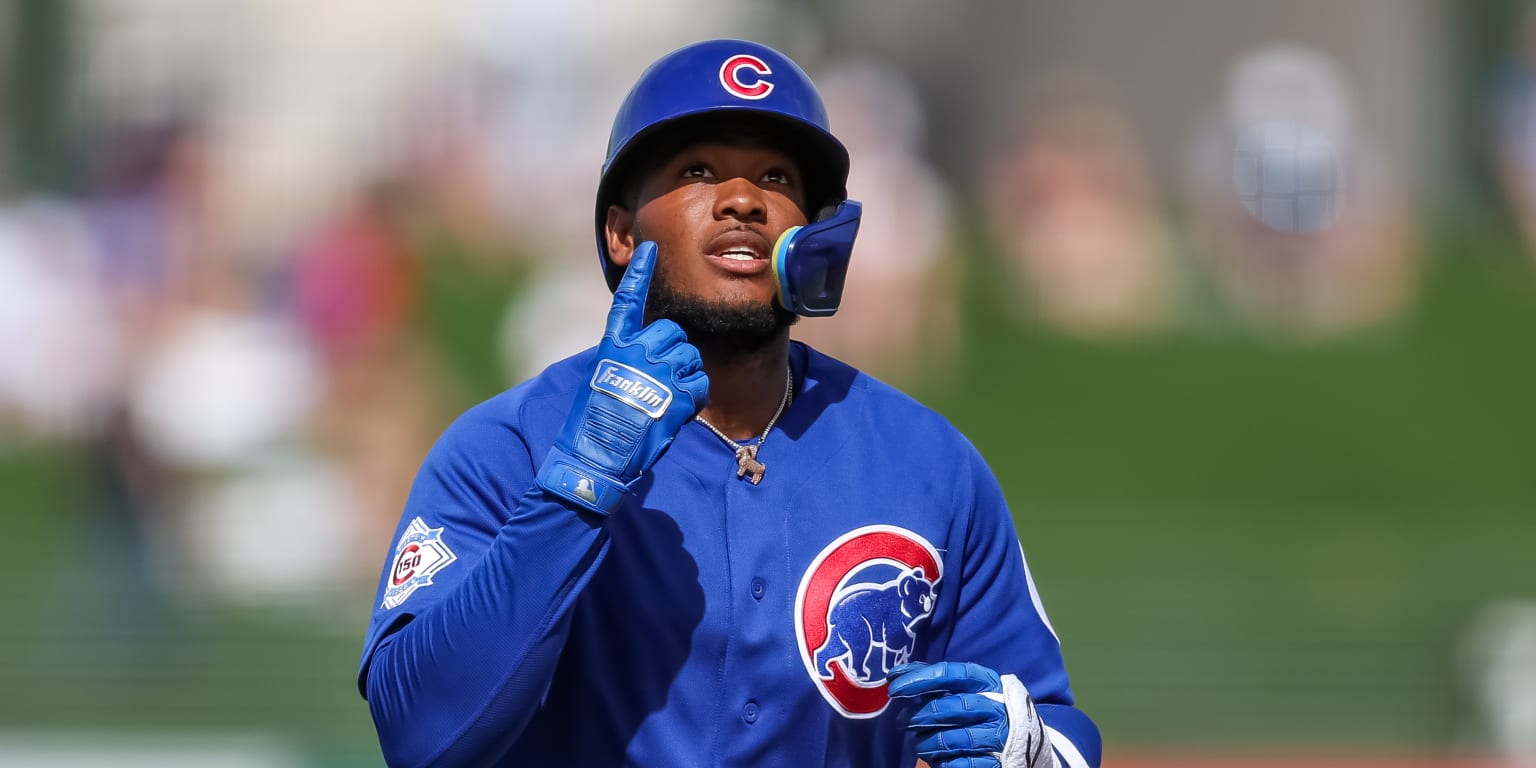
Mets Trade Deadline: Rojas Arrives as Holmes, Taylor Head to Cubs
The Mets found their signature prospect, and the cost was bigger-league certainty. Nolan McLean’s arrival says plenty about where this club is headed.