
Houston Astros front-office shakeup: why Jim Crane moved now
A .500 team with a contender's baggage finally forced the switch.
 Zane Miller6 min read
The Astros didn’t wake up Monday and suddenly discover their identity was broken. They’ve been leaking confidence for a while. What changed was the timing: a first-place tie that looked a lot better on the standings page than it felt in the room, and a homestand ugly enough to make ownership stop pretending this was just a rough patch.
This is the part of the baseball calendar where front offices start grading the gap between the badge on the jersey and the team actually taking the field. Houston had the brand, the history, the October memory bank. What it didn’t have, by the look of it, was the daily force that usually keeps contenders from drifting into the middle. That’s why the shakeup happened now. Not later. Not after the math got even uglier.
The standings said one thing. The vibe said another.
Being tied for first with a sub-.500 record is the kind of split-screen that only baseball can produce. It means you’re technically alive while looking disturbingly ordinary. The Astros have lived on the edge of that contradiction all season, and the brutal homestand finally shoved the whole thing into the light.
That matters because ownership doesn’t just react to losses. It reacts to tone. It reacts to how a team loses, how the clubhouse carries it, how little room there seems to be for a turnaround. A contender can survive a bad week if the underlying shape still looks right. What it cannot survive, for long, is the feeling that the internal fix is not coming from the people paid to deliver it.
Houston has been the gold standard for roster continuity and front-office confidence for years. This move says that confidence had an expiration date.
The reality in a division race like this is brutal: if you’re not separating from the pack, you’re already paying a tax. Every loss starts counting twice. Every marginal decision gets magnified. And the Astros, even with all that institutional muscle, were starting to look like a club whose margins had vanished.
Jim Crane rarely moves without a message
This is not a franchise that fires off emotional paperwork for fun. Owner Jim Crane has spent years building a reputation as a hands-on operator who expects results and doesn’t need much convincing when the baseball part stops matching the brand value. If there’s a front-office shakeup, it usually means the people upstairs believe the current path is wasting a season they still think can matter.
That’s the tension here. Houston wasn’t buried. Houston wasn’t waving the white flag. But it also wasn’t acting like a team that could afford to wait for the market to fix itself. In a tight race, standing pat can be its own admission.
This is where the executive layer starts thinking like a deadline buyer even before the deadline arrives. Do you trust the existing infrastructure to squeeze out the next five percent? Do you trust the scouting, the development, the daily messaging? Or do you decide the club needs a different voice because the roster has already told you what it is?
Crane’s answer was pretty clear.
Contenders don’t usually get this kind of attention while still breathing in the race. That’s exactly why Houston had to do it.
And that’s the sting for Dana Brown. He knew the evaluation clock was always there. Front-office jobs in baseball are weird like that: the actual firing often comes after the story has already been written by the roster. You can survive imperfect results if the team looks pointed in the right direction. If it doesn’t, the owner eventually starts moving chairs.
Dana Brown didn’t lose the season; the season lost its patience
Brown’s situation is a familiar one in MLB. General managers almost never get judged on one transaction or one month. They get judged on whether the club feels aligned from top to bottom. When that alignment breaks, the public explanation is usually tidy. The private version is less elegant: the team underwhelmed, the schedule got mean, and the owner decided he couldn’t wait for a better narrative.
If you want the real baseball lesson here, it’s this: a strong franchise can become a fragile one fast when the roster is good enough to stay relevant but not good enough to calm anyone down. That’s the trap Houston stepped into. The Astros are still a name that forces scouting departments to pay attention, still a team with enough talent to make rivals nervous, and still a club with enough American League pedigree to matter in the market.
But pedigree doesn’t protect you from the daily grind. It just buys a little extra time.
I’ve covered enough of these to know the pattern. Ownership doesn’t usually make a midstream adjustment because of one bad homestand. It happens when that homestand confirms the suspicion that the team is not self-correcting. That is the real danger for Houston, and it’s bigger than any one executive. It’s the possibility that the roster itself has hit a ceiling the front office couldn’t talk its way around.
The comparison that keeps coming to mind is not a dramatic collapse. It’s a slow loss of inevitability. That’s what separates the truly elite organizations from the merely expensive ones. The Houston Astros used to make opponents feel like the game was already bending their way by the fourth inning. This season, too often, they’ve looked like they’re waiting for the same old magic to show up on schedule.
What this means for the roster and the market
Now the pressure moves downhill, fast. Players never say it out loud, but they know when the front office has been put on notice. The next clubhouse message is no longer about patience. It’s about urgency. Spots get evaluated harder. Slumps feel heavier. Every marginal bat, every shaky bullpen night, every defensive mistake gets filed under “why changes were needed.”
The market will also read this move the right way. Houston isn’t behaving like a team preparing to drift. It’s behaving like a team trying to preserve whatever shot it still has at playing into October. That can influence how the club approaches the stretch run, from internal promotions to possible deadline maneuvering. Once ownership makes a statement, the baseball ops department usually feels pressure to answer with a real one.
There’s also a broader franchise truth here. The Astros have spent years turning consistency into a competitive edge. But consistency cuts both ways. If the structure gets stale, if the performance slips just enough, the same machine that once looked ruthlessly efficient can start feeling slow to adapt.
For fans, that’s the uncomfortable part. A front-office shakeup is not a reset button. It’s a warning light.
The next few weeks will tell the real story
Houston still has the kind of roster that can turn a gloomy conversation into a short one if the bats wake up and the pitching stabilizes. But nobody in that building gets to hide behind the idea that things will just sort themselves out. The move made that impossible.
The Astros are still in the race. They’re just on notice now.
And in this sport, that usually means the next series matters a whole lot more than the last one.
More from Straight From The Bench
Comments
Join the conversation — sign in to leave a comment.
Sign in to commentRelated Stories
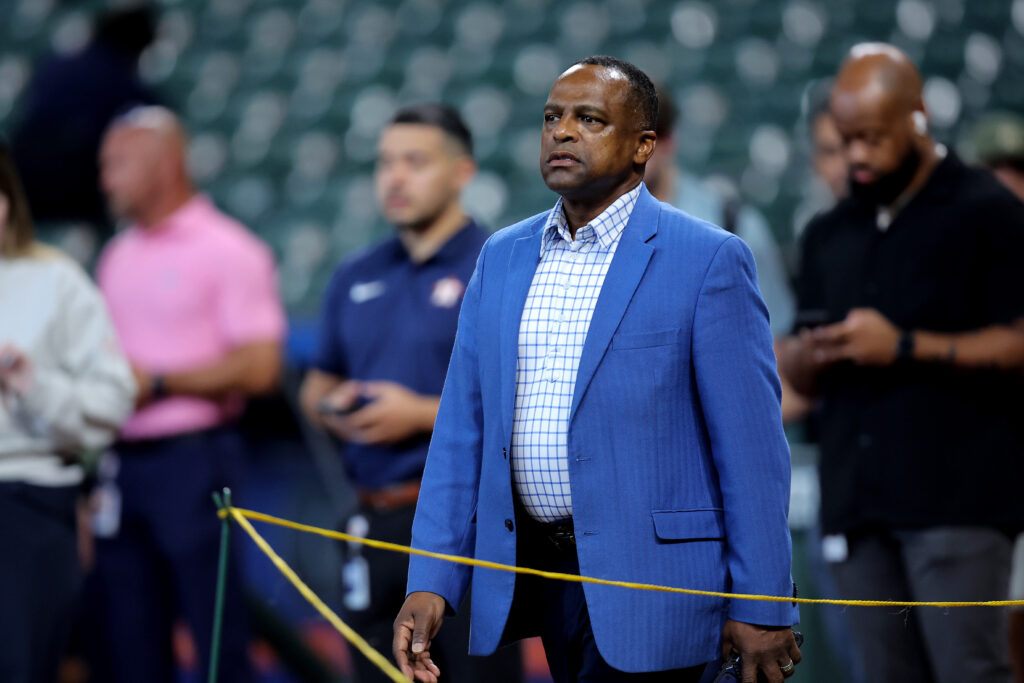
Astros GM Dana Brown Part Ways: What Houston’s Reset Means
Houston has moved on from Dana Brown, and the decision lands like a soft door closing on a harder truth: the Astros are no longer building from a place of certainty.
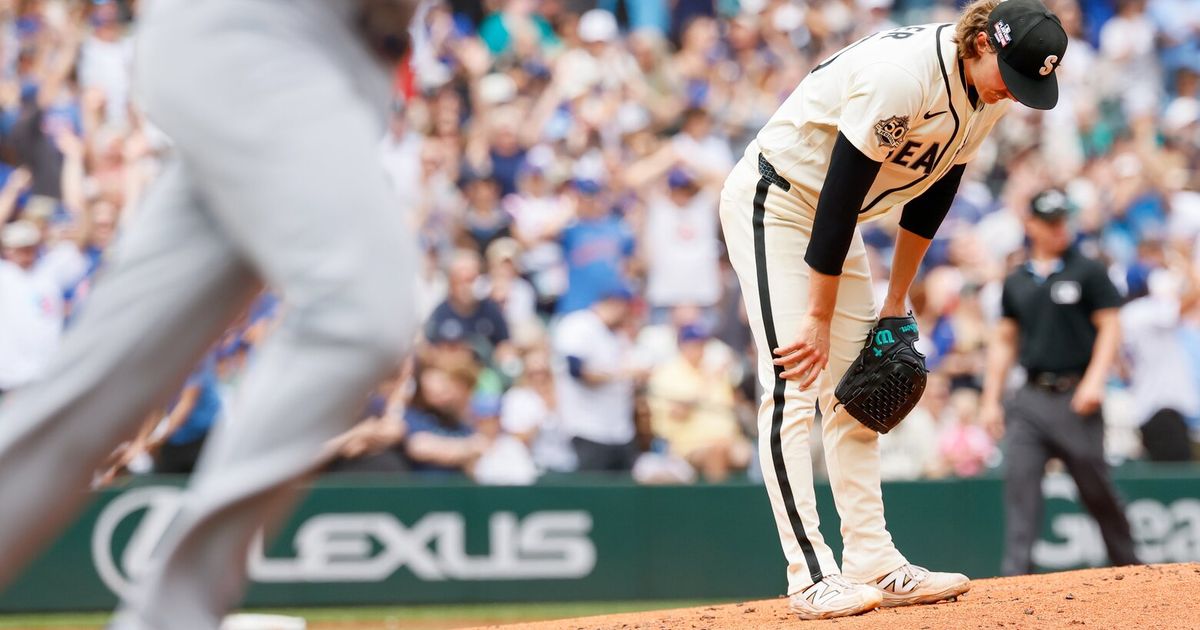
Mariners Blowout Loss: Seattle’s Rotation Worry Deepens After Cubs Rout
Seattle has been flattened twice in short order, and Bryce Miller’s health now sits at the center of the anxiety. The standings can wait; the rotation cannot.

Yankees Place Ryan Weathers On 15-Day IL: Bellinger Returns
Cody Bellinger is back where the Yankees need him, but Ryan Weathers landing on the injured list keeps the rotation ledger messy. One step forward, one sore elbow away from trouble.