
Iowa Football NIL Imbalance Warning: Ferentz Sounds the Alarm
The old coach sees a lopsided sport getting lopsided fast.
 Leo Lupo6 min read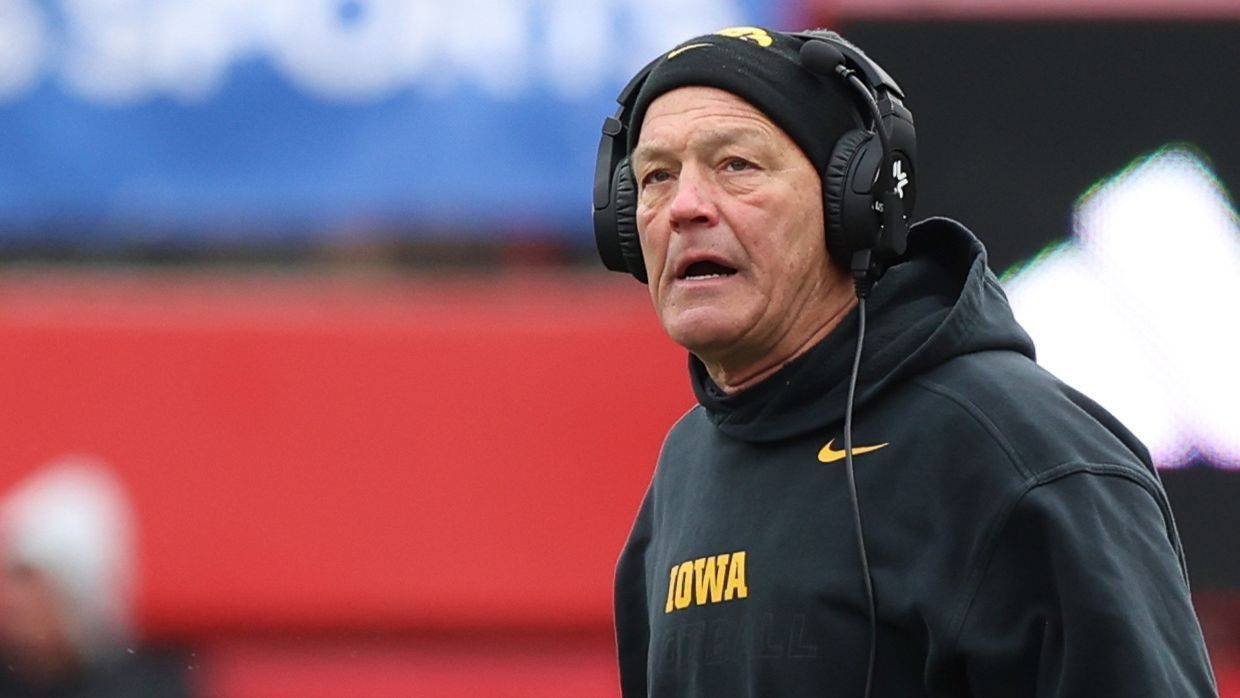
CHICAGO — Kirk Ferentz has spent so long in the Iowa Hawkeyes chair he ought to have a plaque on the backrest. He’s seen leather helmets turn into satellites, bowl games turn into television properties, and now he’s watching college football split into haves, have-mores, and everybody else trying to keep the lights on. His warning this week about a growing imbalance in the sport wasn’t the sour mutterings of a cranky lifer. It was the voice of a coach who knows the machine from the inside and can tell when the gears are grinding.
The headline here is simple enough. The money is concentrating at the top. NIL, revenue-sharing, donor arms races, roster retention — all of it is pushing the biggest programs further away from the middle class of college football. Ferentz didn’t have to shout to make the point. The gap is starting to look less like competition and more like a toll road.
Ferentz isn’t complaining about change. He’s warning about the bill
There’s a big difference between a coach grumbling because the game got modern and a coach saying the economics are starting to warp the sport. Ferentz has never been romantic about staying frozen in amber. He’s adapted plenty. Iowa has survived in a neighborhood where flashier outfits usually hog the headlines.
But this one’s different. NIL and player compensation were supposed to bring some order to the chaos. Instead, they’ve layered a new reality on top of an already cutthroat recruiting fight. The rich programs can keep paying, keep upgrading, keep stockpiling depth, and keep cleaning out the transfer market when they need a plug-in starter or a luxury piece. Everybody else? They’re left to hunt value like it’s a Saturday morning yard sale.
That is where Ferentz’s warning lands. Not in the morality play. In the roster math.
If you are a school that lives on development, patience, and a few sharp evaluations, you can still win. Iowa has made a living at it. The Big Ten has never been a charity, and the NCAA Division I FBS has always had plenty of inequality baked in. But the floor is rising for the giants while the ceiling gets lower for everyone else. That’s not a tweak. That’s structural.
The middle class of college football is getting squeezed
This is the part folks in expensive suits like to skate past. They talk about “competitive balance” as if it’s a slogan on a banner. Out on the field, it’s a depth chart problem.
A top program can miss on a recruit and recover. It can lose a veteran and buy another one through the portal. It can survive a bad month in recruiting because it has five-star pipeline privilege and enough NIL juice to keep the machine humming. A steadier, leaner program can lose one or two core pieces and spend the whole season patching the roof with duct tape and prayers.
That’s why Ferentz’s comments hit harder than a routine media-day lecture. He’s talking about the people in the middle — the programs that aren’t big enough to print money but aren’t bad enough to rebuild from scratch. Those schools are getting pinched from both sides. If they develop a player well, somebody richer comes sniffing. If they try to enter the bidding war, they burn through resources that ought to be going to facilities, staffing, and the rest of the long haul.
We’ve already seen how that squeeze changes outcomes. Twins Trade Deadline: Minnesota shifting from seller to buyer had the smell of a front office trying to keep up with a moving market; college football is doing the same thing, only with teenagers, boosters, and scholarship math.
Ferentz isn’t mourning the past. He’s telling you the sport is building a two-track highway and calling it competition.
Iowa’s own survival story makes the warning sting
Here’s where the old-school part of Ferentz matters. Iowa has not been running a Ferrari operation. It’s been a diesel truck. Heavy. Dependable. Not much for vanity. The Hawkeyes have made their bones on toughness, development, and squeezing a little extra out of a lot of “good enough” athletes. That model still has life in it. But it depends on stability, and college football hasn’t exactly been a monastery of stability lately.
What Ferentz is really saying is that the traditional developmental school has less margin for error than ever before. The transfer portal can help, sure. So can smart retention. But if the wealthiest programs can buy away your best work before it matures, your entire business model starts to wobble.
I’ve covered enough seasons to know this: when the old guard starts talking about imbalance, it usually means the imbalance is already here and the rest of the sport is just late to the meeting. Back in the wool-jersey days, there were still hard edges to the competition because the rules, crude as they were, still boxed people in a little tighter. Now? The box is bigger for some and barely there for others. You don’t need to be a prophet to see where that leads. You need a roster spreadsheet and a pulse.
And I’ll tell you something else. Coaches like Ferentz don’t spend their capital on public hand-wringing unless they think the next phase is going to be worse than the last. That’s the tell. Not panic. Not theatrical misery. Just a veteran looking down the road and seeing a sport whose economics are drifting away from the notion that October still belongs to preparation, not just payroll.
What to watch now as the arms race keeps climbing
The pressure point won’t be one speech or one media day session. It’ll be the next round of roster moves, the next wave of donor expectations, the next school deciding whether it can keep up or has to get clever. That’s where this story lives.
Watch the schools that sit one rung below the giants. Watch which programs can keep veteran players from wandering. Watch who starts talking more about “culture” and “development” — that usually means the checkbook isn’t keeping pace. And watch the conferences, because once the gap gets wide enough, the sport stops pretending everybody is playing the same game.
Ferentz has been around long enough to know reform talk comes easy and equal footing is mostly a sales pitch. Still, he’s right to sound the alarm. College football can handle ambition. It can even handle greed, because it always has. What it can’t handle forever is a system where a handful of schools can stockpile advantages and call that parity.
The sport keeps telling us it’s evolving. Fine. But if the rich get richer and the rest get told to innovate their way out of a hole, don’t pretend that’s competition. That’s a rigged staircase.
The season will kick off, the rankings will shuffle, and somebody will sell us the usual fairy tale about anybody beating anybody. Ferentz just put a thumbtack in that balloon. We’d all do well to listen before it lands on our shoes.
More from Straight From The Bench
Comments
Join the conversation — sign in to leave a comment.
Sign in to commentRelated Stories
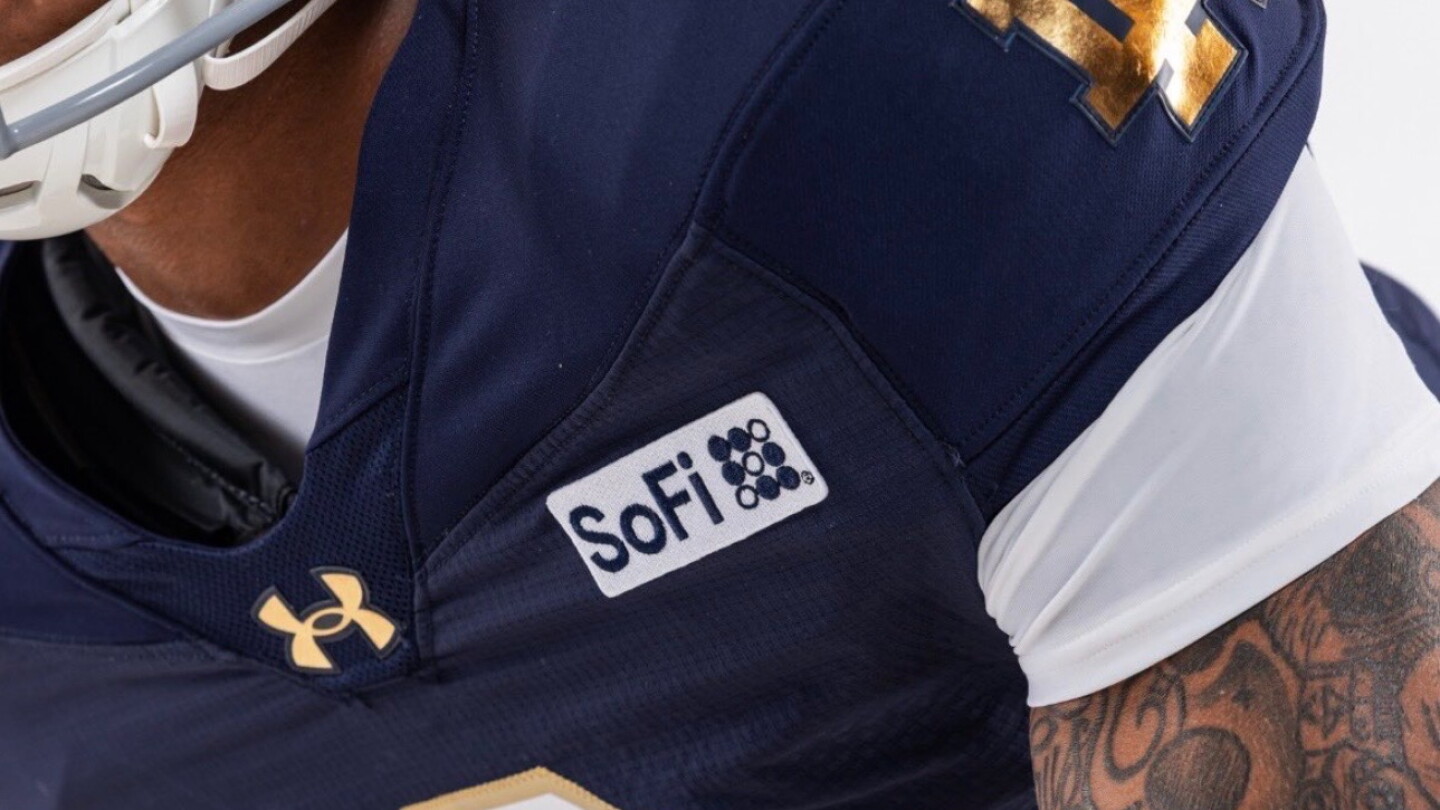
Notre Dame jersey patch deal: why the Irish just won big
Notre Dame’s latest patch deal is more than a sponsor swap. It’s a signal that premium college brands can still dictate the market.
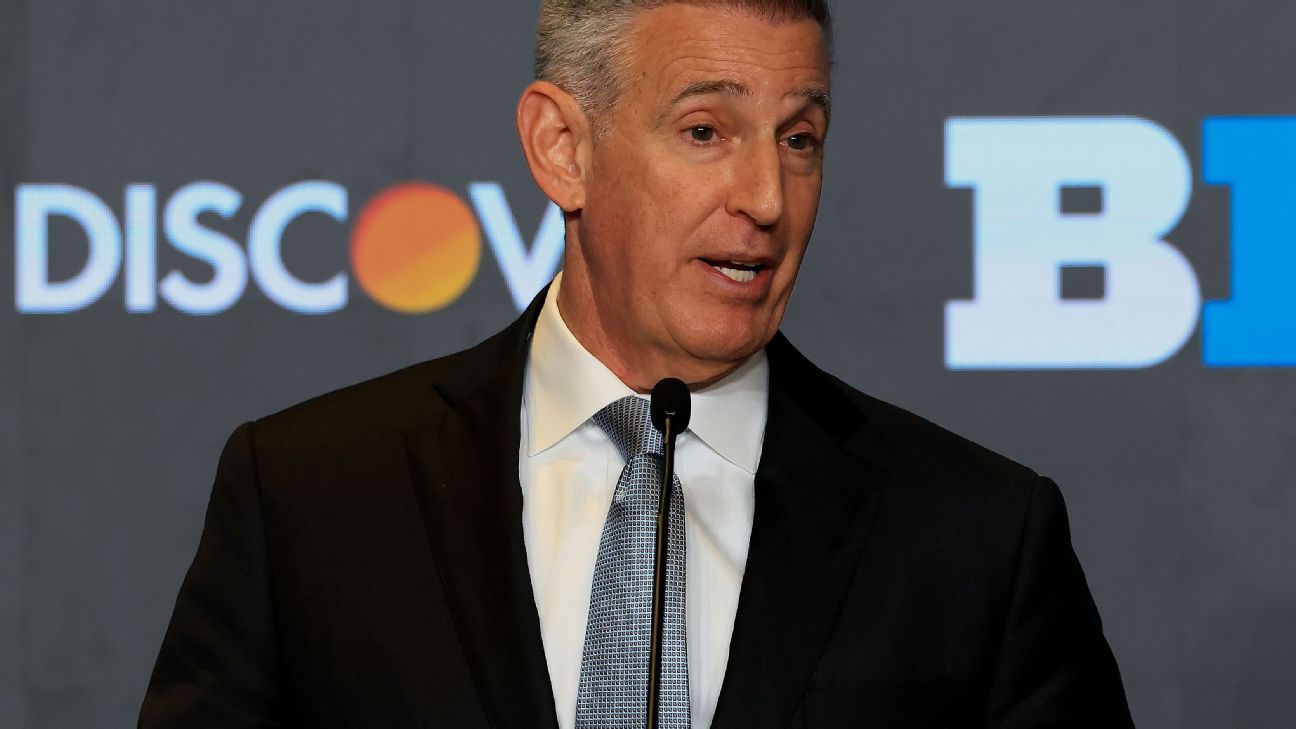
Big Ten 24-team CFP: Tony Petitti pushes 2027 expansion
Tony Petitti is not backing off. The Big Ten commissioner again pushed for a 24-team College Football Playoff by 2027, and the politics around the sport just got hotter.
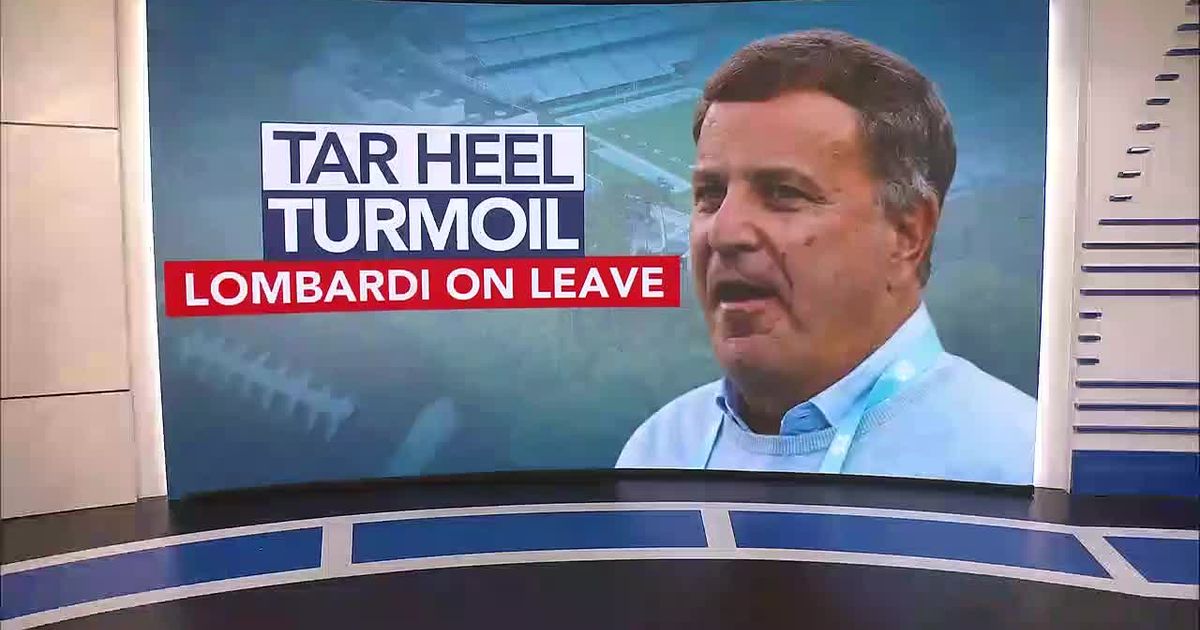
UNC Football GM Michael Lombardi Placed on Leave
Michael Lombardi’s sudden paid leave at UNC is more than an office move. It asks what kind of football program North Carolina wants to be — and who pays when the machine stalls.