
Kade Anderson MLB Debut: Mariners Prospect Relishes Special Day
A commemorative baseball, a major league mound, and the first page of a long Seattle story.
 Beatrice Kensington6 min read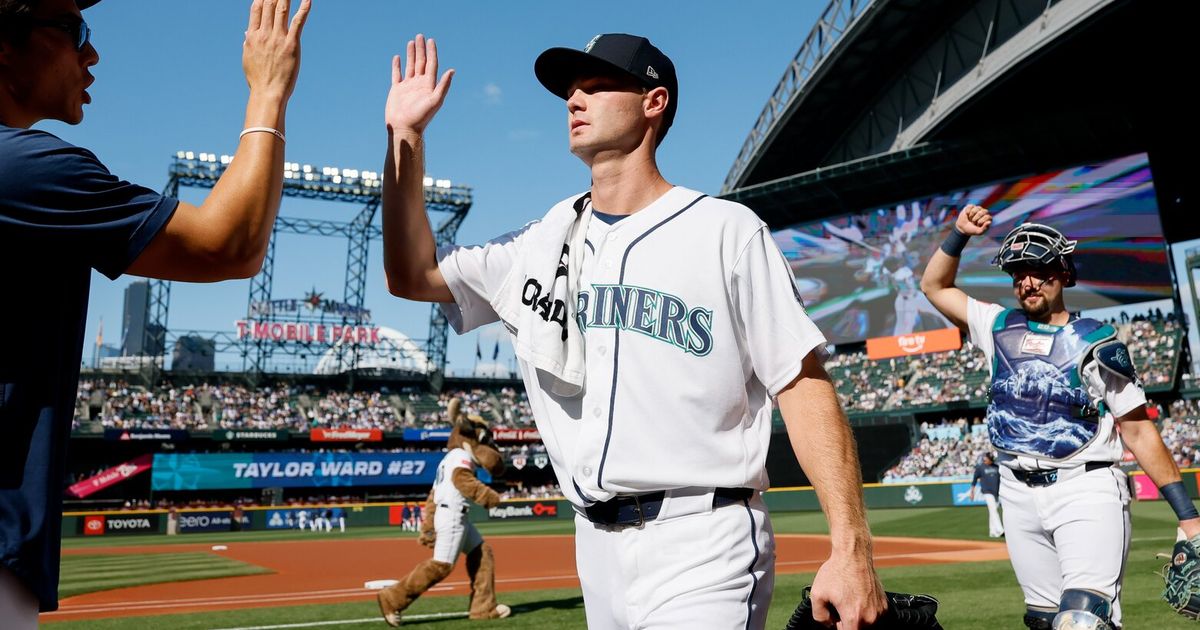
A commemorative baseball sat in the corner of Kade Anderson’s new locker like a small, polished proof of passage. The object itself was nothing grand, just a souvenir with a little gravity attached, but that is how baseball often announces the beginning of something larger: quietly, with a keepsake, then all at once with the sound of a young arm trying to belong under big lights.
Anderson’s major league debut at T-Mobile Park carried the kind of emotional weather teams spend years hoping to forecast. The Seattle Mariners have lived for too long with a future that always seems to arrive tomorrow. On Saturday, one of the pieces meant to make that future real walked out of the clubhouse, back onto the field, and into the sport’s oldest ritual — the first big league outing, with all the nerves, breath, and memory that come with it.
A debut that felt larger than the box score
There are debuts that vanish into the afternoon and debuts that linger because they reveal texture. Anderson’s was the second kind. The details around the outing matter almost as much as the performance itself: the commemorative baseball, the clubhouse shuffle, the chance to step back onto the grass after the ceremony of getting dressed for the majors. That is where the sport’s emotional core lives. Not in the ceremonial handshake alone, but in the little moments that tell a young player, you are here now, and the league will remember your name whether you are ready or not.
For Seattle, this was never just about one appearance. It was about a franchise that has spent years trying to translate promise into permanence. The Mariners have had pitching talent before — enough to tease, enough to frustrate, enough to keep the faithful hanging on every radar-gun blink and every scouting report written in pencil. Anderson’s debut enters that history with a different kind of pressure. Prospect debuts are not merely introductions; they are audits of organizational patience.
The Mariners know that better than most. They have seen what happens when a promising player is asked to carry too much too soon, and they have also seen what happens when the wait becomes its own form of burden. This is the narrow path: give the kid room to breathe, but make sure the moment is not wasted.
A debut is the league’s softest handshake and hardest exam at the same time.
The Mariners’ future keeps asking for a date
Seattle’s roster has been built around the idea that pitching can keep the club in the conversation while the offense tries to catch up. That has been the script for years, and scripts are comforting until they become excuses. Anderson’s arrival nudges the Mariners back toward the better version of that story: one where the organization’s homegrown arms are not merely insurance policies but central characters.
It is impossible to talk about a debut like this without the larger Major League Baseball ecosystem hanging over it. Young pitchers arrive now under a microscope sharpened by velocity readings, spin rates, and the endless internet habit of making a single appearance mean everything. The modern game asks a rookie to be a savant before it allows him to be a learner. That is a hard bargain.
And yet the Mariners, of all teams, understand the value of patience disguised as ambition. If Anderson is what they think he might become, then this day will be remembered not because it solved anything but because it opened a door. Teams do not win October in one afternoon in July or August or whenever the debut arrives. They win by collecting enough credible pieces that the season begins to tilt in their favor.
What a special day really costs
The romance of a first call-up can obscure the cost. There is the attention, of course, and the family phone calls, and the smile you wear for photographs you will one day find in a drawer and barely believe. But there is also the quiet tax of expectation. Once a top prospect arrives, every pitch can be interpreted as prophecy or warning. A young pitcher does not merely throw baseballs; he inherits a neighborhood’s worth of opinions.
That is why the emotional language around Anderson matters. “Special” is not a throwaway word in this context. It suggests the day landed where it should have landed — not as a burden, but as an earned step. The league has a way of sanding down sentiment, but some moments resist it. A debut at home, in front of your own crowd, with your own locker and your own commemorative baseball, still feels like one of the last pure ceremonies in a sport built on repetition.
I have always believed the first major league appearance tells us less about talent than about readiness to live inside the talent. There is a difference. Plenty of gifted pitchers can dominate a room. The question is who can stay steady once the room begins to hum, once the hitter in the box starts looking like a judge, once the bench stops being a bench and becomes an audience. Anderson has taken the first step toward answering that. The Mariners’ job now is to make sure Saturday becomes a foundation, not a highlight reel.
For Seattle supporters, this is the part of the calendar that matters most: not the noise, not the standings graphics, but the quiet emergence of another arm that could help change the shape of the club. If you want the broader context of what pressure looks like on a promising roster, the recent attention around Luis Robert Jr. reminded us how quickly young talent becomes a public thesis. Seattle’s version is gentler, but the principle is the same. Promise must eventually answer for itself.
What comes next for Anderson and Seattle
The immediate question is not whether Anderson had a memorable first day. He did. The real question is what the Mariners do with it. Do they let the debut breathe, allowing the pitcher to settle into routine and rhythm? Do they continue to feed the big-league machine with youth, trusting that the arms can carry more than the lineup has recently allowed?
This is where organizational identity reveals itself. Teams that know who they are can protect a debut from becoming an overstatement. They can make room for development without turning every outing into a referendum. Seattle’s challenge is to keep Anderson’s first chapter intact long enough for the next chapter to matter.
There is something honest, almost old-fashioned, about watching a prospect arrive at MLB level with a commemorative baseball tucked away in a locker and a stadium waiting beyond the tunnel. It reminds us that baseball still does ceremony better than most sports. It lets a kid have his day before it asks him to have a career.
Anderson has had his day. The harder work begins now.
The Mariners have opened the door. The next few weeks will tell us whether they meant to let him in for a visit or for keeps.
More from Straight From The Bench
Comments
Join the conversation — sign in to leave a comment.
Sign in to commentRelated Stories
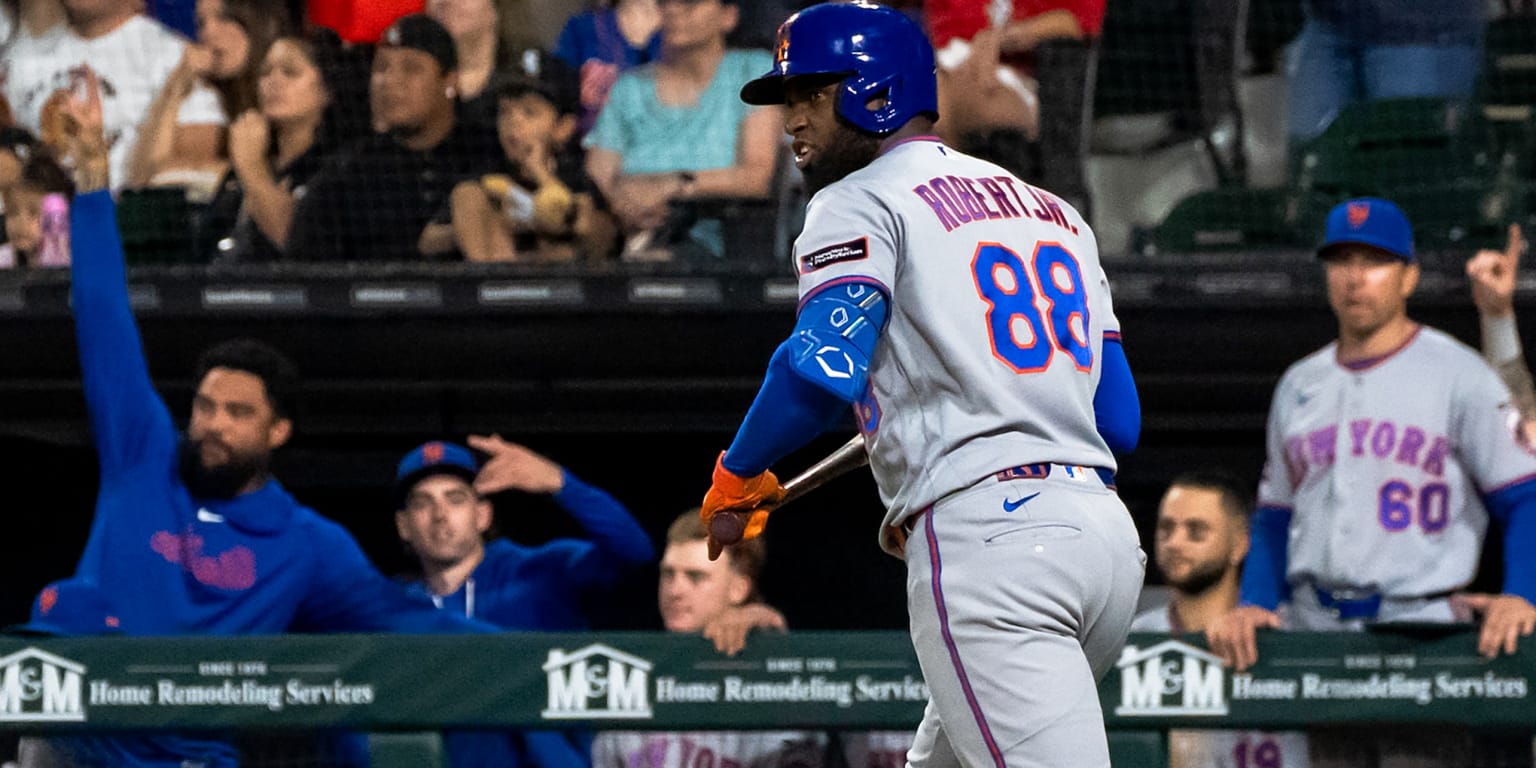
Luis Robert Jr. Home Runs: White Sox Return Turns Loud
Luis Robert Jr. returned to Rate Field and answered a rough night with two home runs, reminding Chicago what leaving can sound like.
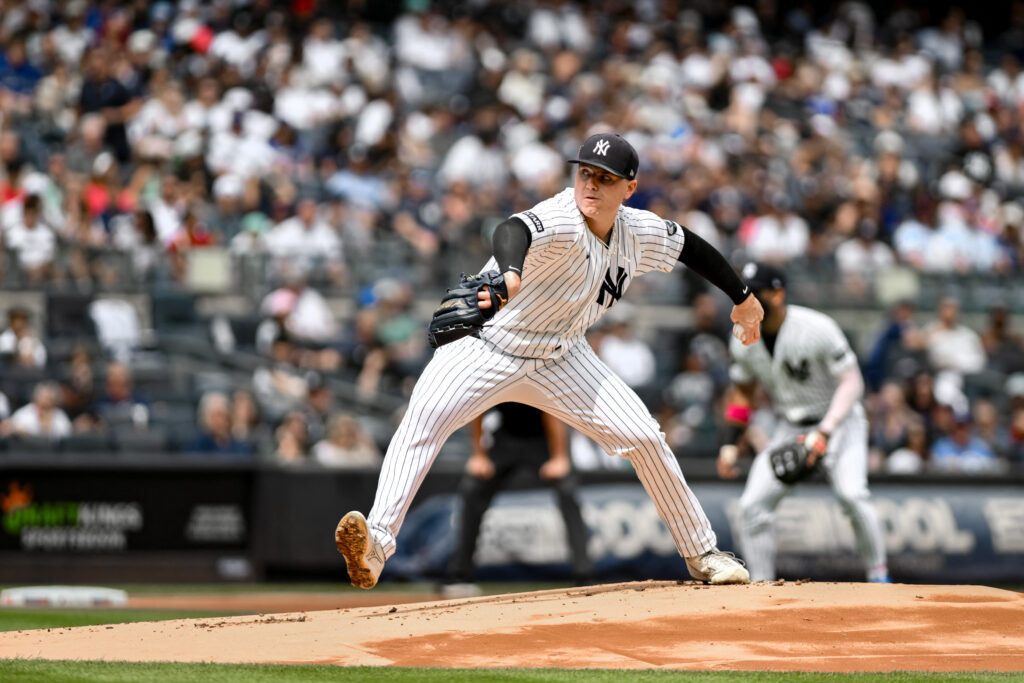
Yankees Ryan Weathers Injury Update: Forearm Discomfort Raises Alarm
Ryan Weathers left Saturday’s start with forearm discomfort and is headed for imaging. For the Yankees, that’s the kind of sentence that can alter a week, or a season.
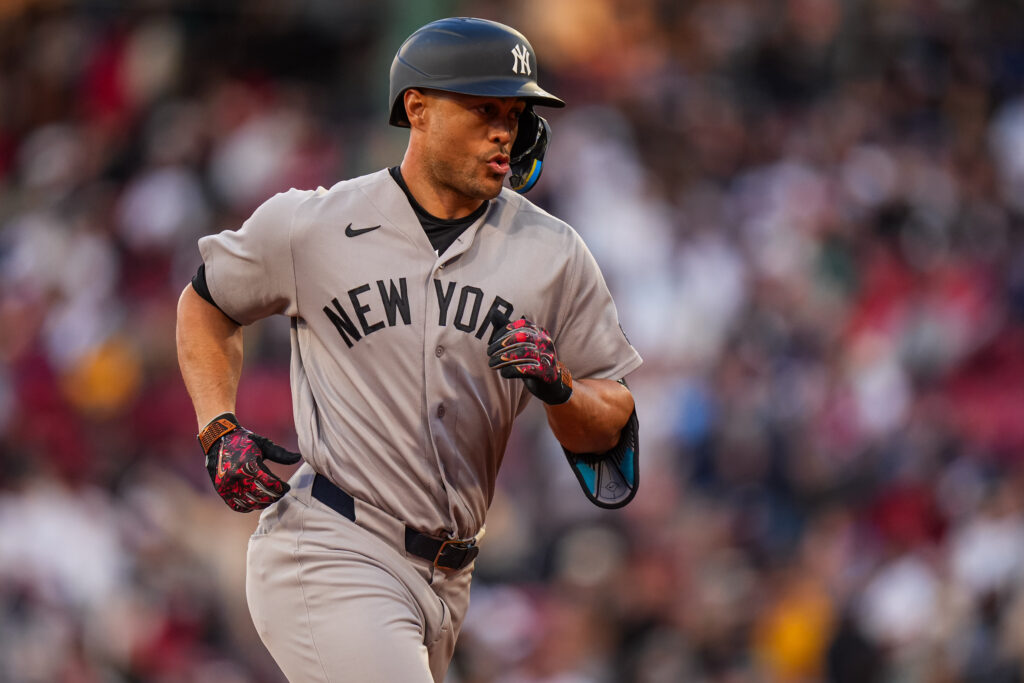
Giancarlo Stanton Calf Injury Update: Yankees Facing Another Shut-Down
Giancarlo Stanton’s latest calf setback is more than a health note. It’s another reminder that the Yankees’ lineup plans still have a giant hole in the middle.