
Luis Robert Jr. Home Runs: White Sox Return Turns Loud
The boos were there. So were the barrels.
 Beatrice Kensington6 min read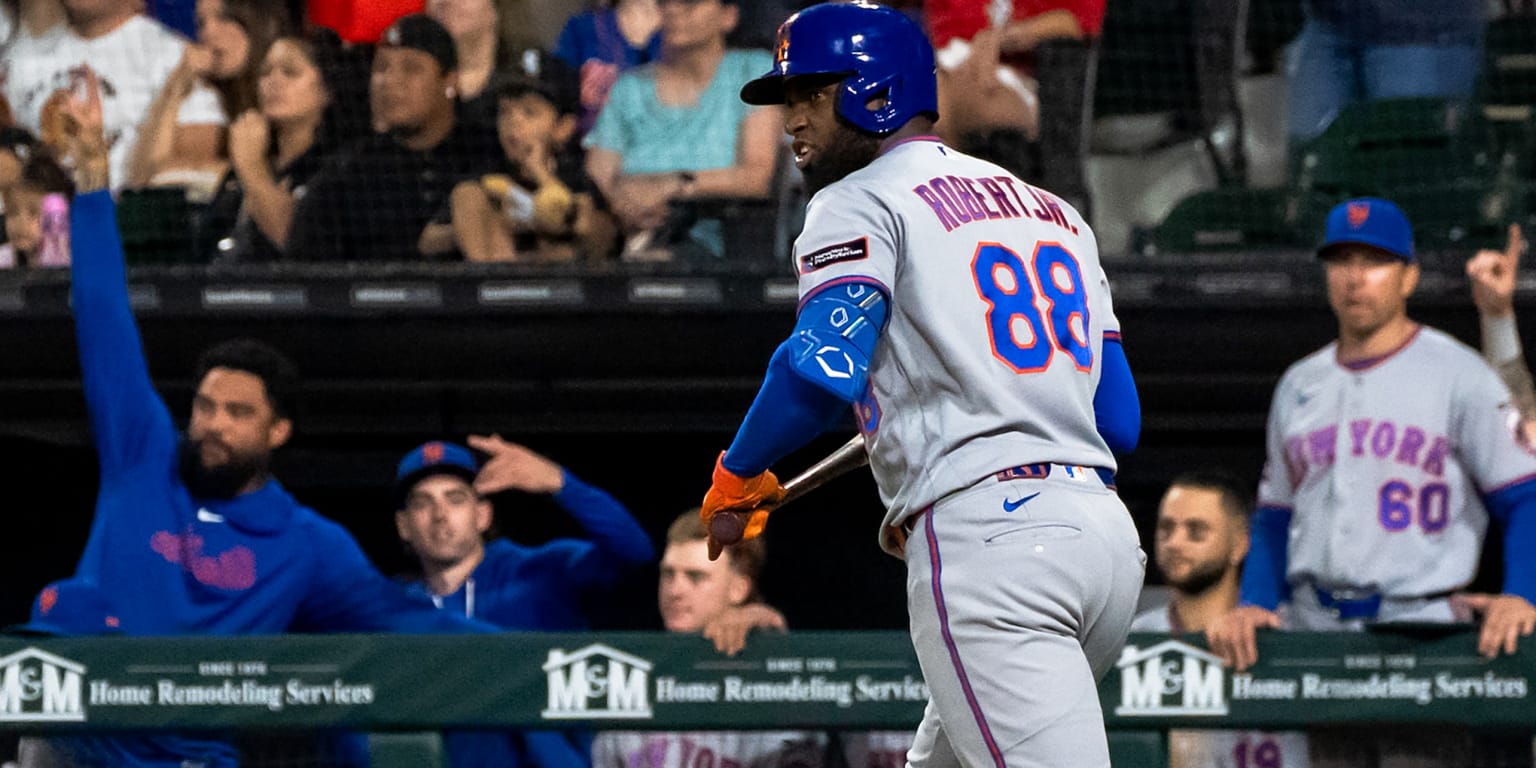
Luis Robert Jr. came back to the park where he grew up in public, and for two swings on Saturday night, the old place had to listen. The boos came first, as they often do in these modern baseball farewells, but the louder truth belonged to the bat: two home runs in a 10-5 win that turned a reunion into a reckoning. Chicago has spent six seasons learning Robert’s gifts in fragments — the glide in center, the sudden violence at the plate, the feeling that something electric might happen at any instant — and then losing him to the logic of roster churn. He returned as the visiting man and left with the kind of night that lingers in a ballpark’s back rooms long after the crowd has gone home.
The box score will file this away as a strong offensive performance. That undersells it. This was one of those games where the emotional weather mattered as much as the runs. A player who once wore the city’s expectations like a second uniform stepped back into Rate Field and absorbed the ritual punishment reserved for departures that never heal cleanly. Then he answered with authority. Baseball has always had a taste for these reversals — the sort that make a crowd feel both vindicated and briefly exposed — and Robert supplied one in the sharpest way possible.
A return that carried the weight of six seasons
The White Sox did not merely trade away a center fielder; they closed a chapter that once promised to be foundational. Luis Robert Jr. arrived in Chicago with the kind of tools scouts frame in admiring whispers, all fast-twitch grace and raw force. The hope around him was never modest. He was supposed to be part of the answer, maybe even the headline of a sustained contender. Instead, the years bent toward disappointment, injury, and the slow erosion that comes when promise keeps getting interrupted.
That is why his return mattered. Not because he owed the crowd some theatrical gesture, but because the crowd owed itself honesty. Chicago wanted the player he might have become here. What it got, too often, was the ache of possibility. Saturday night gave both sides a clean view of the past: the ovation withheld, the boos deployed, the homer arriving anyway.
For a club trying to patch together a future, this sort of night can be a bruise with a lesson inside it. The White Sox are still living through the consequences of their own uncertainties, and the game reminded everyone how thin the line is between player development and regret.
The boos mattered, and so did the response
There is a modern habit in sports of pretending emotion is separate from analysis, as if noise in the stands is merely decorative. It isn’t. Boos tell you a city is still attached, still bothered, still measuring a player against the version it once imagined. Robert heard that. He also answered it in the oldest language available.
The loudest rebuke in baseball is often the one answered with thunder.
That is what made the night feel larger than a late-summer win. The Chicago White Sox faithful were not booing a stranger; they were booing a memory that did not end the way they were told it might. And Robert, by homering twice, reclaimed the emotional frame. The crowd could reject the jersey, but not the production.
There is a particular cruelty in baseball returns because the sport gives players time to dwell on them. No timeout, no sideline rescue, just a long walk back into the same light that once held your disappointments. Robert handled that walk like a veteran who has learned how to let the noise pass through him. That alone is worth noticing.
What this says about the White Sox and the cost of waiting
The White Sox have spent too much recent history trapped between rebuilding language and the hard arithmetic of results. Nights like this are painful because they become symbols whether a team wants them to or not. Robert’s success elsewhere — even in a single game, even in a single return — sharpens the broader question of what Chicago has been able to keep, nurture, and cash in on. Clubs live or die not just by who they draft or sign, but by who they manage to turn into something lasting.
I have watched enough of these returns to know that the player is rarely the whole story. The reception is a referendum on the front office, on the medical staff, on patience, on ambition, on whether a city believes its own baseball future is being treated as a serious thing. That is the true ache. Not that Robert hit two homers. It’s that his night in the other uniform forced Chicago to revisit the possibility that it mistook delay for development, and hope for structure.
The comparison that keeps coming to mind is not some grand dynasty breakup, but the smaller, sadder baseball tradition of a gifted player becoming more legible only after the relationship has already expired. We do this all the time in the sport. We explain it away as part of the business. Perhaps it is. But business has a way of leaving emotional debris. Robert’s return scattered some of it across the infield.
For a White Sox organization still trying to tell a coherent story about its next phase, that matters. Fans do not forget the players who were supposed to alter the franchise’s shape. They especially do not forget when those players leave and look freer, cleaner, and more dangerous somewhere else.
Robert’s night, and the larger lesson for Chicago
For Robert, the significance is simpler. He was seen, he was booed, and he produced. That is the athlete’s preferred grammar. The rest is theater around the edges.
For Chicago, the night becomes one more entry in a ledger that has grown too familiar: a star-shaped talent, a complicated tenure, a departure, and then a reminder, in another uniform, of what might have been. The city will move on. It always does. But baseball remembers in flashes, and Saturday’s were bright.
If the White Sox wanted proof that the past still has teeth, they got it. If Robert wanted to remind them what the bat can still say, he did that too. The series will end, the crowd will thin, and the season will keep grinding forward. Yet this one will stay in the building a while, hanging over the seats like a warning and a kind of compliment.
More from Straight From The Bench
Comments
Join the conversation — sign in to leave a comment.
Sign in to commentRelated Stories
Kade Anderson MLB Debut: Mariners Prospect Relishes Special Day
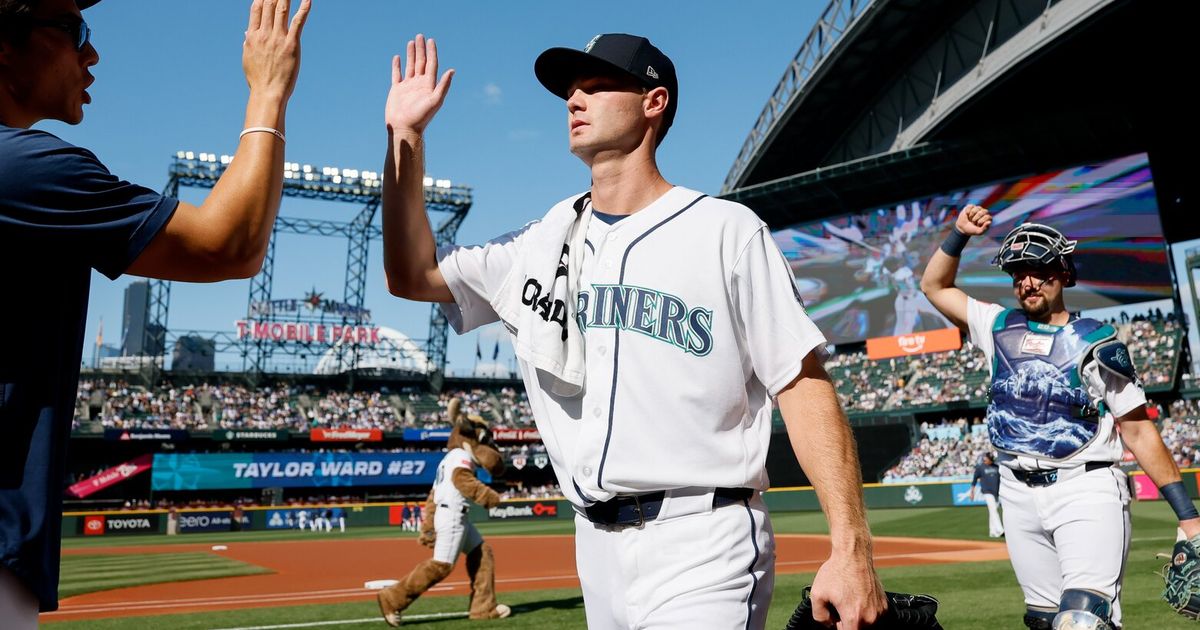
Kade Anderson’s debut at T-Mobile Park was less a cameo than a rite of passage. For the Mariners, it was a glimpse of the future with the present watching closely.
Yankees Ryan Weathers Injury Update: Forearm Discomfort Raises Alarm
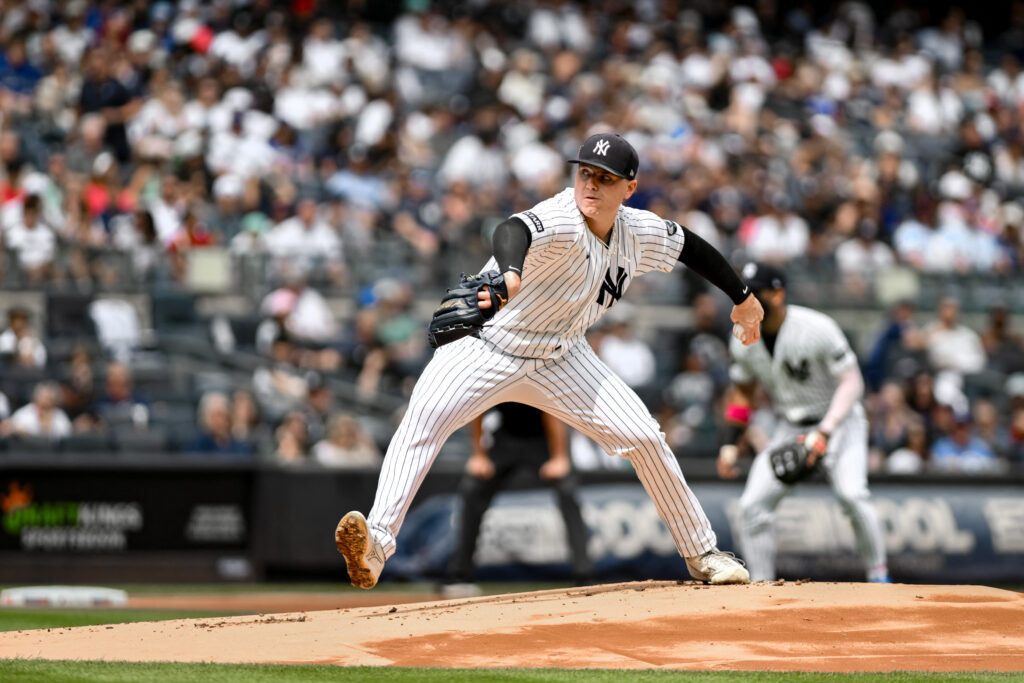
Ryan Weathers left Saturday’s start with forearm discomfort and is headed for imaging. For the Yankees, that’s the kind of sentence that can alter a week, or a season.
Giancarlo Stanton Calf Injury Update: Yankees Facing Another Shut-Down
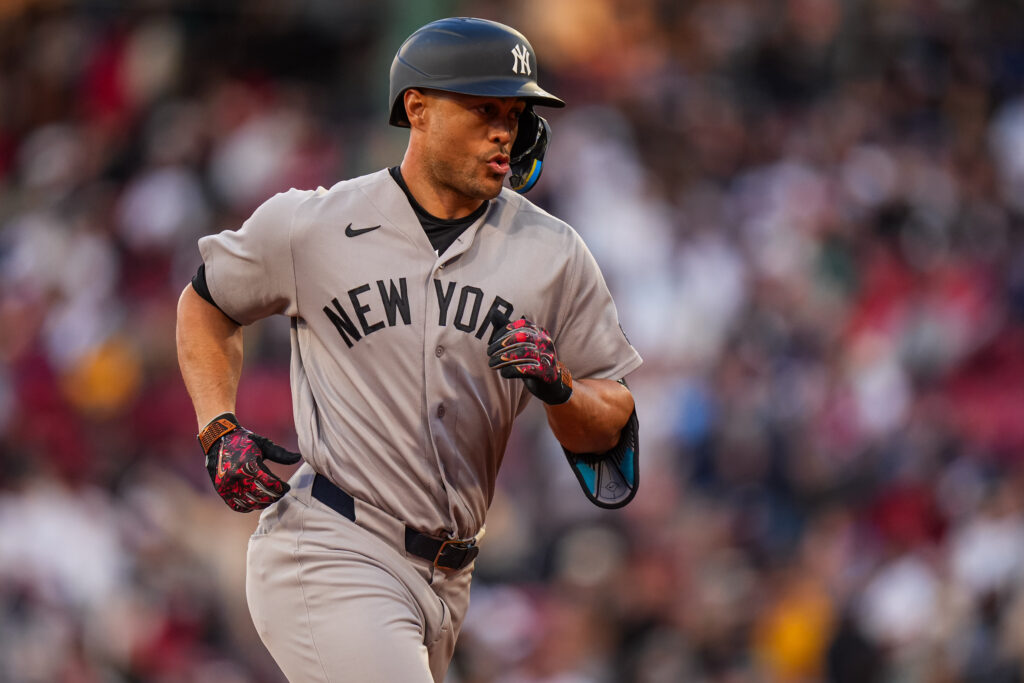
Giancarlo Stanton’s latest calf setback is more than a health note. It’s another reminder that the Yankees’ lineup plans still have a giant hole in the middle.