
LeBron James Loan Deal: The $300 Million Side Hustle
The King didn’t just sign a Lakers contract. He helped build a very rich second act.
 Leo Lupo5 min read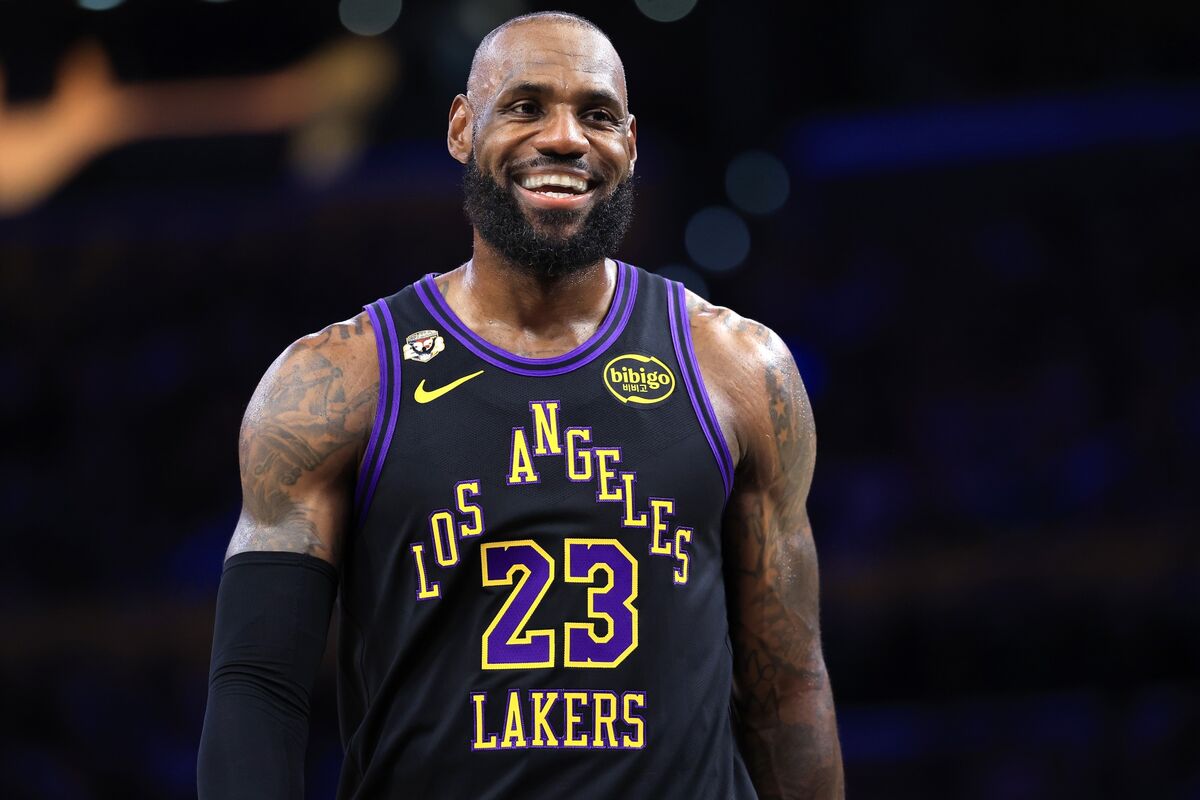
LeBron James didn’t just walk into Los Angeles and sign a basketball contract. He showed up already playing a deeper financial game, one most athletes never get near. The Lakers deal in 2018 was the headline, sure. But the bigger number — the one that tells you where modern sports really lives — was the $300 million borrowing arrangement tied to insurers and arranged by Guggenheim.
That’s the part that matters. Not because it’s flashy. Because it’s instructive. James has spent two decades proving he is not merely a player with endorsement money. He is a business entity with gravity. The league sells his games. The brands sell his face. And the money men? They line up to lend against the future.
LeBron the player, LeBron the asset
People hear “$300 million” and assume we’re talking about a payday. Wrong end of the ledger. This was about borrowing power, about leverage, about turning a reputation into something a financier can underwrite. That’s a different breed of wealth. That’s not contract cash in the bank. That’s the kind of arrangement built on trust, performance, and the ugly little truth that famous names can be collateral.
LeBron has always been the rare athlete who looks comfortable inside both worlds. He can take a charge at the rim and sit in a boardroom without needing a translation app. That didn’t happen by accident. He built it brick by brick, from NBA superstardom to media ventures to ownership talk. The man long ago stopped being just a forward. He became a platform.
And let’s be honest: the sports business loves this stuff because it feeds the fantasy that greatness can be packaged, priced, and extended. Sometimes it can. Sometimes it can’t. The lenders aren’t doing charity. They’re betting that LeBron James remains LeBron James — a global draw, a steady engine, a walking line item with a long shelf life.
The real flex isn’t the contract. It’s getting the money before everybody else has stopped clapping.
Why this matters to the Lakers and the league
For the Los Angeles Lakers, this is part of the bargain that comes with employing a titan. You don’t just get baskets, sellouts, and national TV. You get the halo effect, the ripple effect, the kind of attention that makes every corner office in the sport lean forward. LeBron’s presence in purple and gold has always meant more than wins and losses. It means relevance, and relevance in this league still prints.
The NBA has become a kingdom where top stars operate like brands first and athletes second, at least financially. That isn’t a criticism. It’s the marketplace. The old days of a man cashing his check, grabbing a steak, and fading into the offseason are long gone. Now the biggest names are negotiating not just salaries, but ecosystems. They want ownership stakes, production companies, equity, and capital structures. That’s where the real leverage lives.
If you want a comparison, look at how modern players are treated by the business class versus the old guard. The league has moved far beyond the single paycheck model. It’s all about extending influence. In that sense, LeBron is the prototype. He didn’t wait for retirement to think like a mogul. He started early, and he made sure everyone noticed.
The finance world sees what basketball fans miss
Most fans track points, rings, and rivalries. The financial crowd tracks durability. They ask how long the asset stays hot, how sticky the audience is, how much future value can be pulled forward today. It’s a cold way to look at sports, but cold money has always had a strong pulse.
That’s why an arrangement like this gets attention. It says the market believes in the man enough to move serious dollars around him. Not every star gets that kind of treatment. Plenty of players can fill a box score and never get near this level of financial engineering. LeBron is different because the audience for LeBron is global, multigenerational, and weirdly loyal. The man has spent so long at the center of the sport that even his business moves feel like part of the NBA season.
I’ve covered this game long enough to remember when athletes got called lucky if they found a decent adviser and didn’t end up broke by 40. Now the elite are using the system the other way around. They’re not begging for a seat at the table. They’re making the table bigger. Sometimes they’re borrowing the whole thing.
And yes, there’s a little something to admire in that. Not the excess, necessarily. The discipline. The nerve. The understanding that fame can decay if it sits idle, so you put it to work. That’s not just LeBron’s story. It’s the modern superstar playbook, whether the suits want to admit it or not. It’s also why stories like this land alongside the hard-nosed stuff, from player health debates like the one we dug into in the NFL CTE study to the blunt-force economics of roster moves such as the Patriots’ Kayshon Boutte trade. Sports is a business with shoulder pads.
What it signals for the next generation
The lesson here isn’t that every star should go borrow hundreds of millions and call it strategy. Most shouldn’t. The lesson is that the smartest athletes now think like franchise owners while they’re still playing. They understand that the playing career is the spark, not the fire.
You can already see younger athletes copying pieces of the LeBron model. Build the brand. Control the narrative. Own the content. Keep the money working after the final buzzer. That path is getting more common because the old one — play, retire, hope the pension and a few commercials hold you up — was never built for the long haul.
LeBron didn’t invent that shift, but he helped make it respectable. That’s the twist. The king isn’t just keeping score on the court. He’s helping rewrite how wealth in sports is assembled, borrowed, and defended.
Expect more of this from stars who understand the game beyond the hardwood. The scoreboards will keep lighting up. The real action, though, is happening in the back rooms with the people holding the paperwork.
More from Straight From The Bench
Comments
Join the conversation — sign in to leave a comment.
Sign in to commentRelated Stories
Enes Kanter Freedom WNBA Ejection: What Happened Courtside
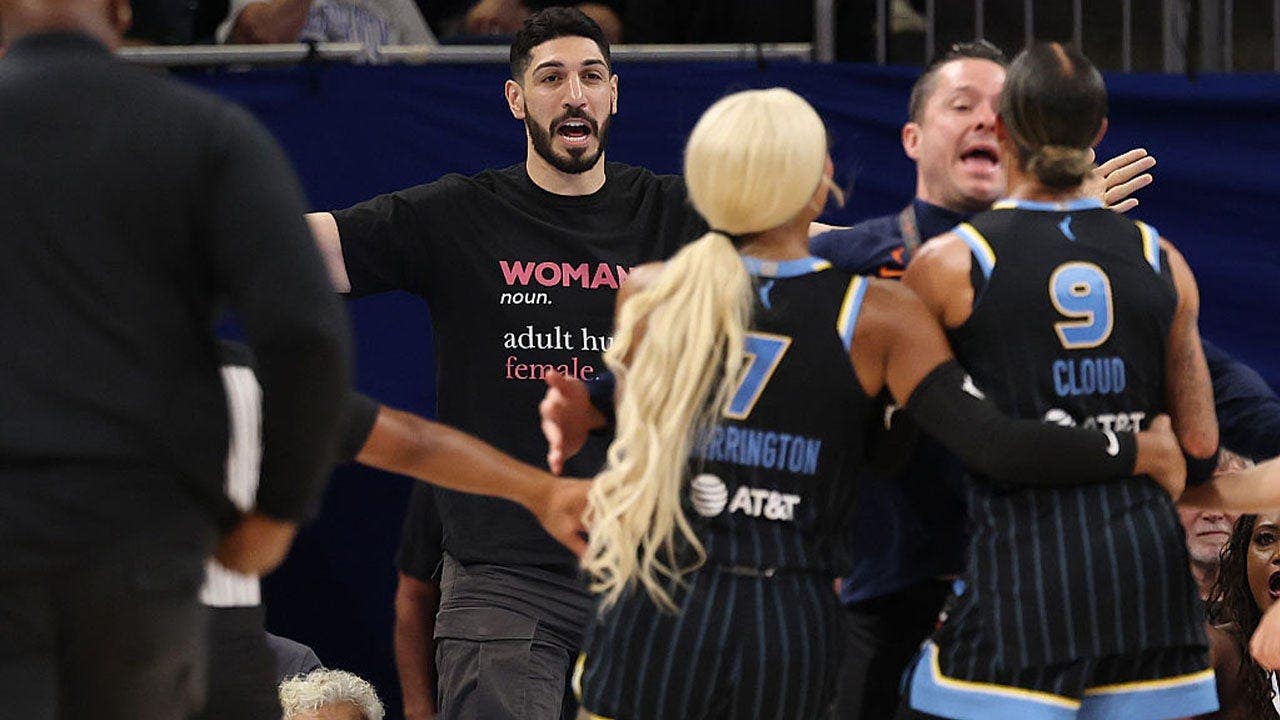
Enes Kanter Freedom says he was tossed from an Indiana Fever-Chicago Sky game after a courtside clash with Natasha Cloud. The whole thing says plenty about who gets to push the buttons in modern sport
Enes Kanter Freedom Ejection: Natasha Cloud Altercation Shakes WNBA
Enes Kanter Freedom’s ejection after a verbal exchange with Natasha Cloud added an unwelcome edge to Chicago Sky–Indiana Fever. The incident says as much about modern sports theater as it does about t
Carson Whisenhunt UCL Tear: Giants Lefty Faces Surgery
Carson Whisenhunt’s elbow injury has changed the Giants’ picture fast. A lefty with upside is now staring at a surgery timeline and an even longer wait.