
Liam Hicks Trade: Rays Add Breakout Catcher From Marlins
A quiet in-state deal with the feel of a roster thesis.
 Beatrice Kensington6 min read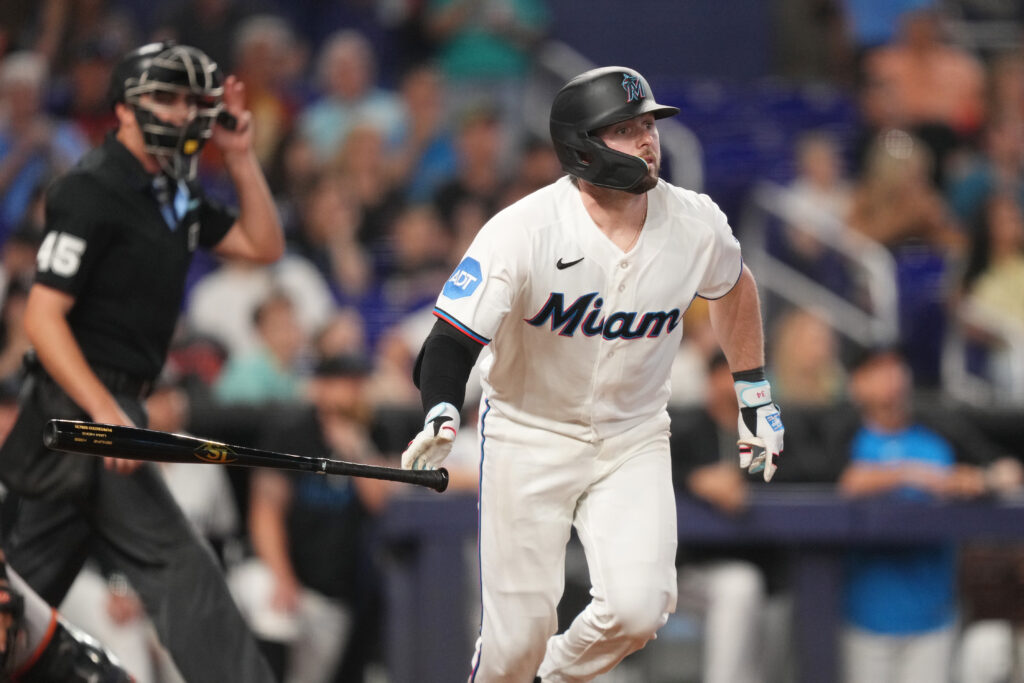
The Rays have spent years turning the margins into a competitive edge, and this deal fits their favorite genre: the unglamorous trade that makes sense three months from now, not three minutes after the announcement. By adding Liam Hicks from the Marlins, Tampa Bay is betting that a breakout catcher with some first-base utility can become more than a name on a transaction wire. It is the sort of move that rarely shakes a market, but often shapes a season.
Hicks arrives as a long-term answer behind the plate, at least in the Rays’ eyes, and that matters because catching is the last place teams usually find cheap certainty. It is a demanding job, part traffic cop and part memory test, with the added burden of making an entire pitching staff trust your hands in a game decided by inches. The Rays have never been shy about asking a catcher to do more than receive. They want a problem-solver, a learner, a body that can absorb the grind and a bat that does not vanish in the ninth inning. Hicks, by all accounts, is being acquired because Tampa Bay believes there is more meat on this bone.
Tampa Bay bought upside, not just innings
The attraction is easy enough to trace. Catchers who can hit even a little are currency, and catchers who can do that while also offering a fallback at first base become even more useful in a sport that devours roster flexibility. Tampa Bay does not trade like a club trying to win the press conference. It trades like a club trying to win October by accumulating optionality in July and August.
That is why this feels less like a patch and more like an investment. Hicks is not being asked to rescue a pennant race by himself. He is being asked to fit into the Rays’ machinery, where development is not a slogan but a business model. The MLB calendar is full of teams that acquire a catcher because they need a catcher. The Rays tend to acquire one because they think they can help make him better.
The twist, of course, is that the Marlins are sending him down the highway to a division rival, which gives the trade a sharper edge than most people expect from a so-called small deal. These two clubs are not natural trading partners in the sentimental sense. They are neighbors, yes, but neighbors in the way two families on the same street are neighbors: close enough to know each other’s habits, competitive enough to keep the curtains drawn.
Why the return matters for Miami
Miami’s return reportedly includes Adrian Santana and Jacob Kisting, and that tells you the Marlins are still living in the language of assets and timelines. This is not a club behaving as though one useful catcher should be preserved at all costs. It is behaving like a team still measuring the distance between where it is and where it wants to be.
There is no shame in that. The harsh arithmetic of baseball forces a lot of organizations into this shape. Some clubs are built to contend now, some are built to hope later, and a few are stuck balancing both while the standings keep score. Miami has often been one of the latter. Trading a breakout catcher for younger pieces is a familiar move for a franchise that has spent too much of its recent life trying to translate promise into permanence.
Still, there is a cost. Catchers are personal. They live in the day-to-day rhythm of a staff, and when one leaves, some of that timing leaves too. The Marlins are not just parting with a bat; they are parting with a presence. In a sport that can make a clubhouse feel like a hotel lobby at midnight, that kind of continuity matters more than it gets credit for.
Tampa Bay did not buy a catcher; it bought a theory.
The Rays’ old habit: find value where others see utility
If this reminds anyone of the broader MLB trade deadline ecosystem, it should. The loudest names usually get the most attention, but the clubs that keep winning organizationally are the ones that can spot the useful, unfinished player before the market decides he is useful. The Rays have built a whole identity around that instinct, and it has served them well enough to become a kind of baseball folklore.
That is why a trade like this lands with more meaning than its size suggests. Tampa Bay is signaling confidence not only in Hicks, but in its own developmental pipeline. The club believes it can take a player whose breakout has begun and make it sustainable. That distinction is the real prize. Breakouts are fragile; sustainability is where good front offices earn their keep.
For the Rays, the question now is not whether Hicks can be a story. It is whether he can become a system fit, which is a much more demanding standard. Catchers have to handle pitchers, learn a staff, earn trust and still survive the daily bruising that comes with the job. If Hicks takes to that environment, the Rays will have done what they always seem to do: turn a modest transaction into a structural advantage.
I have long believed the most revealing trades are not the ones that flood social media for an afternoon, but the ones that look almost boring until the standings harden and the postseason begins to squeeze the air from a roster. This one has that smell. Tampa Bay has seen too many seasons bend on the question of whether it had enough receiving depth, enough offense at the margins, enough versatility to survive the long middle. Hicks is being brought in because the Rays think they can answer at least part of that question now, and maybe for longer than a summer.
What to watch next behind the plate
The immediate test is simple: how quickly does Hicks settle into the Rays’ catching environment, and how much of his bat travels with him? The transition from one organization to another can be mundane on paper and brutal in practice. New pitchers, new language, new expectations. Even a player with momentum can lose his footing if the landing is rough.
For Miami, the relevant question is whether Santana and Kisting become more than placeholders in a future trade ledger. For Tampa Bay, the bigger question is whether this is the sort of acquisition that quietly lengthens a contender’s season by making the catcher spot less fragile, less improvisational, less prone to the sort of late-summer wear that exposes thin rosters.
The Rays do not need applause for this one. They need it to work.
And if it does, they will have added another useful piece to the machine, which is exactly how they prefer to write their summer stories.
More from Straight From The Bench
Comments
Join the conversation — sign in to leave a comment.
Sign in to commentRelated Stories
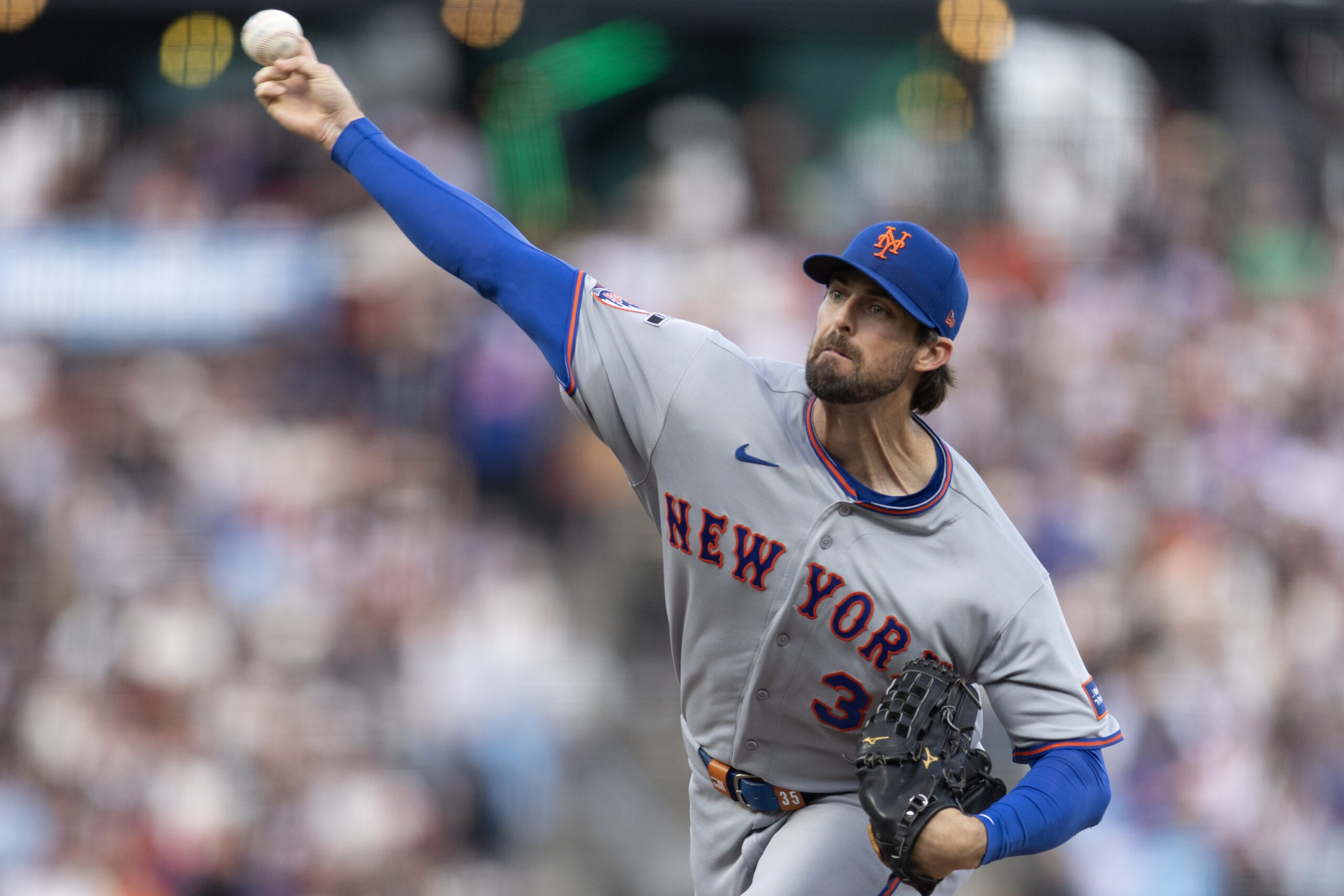
Mets Trade Deadline: Eight-Player Selloff Leaves a Bruised Club
The Mets turned the deadline into a dismantling, shipping out eight big-league pieces and signaling a harder truth: this year was already slipping away.
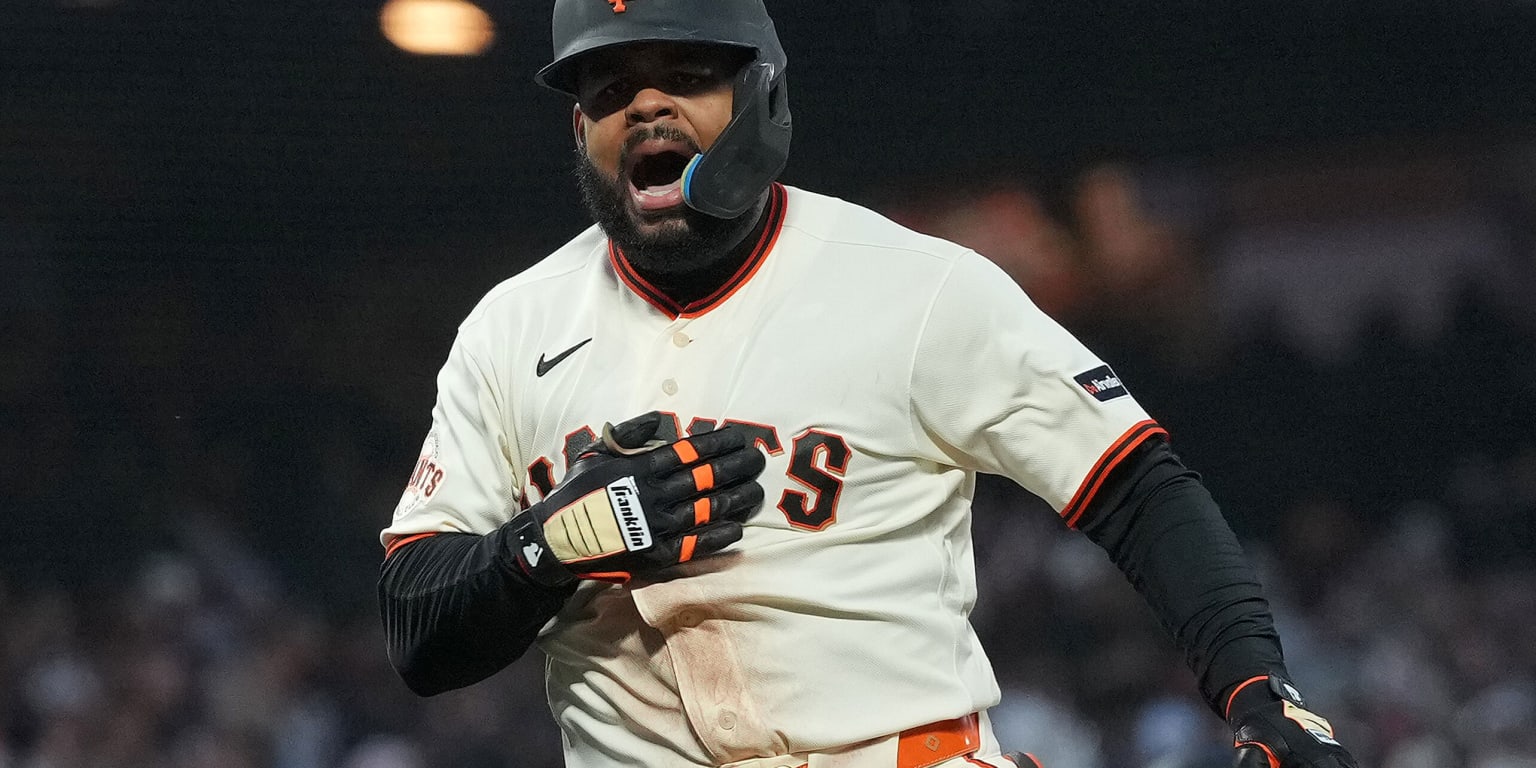
Yankees trade for Heliot Ramos: right-handed bat arrives late
New York finally found the right-handed outfield help it hunted all week, landing Heliot Ramos from San Francisco in a deadline deal. The Yankees spent long enough shopping; now comes the part where t
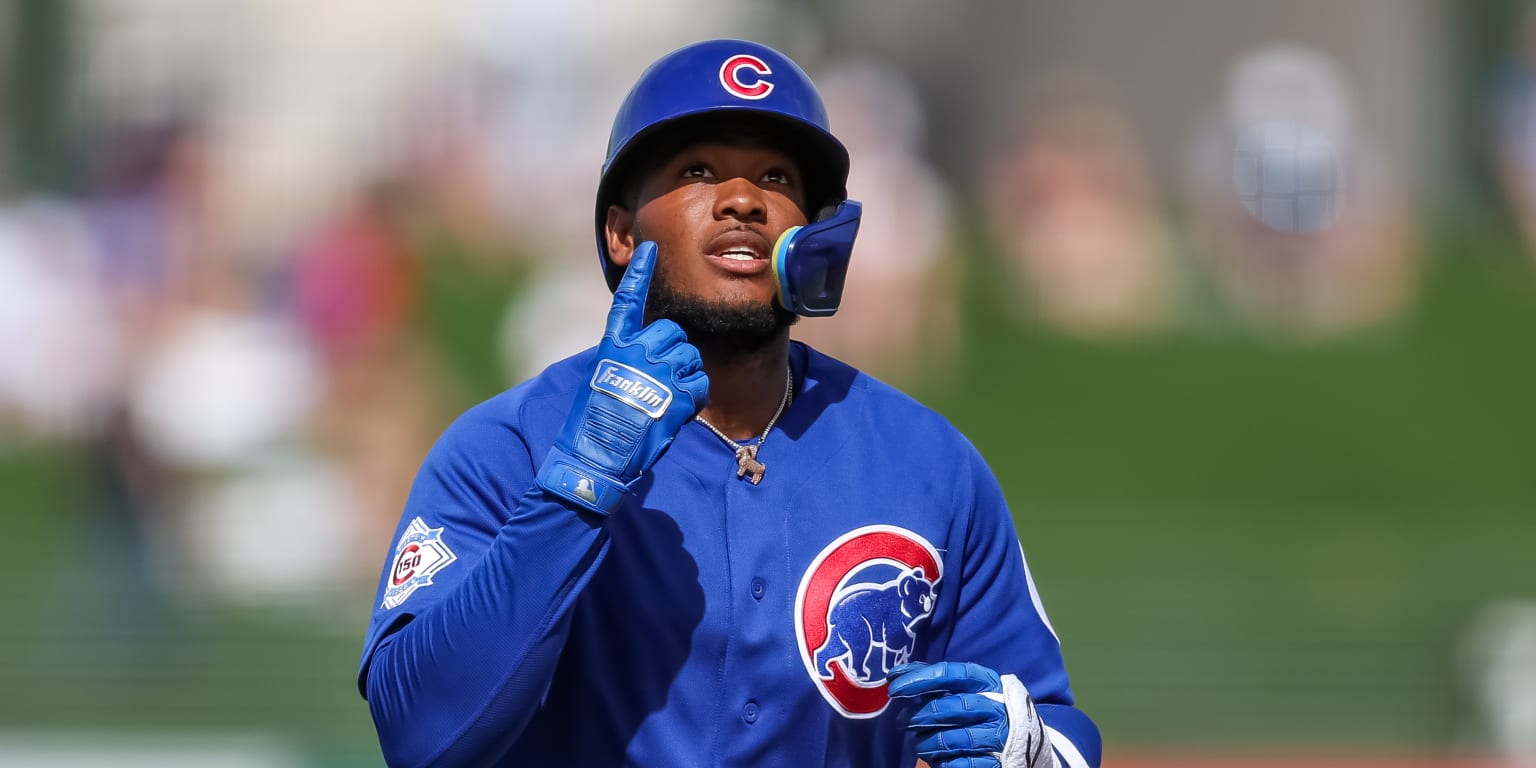
Mets Trade Deadline: Rojas Arrives as Holmes, Taylor Head to Cubs
The Mets found their signature prospect, and the cost was bigger-league certainty. Nolan McLean’s arrival says plenty about where this club is headed.