
Max Verstappen Singapore GP: Marina Bay mastery with Ferrari left chasing
A street-circuit win that felt inevitable by the final stint.
 Beatrice Kensington6 min read
Max Verstappen has a way of making a street circuit look like a private driveway, and Marina Bay Street Circuit rarely gives anyone that kind of comfort. In Singapore, the walls lean in, the humidity clings, the race punishes vanity, and the smallest strategic misread can turn into a public bruise. Verstappen absorbed all of it, managed the early pressure, and then did the quiet, ruthless thing champions do: he took the chaos off the table and never gave it back.
The result was not merely another line on the ledger. It was his first Singapore Grand Prix victory, a box that had remained tantalizingly unfilled for a driver who has conquered just about every other kind of terrain Formula 1 can offer. And because this was Singapore, the win carried a second story in its shadow — Ferrari’s strategy, debatable in the moment and unkind in hindsight, left Charles Leclerc with too little leverage against a man who had already decided the race would be fought on his terms.
Verstappen finally solved Singapore’s puzzle
There is a specific kind of authority Verstappen projects when a race is getting away from everyone else. It is not flamboyant. It is not theatrical. It is the unmistakable feeling that he sees the whole board, while everyone around him is still moving pieces one square at a time.
Singapore has often resisted that sort of dominance. The night race is notorious for turning elite machinery into a sweaty compromise between pace and preservation. Tires fade, concentration frays, and the slightest hesitation on pit wall can hand the initiative to a rival with nothing but clean air and nerve. Verstappen survived the opening challenge from Leclerc, then settled the contest with the patience of a surgeon. No flourish was necessary. The job was done through control, and control is the most punishing weapon in this sport.
What makes this win matter is not only the venue, but the shape of the victory. This was not a lucky interception of circumstance. It was a statement from a driver who has become so complete that even the so-called awkward tracks eventually submit. That matters in a championship culture where weaknesses are hunted like flaws in armor.
When Verstappen is calm, everyone else starts racing the stopwatch and the mirror at the same time.
Ferrari’s strategy opened the door, and Singapore rarely forgives that
Ferrari’s afternoon had the familiar smell of opportunity curdling into second-guessing. In a race like this, strategy is not a supporting actor. It is the plot. A marginal call on pit timing or tire life can leave a driver stranded in traffic, and traffic at Marina Bay is less a nuisance than a sentence.
That is why the debate around Ferrari’s choices will last beyond the checkered flag. Leclerc was in the hunt early, and at Singapore that alone is precious. But precious is not the same as sufficient. Once Verstappen had room to dictate the terms, Ferrari were forced into reaction mode, and reaction mode is where races at street circuits begin to die by inches. The team was left measuring regret against position, and that arithmetic rarely flatters.
There is also a broader cultural edge to this, one that Formula 1 fans know too well. Ferrari’s old ghost is not simply bad luck. It is the recurrence of moments when the car is competitive, the driver is sharp, and the strategy wall hands away the advantage with the sort of tentative logic that only looks reasonable on paper. In modern F1, where margins are scalpels-thin, that is often fatal.
For readers tracking the wider arc of the season, it is worth keeping an eye on how teams around the front respond to this kind of loss. We saw in other pressure-heavy weekends — from the scrum and shifting personnel in Eagles vs. Jaguars Live Updates: Trevor Lawrence’s London Stage to the churn of mistakes and momentum in Arch Manning Interceptions: Texas Blows Red River Lead to Oklahoma — that elite sport is often decided less by brilliance than by who blinks first. Singapore belonged to the side that did not blink.
Kimi Antonelli’s podium hint, and what it says about the next generation
The presence of Kimi Antonelli on the podium is one of those details that deserves more than a passing nod, because Formula 1 lives in a constant argument between what is established and what is coming. A young driver stepping onto that stage in Singapore does more than collect applause; he collects expectation.
Antonelli’s result, alongside Verstappen and Leclerc, gives the race a neat generational frame. The old guard did what the old guard does — imposed itself, shaped the result, claimed the center of the photograph. The newcomer, though, was not there as a prop. He arrived as a reminder that the sport’s future will not wait politely behind the barriers.
That matters for the paddock’s psychology. Drivers watch one another more closely than they admit. Teams do too. A strong podium at Singapore can change how a rookie is treated in the engineering room, in the media pen, and in the tiny, ruthless market of confidence where reputations are priced. It is one thing to look fast on a Saturday in qualifying; it is another to survive Singapore with your nerve intact.
The bigger picture: Verstappen keeps shrinking the space for error
I have covered enough elite sport to know that dominance is often mistaken for inevitability, which is a lazy reading of both the athlete and the moment. What Verstappen is doing is more exacting than that. He is not making the competition disappear. He is making the cost of competing against him feel unbearable.
That is the real significance of a Singapore victory, especially one built on composure and strategy rather than fireworks. It tells rivals that there is no sanctuary left in the calendar, no track where he arrives merely as a contender and leaves as a man politely applauded. He has become the kind of driver who changes the tone of a weekend before the lights go out.
And in the long history of Singapore Grand Prix drama, that may be the most chilling detail of all. Not the win itself, but the way it happened: with patience, with discipline, with an almost insulting lack of panic.
The rest of the paddock will file this one away and pretend it is just another result. It is not. It is a warning.
More from Straight From The Bench
Comments
Join the conversation — sign in to leave a comment.
Sign in to commentRelated Stories
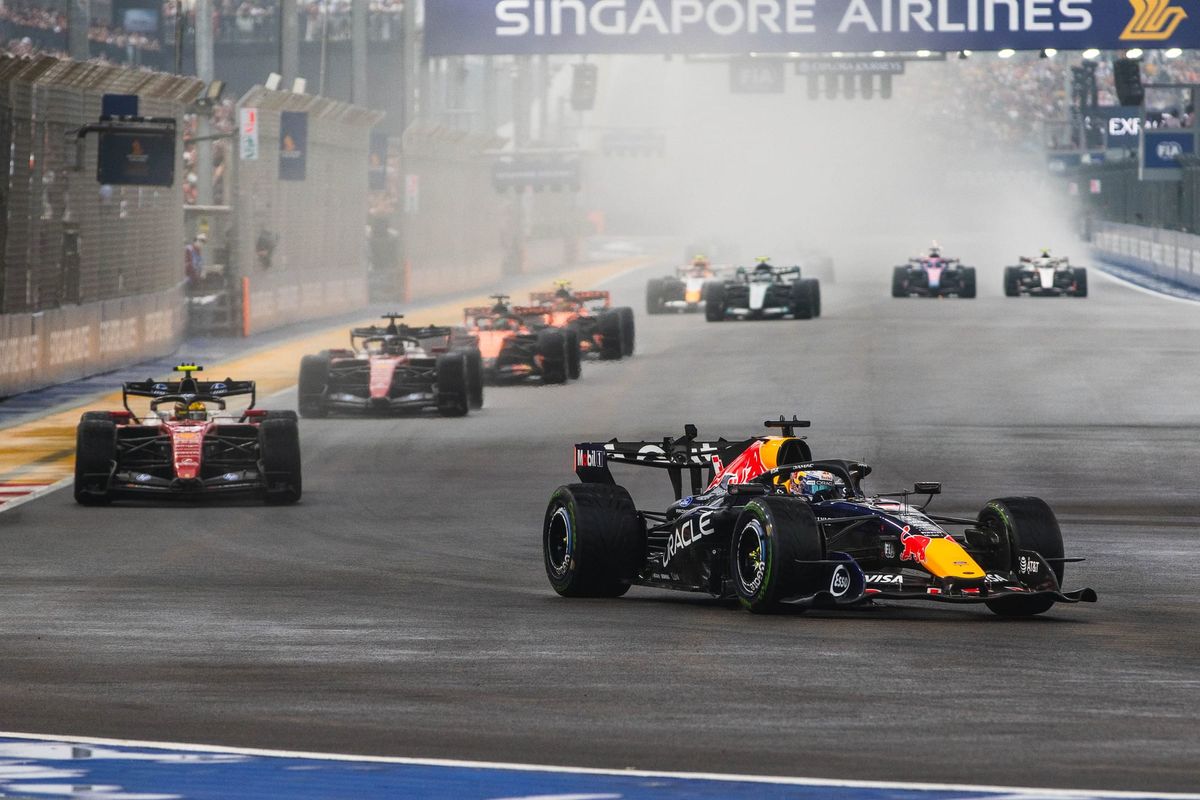
F1 Singapore GP Starting Grid: Verstappen and Leclerc Lead Chaos
Verstappen and Leclerc lock out the front row for Singapore, but the real story is the mess behind them: penalties, pit-lane starts, and a grid that already feels unstable.
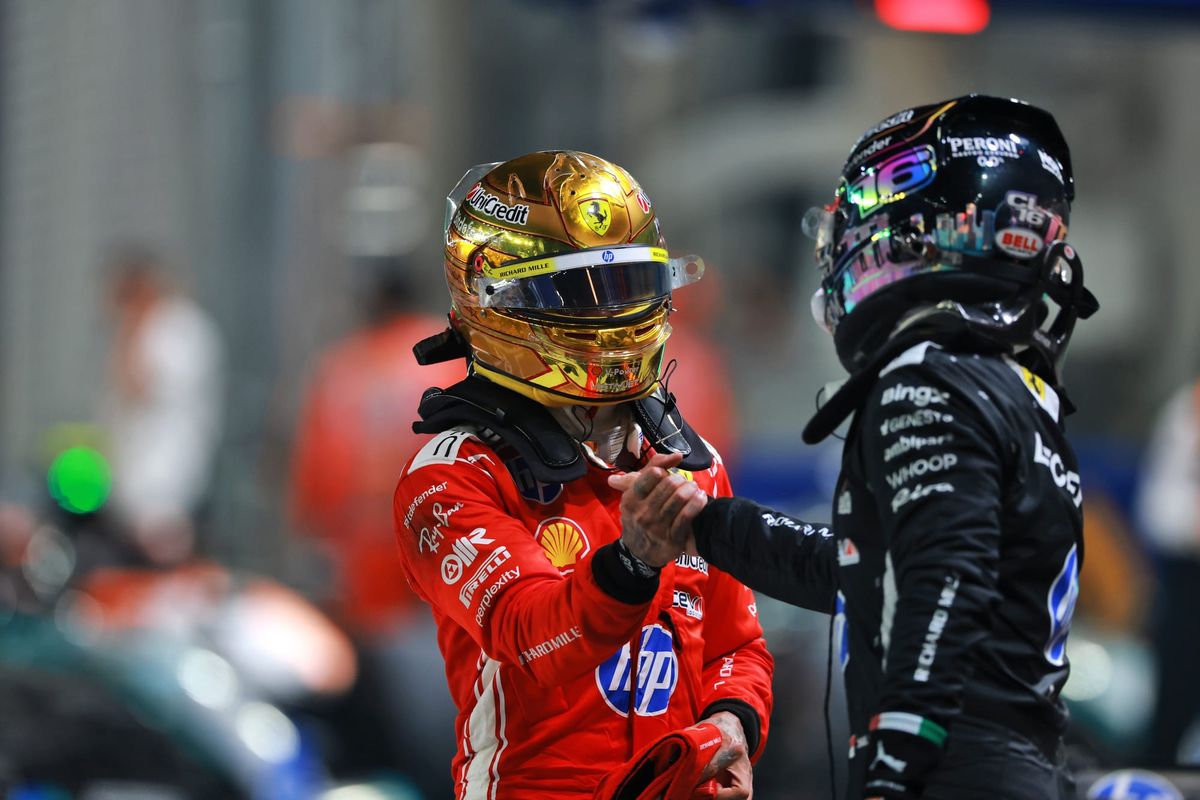
Singapore GP 2026 Qualifying: Winners and losers from pole night
A messy, pressure-cooked Singapore qualifying sorted the brave from the merely quick. The upgraded cars were there — the lap time still had to survive Marina Bay.
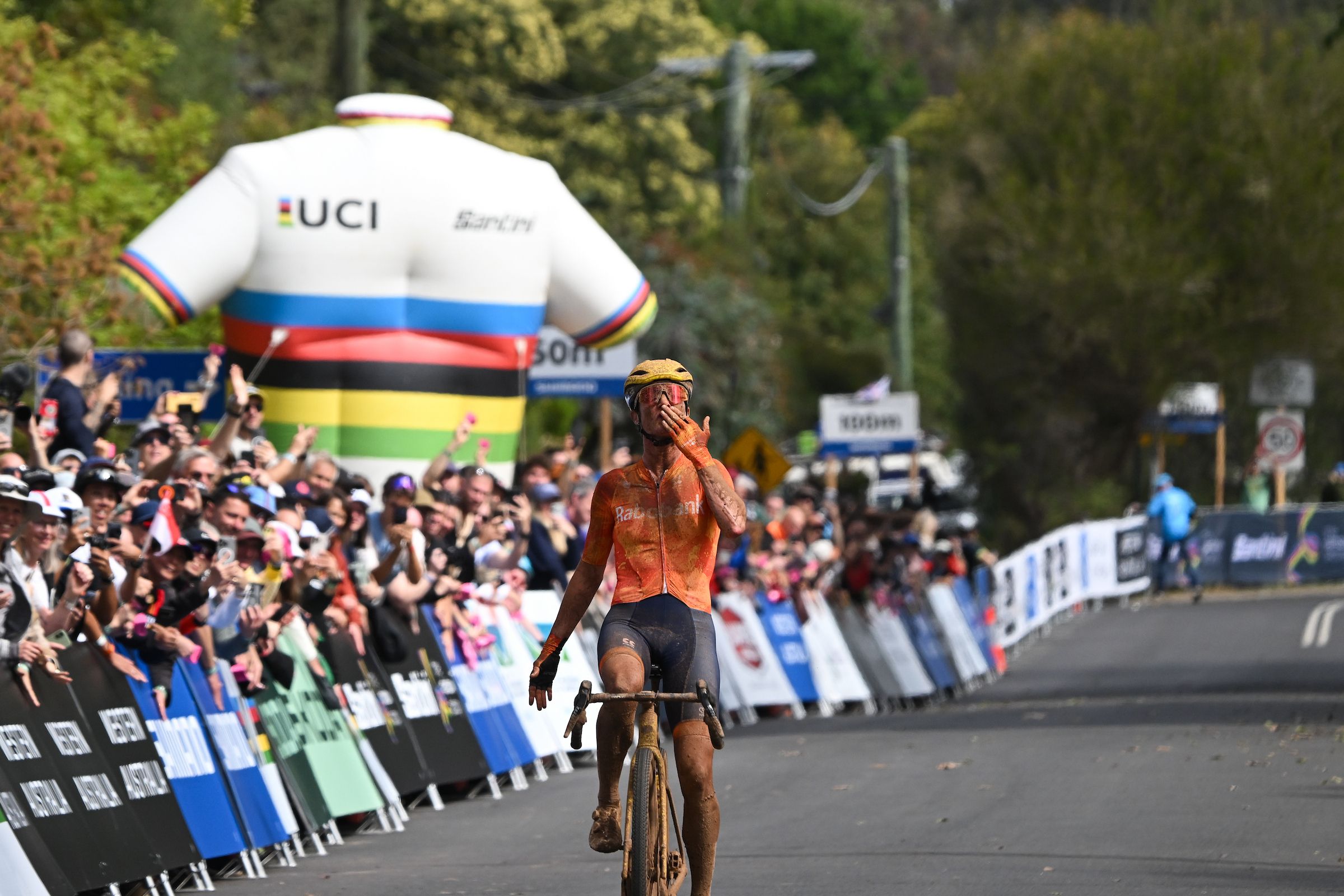
UCI Gravel World Championships: Dutch dominance rolls on in mud
A brutal, muddy gravel course and 3,179 meters of climbing still couldn’t pry the rainbow jersey away from the Dutch. Marianne Vos did what Marianne Vos does.