
F1 Singapore GP Starting Grid: Verstappen and Leclerc Lead Chaos
Penalties did the talking in Marina Bay. The grid looks cleaner than the strategy board will.
 Zane Miller5 min read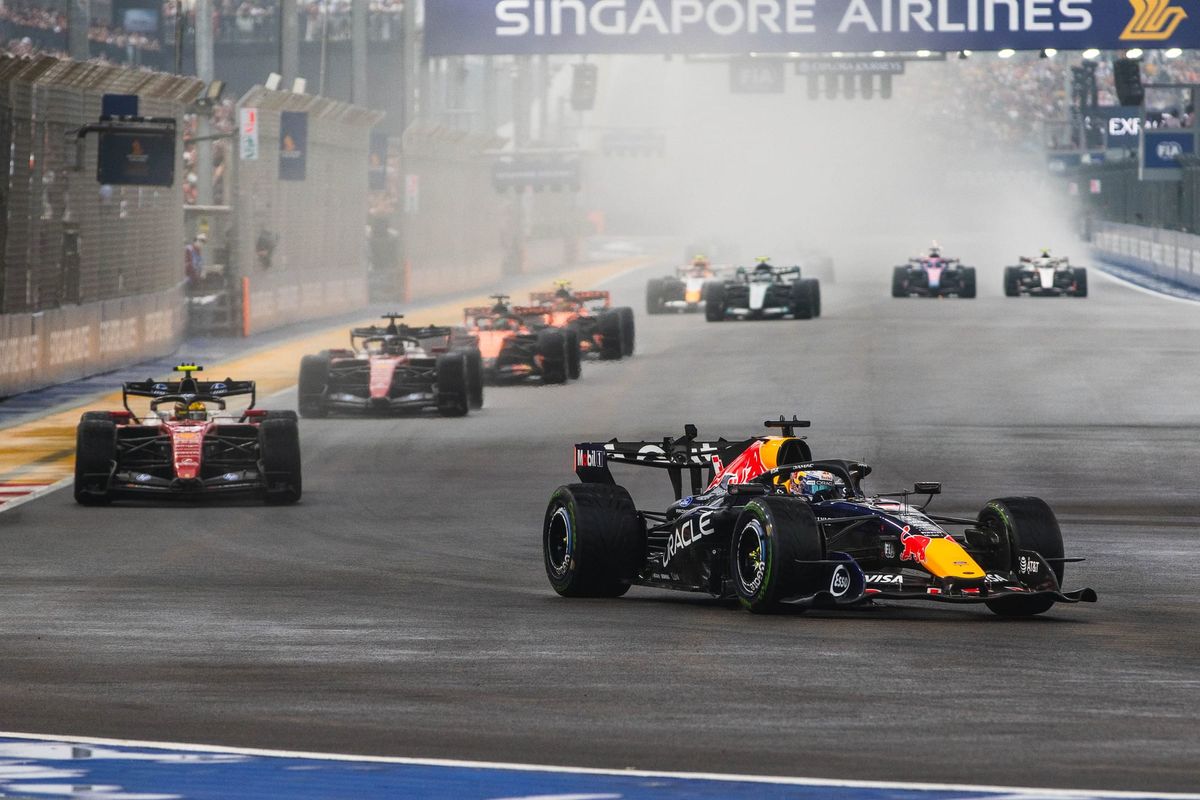
Max Verstappen and Charles Leclerc on the front row in Singapore is the headline. The real story is everything that got shoved behind them.
This Singapore Grand Prix starting grid is exactly the kind of late-weekend shuffle that reminds you how fragile modern Formula 1 order can be. A couple of penalties, three cars starting from the pit lane, and suddenly the cleanest-looking street-circuit grid in the sport turns into a live problem for strategists, engineers, and anyone trying to survive the opening lap at Marina Bay Street Circuit.
Verstappen and Leclerc get the cleanest launch pad
On paper, this is the best possible setup for the front-row pair. Verstappen in clear air. Leclerc alongside him. No traffic in front, no nonsense, no excuses. That matters in Singapore more than almost anywhere else on the calendar because passing is hard, track position is king, and the race often turns into a slow burn of tire management, safety-car timing, and pit-window roulette.
For Verstappen, this is the kind of grid spot that lets Formula 1 look boring for exactly five seconds before the race starts detonating around him. He does not need a miracle; he needs one clean launch and a steady rhythm. Leclerc, meanwhile, gets the sort of chance Ferrari has spent too many seasons wanting: a real front-row shot at a race where the pole-ish advantage can still matter even without the pole sticker.
The catch? Singapore does not reward wishful thinking. It rewards discipline. Whoever leads after Turn 1 has a real shot to control the race. Whoever slips into the midfield pack can spend 50 laps looking at rear wings and temperature numbers.
The penalties changed the race before it began
Grid penalties always create winners and losers, but in Singapore they create traffic jams. That’s the whole game. The back half of the field becomes a moving obstacle course, and the teams taking pit-lane starts have already accepted they’re playing damage control before the lights even go out.
That changes how everybody else races. The midfield can’t just think about pace; it has to think about survival. One messy launch, one overcooked move into the braking zone, and suddenly the car you were supposed to pass in three laps is still in front of you twenty minutes later because the strategy stack has shifted again.
This is where the grid gets interesting. A penalty at a venue like Singapore isn’t just a place drop. It’s a chain reaction. It changes DRS windows. It changes undercut timing. It changes who can afford to wait and who has to gamble early. And because the pit lane is already part of the story here, the teams starting from there are basically telling the field they’ll need chaos to cash in.
If you want the broader context, this is the kind of weekend that makes everyone in the paddock stare at the official sheet twice. It looks orderly. It is not. Same kind of hidden volatility you saw in other high-pressure weekends, like the ones we’ve been covering in F1 penalties and lineup shakeups — different sport, same roster math: once the order changes, the whole race changes.
In Singapore, the starting grid is less a lineup and more a warning label.
The midfield just became a survival zone
The front row gets the glamour. The midfield gets the anxiety.
That’s especially true at a street track where the walls don’t care how good your Saturday lap looked. Drivers starting in the middle now have to decide early whether to be aggressive or conservative, and that’s where races here get weird. Push too hard, and you get trapped behind a slower car. Sit back, and you lose contact with the group ahead. There’s no easy answer. There’s barely a good one.
Teams with compromised starts also have to think about long-game leverage. If a car is starting from the pit lane, its only path back is cleaner air and the right caution timing. That means everybody else has to keep one eye on the mirrors and one eye on the timing screen. The race can flip on a single Safety Car, and Singapore has a long memory for exactly that kind of thing.
The real pressure sits on the crews that built race plans around a standard launch order. Those plans are already half-dead. Singapore is not a venue where you can just “go plan B” and act casual. You end up burning through options fast.
What I’m watching from here
I’ve covered enough of these weekends to know the grid sheet is sometimes the least stable part of the day. The front row gives us the billboard version of the race, but the punishment usually comes from the rows behind it. One bad start, one overworked tire set, one botched pit call, and the entire shape of the evening changes.
My read: Verstappen and Leclerc have the kind of launch advantage that can make everybody else chase. But this is not one of those races where raw grid position automatically turns into control. The deeper lesson is that Singapore punishes anyone who thinks the order printed before lights out is the order that matters after Lap 10.
And that is why this grid matters beyond the usual pole-and-podium chatter. It tells us who gets the first clean shot, sure. It also tells us who is already racing from behind, who will have to improvise, and who needs a Safety Car to rescue the night.
That’s the Singapore script. The front row gets the spotlight. The chaos writes the ending.
Expect the first stint to decide who actually owns this race.
More from Straight From The Bench
Comments
Join the conversation — sign in to leave a comment.
Sign in to commentRelated Stories
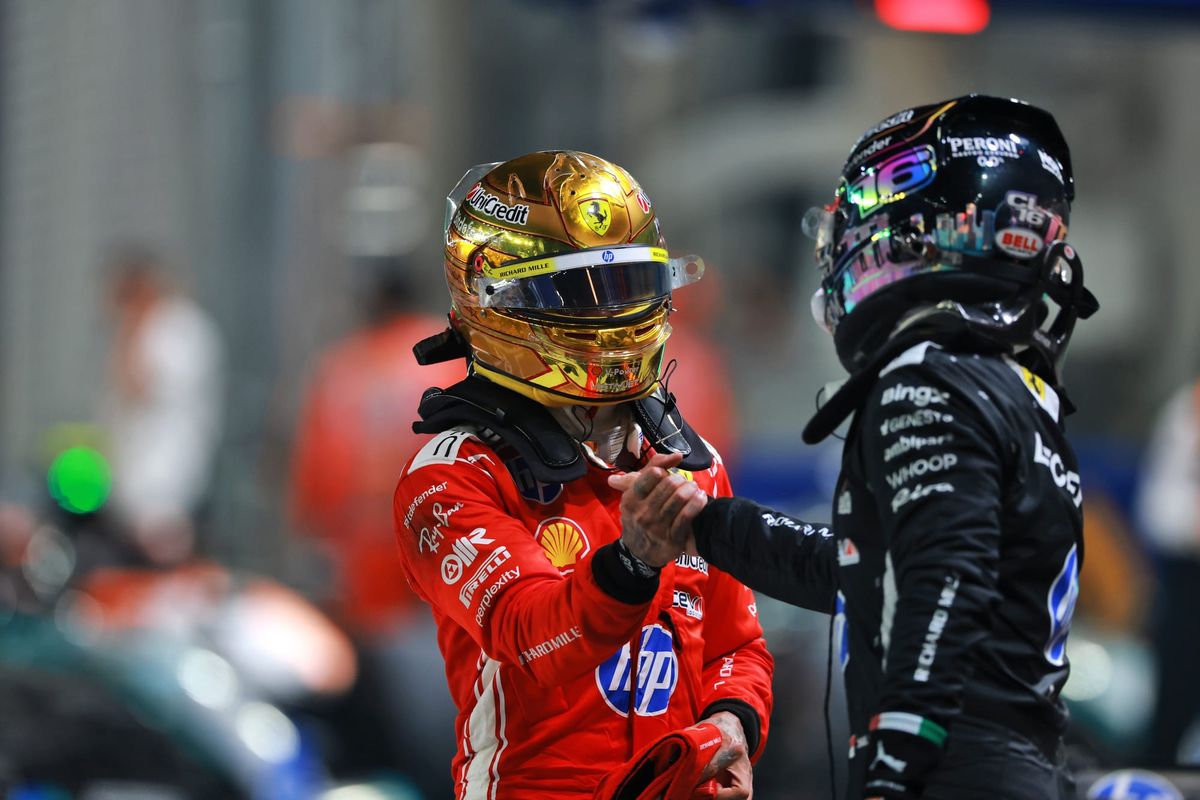
Singapore GP 2026 Qualifying: Winners and losers from pole night
A messy, pressure-cooked Singapore qualifying sorted the brave from the merely quick. The upgraded cars were there — the lap time still had to survive Marina Bay.
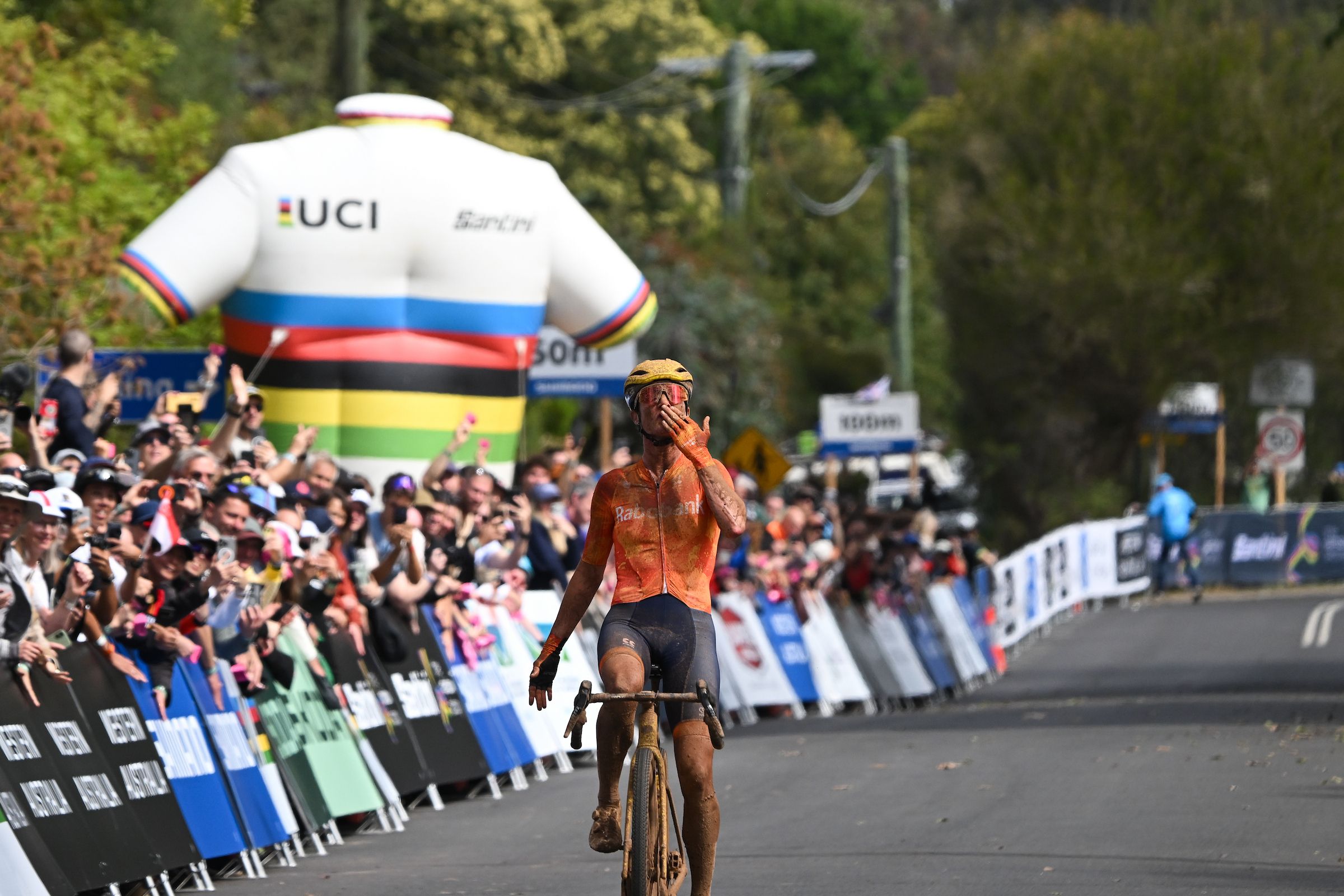
UCI Gravel World Championships: Dutch dominance rolls on in mud
A brutal, muddy gravel course and 3,179 meters of climbing still couldn’t pry the rainbow jersey away from the Dutch. Marianne Vos did what Marianne Vos does.
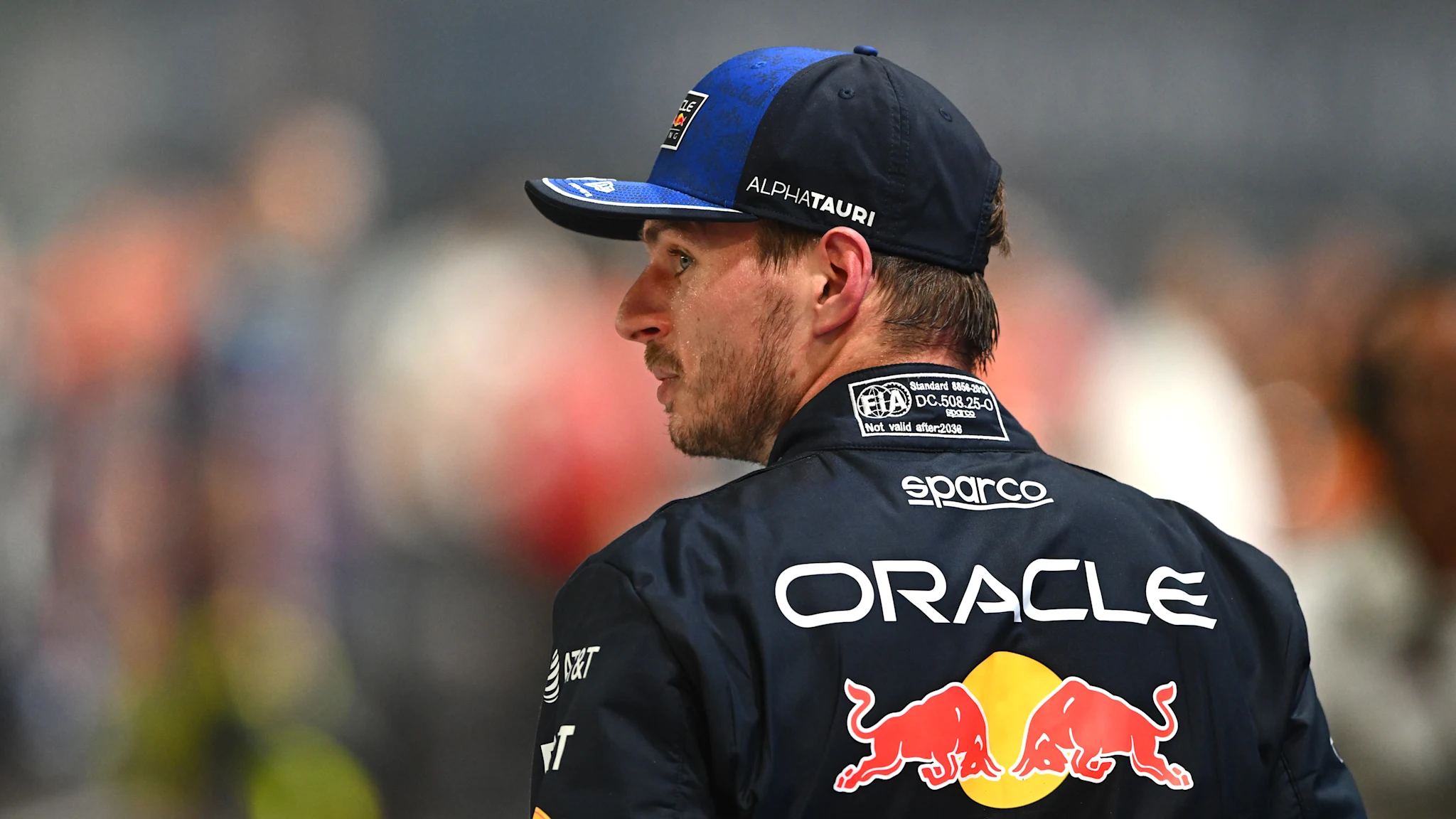
Max Verstappen Yellow Flag Verdict: No Grid Penalty in Singapore
Max Verstappen escaped a grid penalty after stewards reviewed a yellow-flag incident in Singapore sprint qualifying. The ruling keeps the championship pressure intact and the front-row arithmetic unch