Saquon Barkley Injury Update: Eagles Tried to Manage Hamstring
The star back isn’t just hurt — he’s forcing Philly to rethink how it runs its offense.
 Zane Miller6 min read
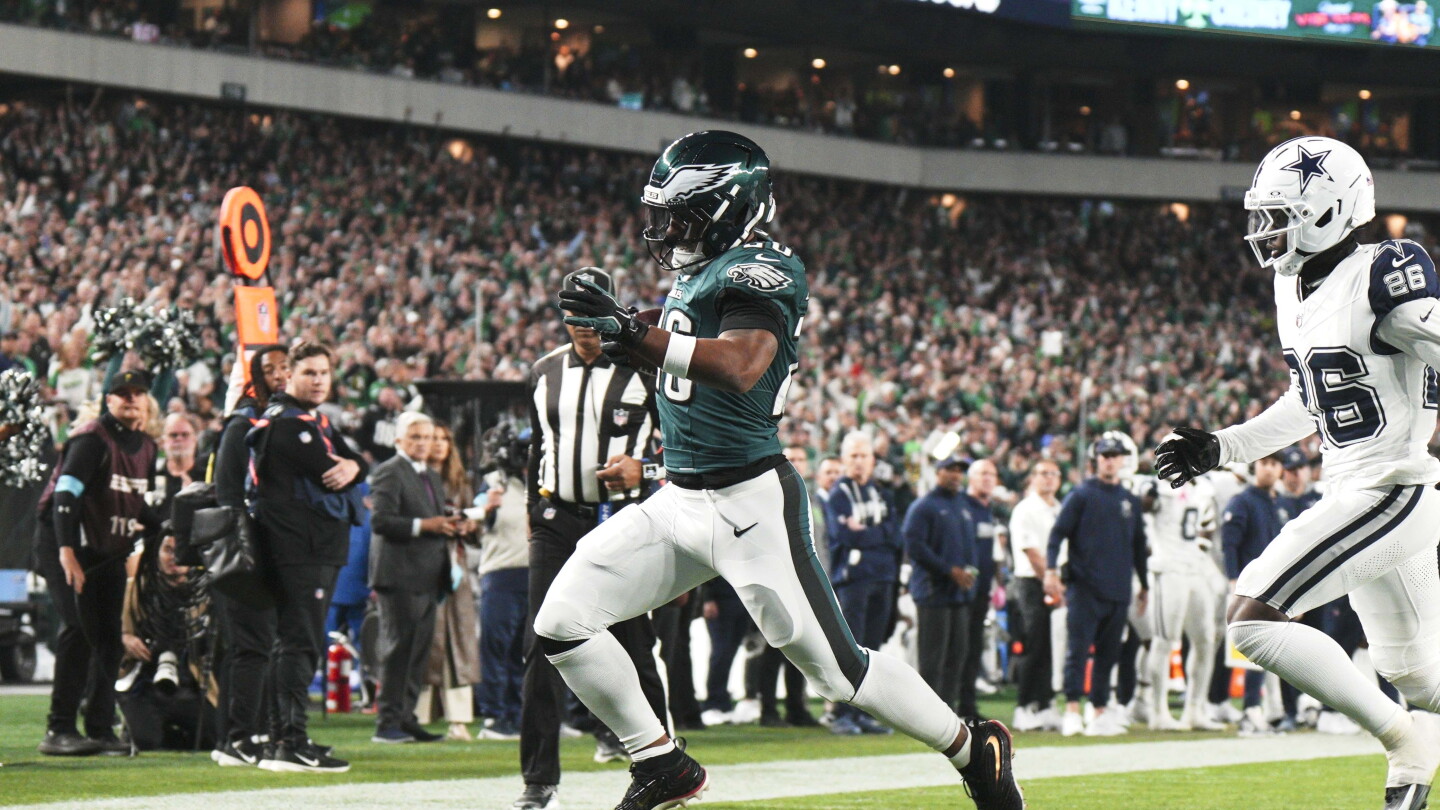
Saquon Barkley’s hamstring is no longer a one-off hiccup in the Philadelphia Eagles’ season. It’s a roster stress test.
Nick Sirianni’s line — “we tried to be smart with him” — tells you exactly where this is headed. The Eagles knew they were balancing usage, workload and risk after Barkley first hurt the hamstring on his opening carry in Week 4 against the Los Angeles Rams. He missed two games, came back, and then aggravated it on his first carry in Week 7. That’s the part that matters. Not just that he’s hurt. That the same issue flared up again the second they put him back in traffic.
The Eagles were already on thin ice with Barkley’s workload
This is the nightmare scenario for every contender with a high-volume running back. You can manage snaps, you can script touches, you can preach caution all week long. None of that matters if the first live rep turns into another setback.
Barkley is not some replaceable committee piece. He changes the geometry of the offense. Defenses line up differently when he’s in the backfield, and that has downstream effects on the passing game, the edges, and the quarterback’s comfort level. Take him off the field, and the whole machine gets less dangerous.
That’s why this isn’t just about a hamstring. It’s about the Eagles’ offensive identity. If they have to keep easing Barkley back in, or worse, keep waiting for him to get fully healthy and stay that way, they’re suddenly asking the rest of the run game to carry a load it wasn’t built to shoulder alone.
And yes, the timing stings. Philadelphia did not build its attack to be ordinary on the ground. They built it to stress defenses until they crack. Barkley is central to that design.
“We tried to be smart with him” says plenty
That’s usually the sentence teams say right before the injury situation gets more complicated.
Sirianni’s wording is doing a lot of work here. It’s careful. It’s protective. And it also hints that the Eagles knew the risk and still couldn’t fully avoid it.
That’s the modern NFL for you. Teams will manage soft-tissue injuries with all the science they can buy, all the monitoring they can invent, and all the optimism they can sell. Sometimes the body still says no. Hamstrings are especially brutal because they don’t always behave like a clean, one-time injury. They can linger, tighten, and blow up again without warning.
If you’ve been around this league long enough, you know the pattern. The team says it’s being cautious. The player says he feels good. The medical staff signs off. Then the game starts, the workload ramps up, and one sprint later everything changes. That’s why there’s real skepticism around “he’s close” talk until a player strings together meaningful snaps without a setback.
The Eagles are now living inside that skepticism.
What this means for the offense around Jalen Hurts
The ripple effect is obvious, even if the Eagles would rather not say it out loud. Without Barkley at full strength, the offense has to lean harder on Jalen Hurts to create answers on his own and on the passing game to stay ahead of the sticks.
That is not ideal in October, and it’s definitely not ideal against the better defenses that force you to win a possession at a time. Running games don’t just produce yards. They keep play-callers in rhythm. They keep third downs manageable. They keep pass rushers honest. When Barkley is unavailable or limited, the margin for error gets thinner fast.
Philly also has to think about the long game. If this is the kind of injury that gets poked every time he accelerates, then the Eagles are in a spot where “available” and “effective” are two very different things. That’s where teams get burned. They convince themselves a player is back because he’s in uniform, only to realize the production isn’t there and the injury risk never really left.
For a contender, that’s not a small problem. That’s a structural one.
The backfield depth chart becomes part of the story now
This is where the Eagles’ depth gets dragged into the spotlight. When a star back goes down, the backup role stops being a depth-chart note and turns into a weekly business decision. Who handles early downs? Who catches the checkdowns? Who keeps the offense from going dead on the ground when Barkley sits or gets limited?
If you’re Philadelphia, you also have to manage perception. Fans don’t want vague optimism. Coaches don’t want to admit caution has turned into limitation. But every practice rep now matters. Every report about how he moves matters. Every game-day decision matters even more.
This is the kind of injury situation that changes how a staff scripts the first quarter. It changes how aggressive they are on fourth down. It changes whether they trust the run game in tight spots. And it absolutely changes how opponents prepare.
I’ve seen this movie before with star backs on contending teams: the first instinct is to say the injury is manageable, then the second instinct is to protect the player from himself, and then the calendar starts working against everybody. That’s the trap. Once a player aggravates the same area, the team loses leverage. It can’t just call it rest anymore. It has to solve the performance issue and the durability issue at the same time.
My read? The Eagles are entering the part of the season where they’ll have to win more ugly than they planned. That doesn’t mean the ceiling disappears. It means the path gets narrower.
Philly’s next move is about patience, not panic
No one in that building is talking like this is a season-ender, and there’s no reason to jump there from the information on hand. But the urgency is real. The Eagles have to get Barkley right, not just get him back.
That distinction matters. There’s a difference between suiting up and being usable, and the NFL punishes teams that pretend otherwise. If the Eagles push too hard, they risk the same issue flaring up again. If they hold him back too long, they may be asking the rest of the offense to survive on fumes.
That’s the bind. And it’s a familiar one for contenders. The better you are, the more you need your stars healthy. The more you need your stars healthy, the more careful you become. Careful turns into cautious. Cautious turns into tentative. Tentative turns into a different offense entirely.
The next few days will tell us whether this is a short-term setback or the start of a longer management plan. Either way, the Eagles are feeling the pressure now. Barkley’s hamstring isn’t just a medical issue anymore. It’s part of the season’s storyline.
More from Straight From The Bench
Comments
Join the conversation — sign in to leave a comment.
Sign in to commentRelated Stories
Anthony Edwards Knee Surgery Update: Timberwolves Face Long Absence
Anthony Edwards is headed for knee surgery and could miss more than two months. For Minnesota, this is more than an injury update; it’s a test of identity.

NFL Power Rankings Week 8: Who's No. 1 After First Losses?
The 49ers and Chiefs took their first hits, and Week 8 is suddenly about more than records. Minnesota has a shot to grab the spotlight, but the top of the league is still a mess.
Seahawks Quenton Nelson trade: why Seattle made the right move
Seattle chose the boring-looking move that wins in January: Quenton Nelson. That’s how you build a team that can protect the quarterback and control the line of scrimmage.