
Scottie Scheffler on Bryson DeChambeau Rules Incident
The game’s best player draws a bright line between sharp play and shame.
 Beatrice Kensington5 min read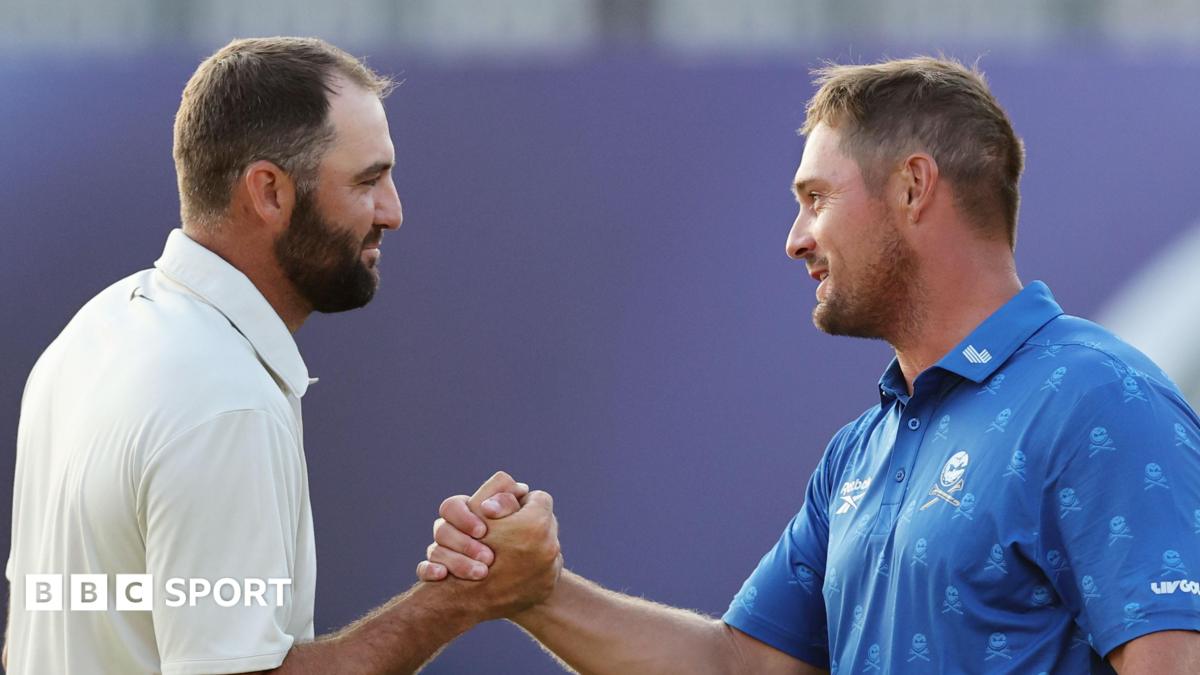
Scottie Scheffler did not sound like a man interested in pile-on theater. He sounded, instead, like the best player in golf trying to keep the sport from slipping into something smaller than itself. In the wake of the rules controversy that tainted the conversation around The Open Championship, Scheffler made the point plainly: Bryson DeChambeau is “definitely not a cheater.”
That line matters because golf, more than most sports, runs on reputation as much as it does on score. The rules are not ornamental in this game; they are part of the moral architecture. A player’s name can be stained by a single allegation, a single awkwardly televised decision, a single moment when a ball seems to move and the entire gallery leans in as if witnessing a confession. Scheffler’s intervention did not erase the incident. It did, however, refuse the easiest and ugliest reading of it.
A rules dispute that became a referendum
The dispute involving DeChambeau was supposed to live in the narrow, sometimes excruciating world of golf procedure: whether a relief area was used correctly, whether a ball was marked or replaced properly, whether the letter of the law had been honored. Instead, it spilled outward and picked up all the residue that modern sports controversies tend to collect — instant verdicts, social-media certainty, and the creeping assumption that every disputed moment must conceal bad faith.
That is where the story gets larger than one player. DeChambeau has spent years as golf’s most scrutinized experiment, the scientist, the showman, the man who can make a week feel like a laboratory and a circus at once. He invites suspicion because he invites attention. Scheffler, by contrast, carries himself like the game’s quiet center of gravity, the player most likely to win by absorbing chaos rather than manufacturing it. When a figure like Scheffler speaks, the words land differently. He is not defending a friend in a locker-room whisper. He is helping draw the line between an honest mistake, a judgment call, and a charge that should not be thrown around lightly.
The stakes here are not trivial. Golf’s credibility depends on the belief that its players police themselves before the cameras, before the officials, before the internet turns over every blade of grass. If everyone is a cheater the second a rules matter gets messy, then the game loses one of the few things that makes it distinct: the notion that integrity can survive pressure without needing a referee on every shoulder.
Scheffler’s voice carries because he has earned it
Scheffler is an especially weighty witness because he has become the sport’s model of steadiness, a man whose competitiveness is fierce but never theatrical. He has no obvious need to rush to DeChambeau’s defense except the oldest one in sports: fairness. And fairness, in golf, is not abstract. It is the difference between a player being remembered for how he competed and being permanently bracketed by suspicion.
This is also why the reaction to the incident felt so fevered. DeChambeau lives at the edge of golf’s identity crisis. He is bulk and biomechanics, YouTube-era charisma, a former villain who keeps trying on redemption in public. Some fans never fully forgave him for the excesses that came with his reinvention. Others have always wanted to see him as proof that golf can still make room for spectacle. A rules tangle gave his critics a fresh opening. Scheffler closed it a little.
Golf can argue about procedure without turning every disputed moment into a moral indictment.
That distinction is worth protecting, because once a sport loses the ability to separate clumsy from crooked, it starts feeding on itself.
What this says about golf’s culture right now
There is a broader anxiety humming underneath all of this. Golf has never been more visible, more monetized, or more vulnerable to the chaos of public opinion. The modern game lives in two worlds at once: the old one of whispered etiquette and the new one of viral accusation. A rules incident no longer stays in the scorer’s tent. It becomes a clip, then a hot take, then a character judgment.
I think that is part of why Scheffler’s response felt so useful. He did not ask anyone to love DeChambeau. He did something more mature. He asked the sport not to confuse friction with fraud. That may sound like a small distinction to outsiders. It is not. It is the difference between a competitive culture and a cynical one.
I have long believed that golf is at its healthiest when its best players act as custodians, not merely beneficiaries, of the game’s old compact. Scheffler understands this instinctively. He has the social authority of a champion, but he uses it like a man tending a fire in bad weather — not to dazzle, only to keep it alive. That is rarer than it should be.
And DeChambeau, for all the divisiveness surrounding him, remains one of the sport’s most consequential figures precisely because he forces golf to ask what kinds of personalities it can actually tolerate. If the answer is only the sterile and the spotless, the game risks becoming museum glass. If the answer is anyone who can compete honestly, loudly, and imperfectly, then golf still has some room to breathe.
The Open moves on, but the conversation lingers
The tournament will move on, as tournaments do. Another leaderboard will fill, another Sunday will arrive, and the public will mostly remember the names near the top and the shots that made them there. Yet the residue of this episode will hang around a little longer than that. It always does when trust is part of the dispute.
For now, Scheffler has offered something the sport needed: a measured public defense from the person best positioned to make it. Not absolution. Not spectacle. Just a firm refusal to let the ugliest interpretation become the default one.
That is worth more than a headline. And in golf, where character still travels as fast as a leaderboard, it may be worth quite a lot.
More from Straight From The Bench
Comments
Join the conversation — sign in to leave a comment.
Sign in to commentRelated Stories
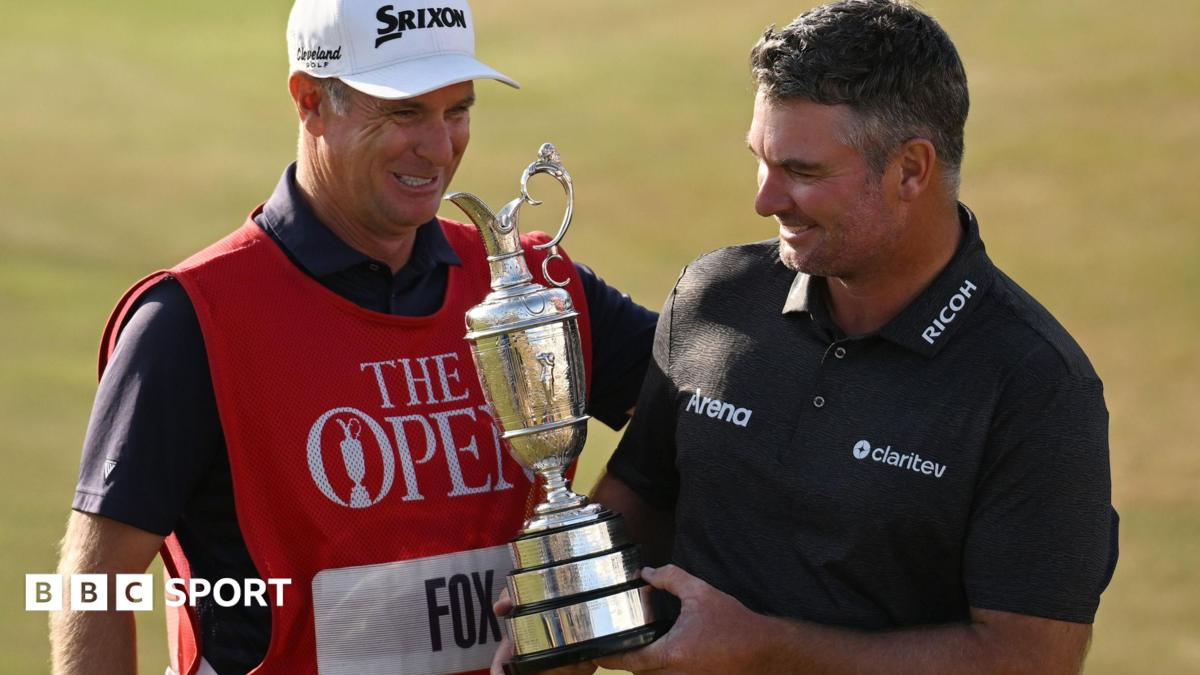
The Open 2026: Ryan Fox Wins at Royal Birkdale
Ryan Fox’s brisk, unsentimental golf carried him through a tense week at Royal Birkdale. Bryson DeChambeau brought the theater, but Fox brought the scorecard.
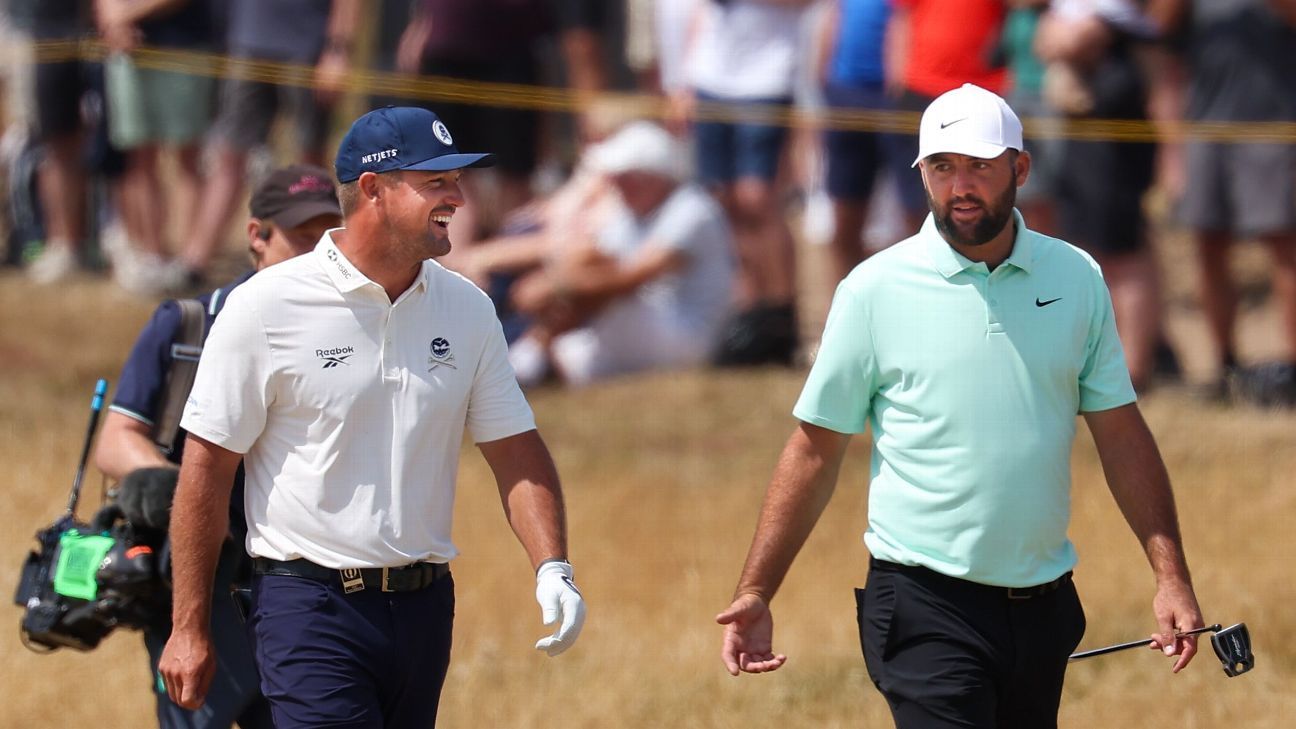
Scottie Scheffler on Bryson DeChambeau: not a cheater
Scottie Scheffler stepped in to defend Bryson DeChambeau and, in the process, exposed a bigger problem: golf’s rulebook means little if enforcement stays fuzzy.

The Open Championship: Ryan Fox wins first major at Royal Birkdale
Ryan Fox turned a career-long major tease into a Claret Jug he’ll keep forever. Royal Birkdale got a proper finish, and the leaderboard got humbled.