
Sophie Cunningham Politics Update: WNBA Star Stays in the Middle
She swatted down the labels, but the culture-war spotlight isn’t leaving the WNBA anytime soon.
 Zane Miller5 min read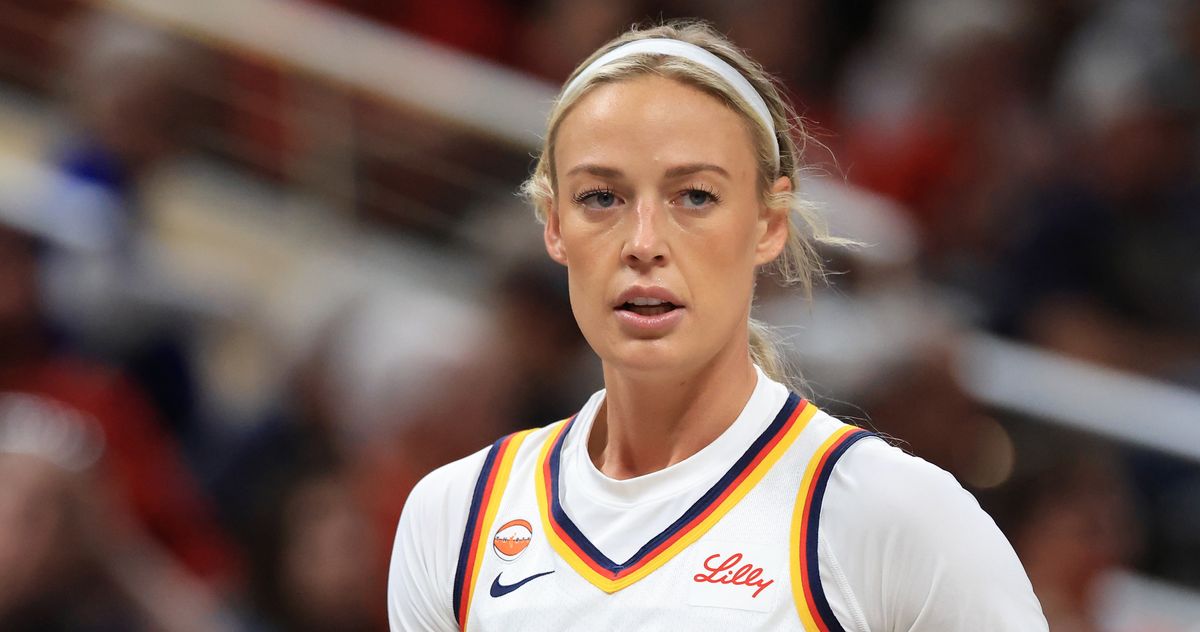
Sophie Cunningham just did what a lot of athletes try to do and almost never pull off cleanly: she tried to step out of the political box people keep shoving her into. The WNBA guard says she’s “very much in the middle,” and that line matters because the internet had already done what the internet does — picked a lane for her, filled in the blanks, and started talking like it knew the rest of the story.
This is bigger than one interview. Cunningham has been tagged with conservative assumptions for reasons that have less to do with policy and more to do with projection: white, from Missouri, outspoken, and not always eager to play along with the tidy branding machine. That’s how modern sports discourse works now. If you don’t clearly declare yourself, somebody declares you anyway.
The label game never really ends
Cunningham’s move here was part clarification, part boundary-setting. She’s pushing back on the idea that silence equals agreement, or that not screaming your politics from the rooftop means somebody else gets to write your platform.
That matters in the WNBA because this league has never been shy about culture, activism, and public identity. It’s one of the reasons the league has a loyal, vocal base — and one of the reasons every player’s words get overanalyzed to death. The moment an athlete touches anything adjacent to politics, the message gets flattened into a meme, then weaponized by people who were never listening in good faith.
Cunningham’s framing is also smart from a branding standpoint. Players don’t live in a vacuum anymore. They live in an ecosystem where sponsors, fans, teammates, and the comment-section militia all react instantly. “I’m in the middle” is not a coward’s answer. It’s a business answer. It keeps the aisle open.
Women’s sports has become a battlefield
The bigger flashpoint is obvious: she also said she wants to protect women’s sports from “biological men.” That’s where the room gets loud fast, because this issue sits right at the intersection of fairness, inclusion, policy, and raw emotion.
There’s no easy way through it, and pretending there is is how people end up talking past each other for months. Leagues, unions, and athletes have been forced to navigate the topic while balancing competitive integrity and access. That tension isn’t going away. If anything, it’s becoming one of the defining arguments in women’s sports.
The WNBA has always had to defend its space — from media indifference, from bad-faith critics, from people who only show up to police what the league says instead of watching the games. So when a player uses language that triggers one side and reassures another, the ripple effect is immediate. Teammates get asked. Executives get nervous. Sponsors start checking the temperature.
In women’s sports, every public sentence now gets treated like a referendum.
Why the middle is harder than the extremes
Here’s the part people miss: “the middle” is not a safe place anymore. Not online. Not in sports. Not in 2026 America, where every stance gets sorted into a tribe before the sentence is even finished.
Cunningham is discovering what plenty of athletes have learned the hard way — if you’re not a full-throated advocate for one side, you get accused of being against something. If you’re not fully aligned with the other side, you’re dismissed as a fraud. The center used to be where athletes could live. Now it’s where they get hit from both directions.
I’ve covered enough of these cycles to know the pattern. The first wave is the viral clip. The second wave is the overcorrection. Then come the think pieces, the hot takes, the outrage economy doing its little dance. And somewhere in there, the actual athlete gets reduced to a logo with a stance.
My read? Cunningham is trying to protect her own lane before somebody else defines it for her. That’s not weak. That’s survival. Athletes who become part of the permanent discourse usually don’t get to control the tone of that discourse for long. Once the machine starts, it eats nuance first.
The league will feel this beyond one interview
For the Sophie Cunningham moment, the immediate impact is less about roster construction and more about reputational gravity. Teammates won’t want the distraction. Front offices definitely won’t. The WNBA is growing fast enough that it can’t afford to let every controversial soundbite swallow a news cycle, but it also can’t pretend these conversations don’t shape how casual fans see the league.
That’s the trap. Women’s sports needs visibility, but visibility comes with scrutiny. The same platforms that amplify the product also amplify the noise around it. And in a sport still fighting for broader mainstream respect, the noise often gets more attention than the ball.
This is where the league’s long-term brand question gets interesting. Can the WNBA keep expanding while holding space for players with wildly different politics, backgrounds, and beliefs? It has to. The league gets stronger when it looks like America, not when it looks curated for one audience.
The smarter response from everyone involved is probably less grandstanding, more listening. Which is funny, because that’s the one thing social media almost never rewards.
Cunningham has put her stake in the ground: not left, not right, but not silent either. That alone is enough to keep this conversation alive. And in the WNBA, alive means more pressure is coming, not less.
More from Straight From The Bench
Comments
Join the conversation — sign in to leave a comment.
Sign in to commentRelated Stories
WNBA player safety: league, union confront abusive messages
The WNBA and its players’ union are talking directly about racist, hateful, abusive messages aimed at players. That’s not a side issue anymore. It’s part of the job the league has to solve.
Jonas Vingegaard Tour de France Injury Update: Visma Rallies
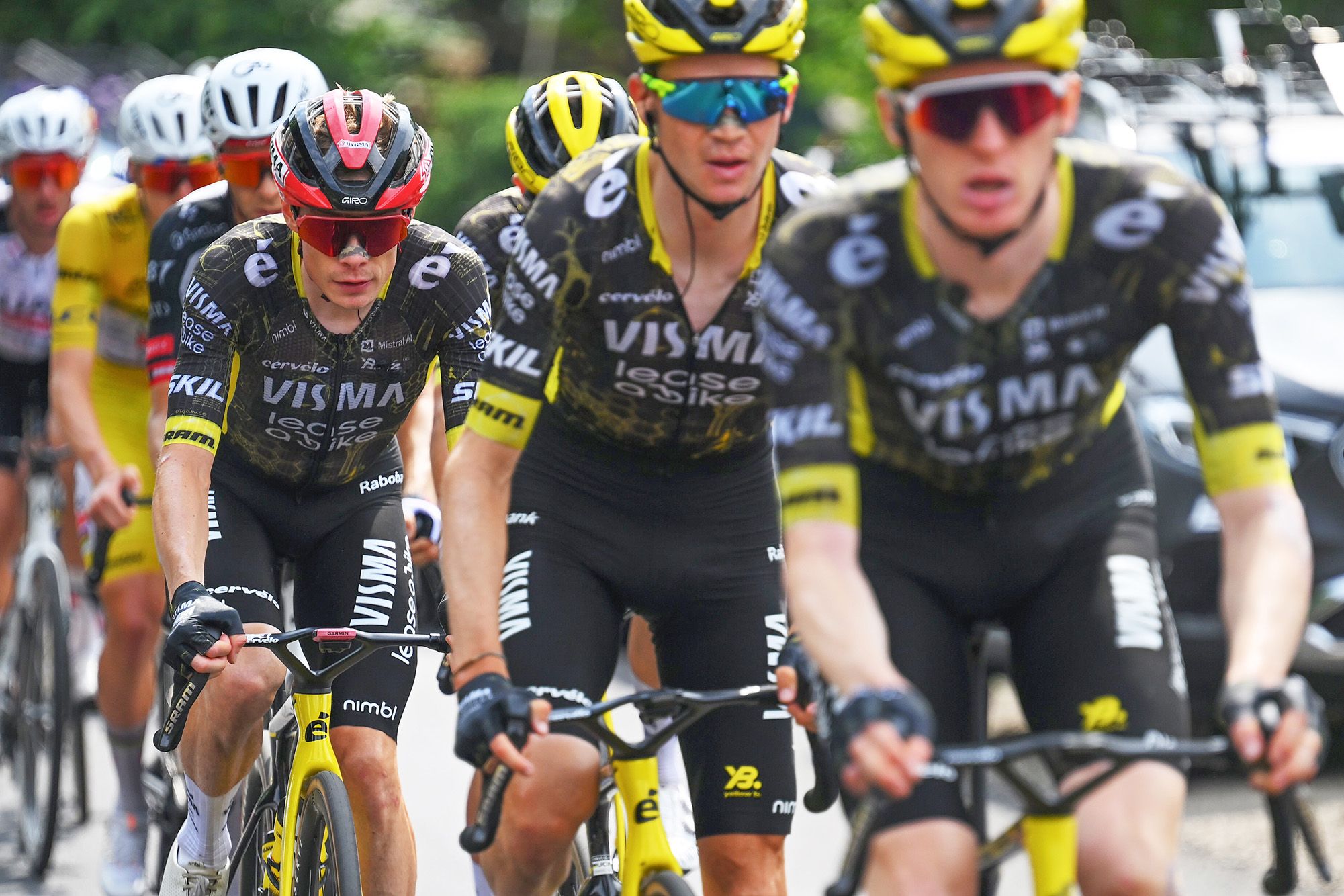
Vingegaard’s crash changed the Tour’s shape in an instant, but his farewell to Visma-Lease a Bike may prove just as revealing as his surgery.
Caitlin Clark WNBA 3-Point Contest: Decline Shakes All-Star Weekend
Caitlin Clark’s decision to pass on the WNBA 3-Point Contest is bigger than one empty spot. It dents an All-Star Weekend the league hoped would orbit her gravity.