
UFL relocation: Houston and Birmingham franchises on the move
The spring league keeps reshuffling its map — and this one is about survival, not sentiment.
 Zane Miller5 min read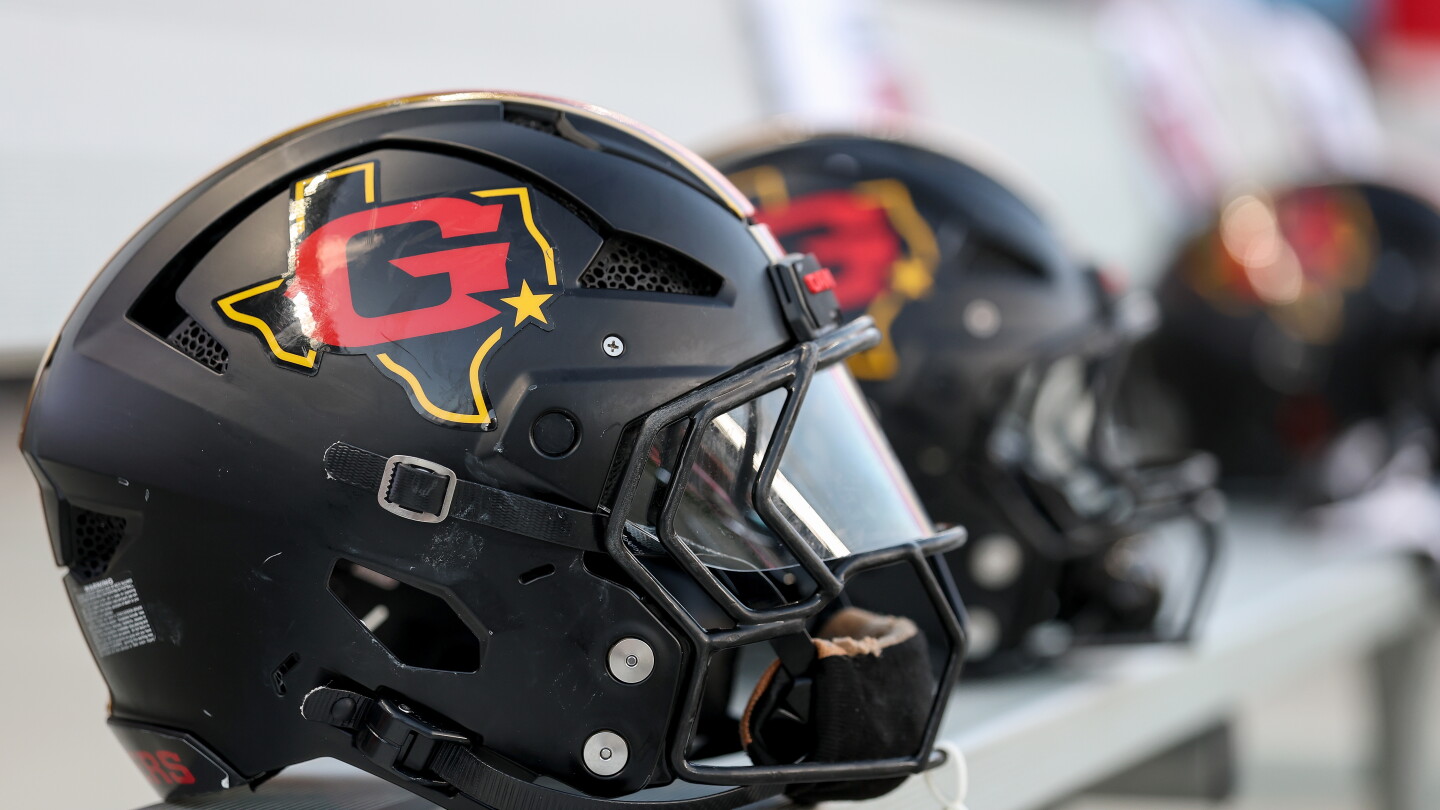
The UFL just made the kind of announcement that tells you this league is still in discovery mode. Houston is out. Birmingham is out. Two markets, two very different football identities, and one unmistakable message from the front office: sentiment does not pay the bills.
This is not a cosmetic tweak. This is a reset.
The spring-football business has always lived on thin margins, heavy travel math, and the brutal reality that not every good football town is the right football town for a modern spring league. You can love a fan base, respect a city, and still decide the spreadsheet says move. That’s where the UFL is right now.
Birmingham loses its anchor, Houston loses another swing
Birmingham was supposed to be the easy one to trust. The city supported the old Birmingham Stallions with real consistency, and it has long carried itself like one of the safest spring-football stops in America. The atmosphere, the familiarity, the local buy-in — all of it made Birmingham feel like a foundation piece, not a candidate for relocation.
That’s why this stings. If Birmingham can be moved, then nobody gets to call any market untouchable.
Houston is the more complicated case. The city has size, sports appetite, and a real pro-football history through the Houston Gamblers. It also has every problem a spring league hates: crowded pro-sports competition, a brutal entertainment calendar, and the constant fight to get noticed in a massive market that already knows how to ignore fringe property.
The UFL is clearly choosing operating efficiency over romance. That’s not the glamorous move. It may still be the smart one.
What this says about spring football’s business model
The modern spring-league playbook is simple in theory and messy in practice: keep costs down, keep the product visible, and build enough local identity that fans feel like they’re watching something real instead of a pop-up experiment. Easy to say. Hard to execute.
Relocation tells you the league believes the current footprint can be improved by changing the map, not just the roster. That matters. It means executives are treating geography as part of the product, the same way they would treat quarterback play or TV windows.
And let’s be honest — every spring league eventually hits this wall. The United Football League) is not just selling games. It is selling relevance in months when most fans are locked into the offseason habits they already trust. If a market isn’t moving the needle enough on attendance, buzz, or business efficiency, it gets revisited fast.
Spring football survives on margin, not nostalgia. The second a city stops making operational sense, it’s on borrowed time.
That’s the hard truth behind this move.
The executives are thinking like operators, not dreamers
Here’s my read, and it’s not a soft one: this feels like a league trying to get ahead of its own history.
I’ve watched enough of these launches and relaunches to know the pattern. Early on, everyone talks about legacy, regional identity, and expanding the game. Then the invoices arrive. Travel gets ugly. Venue economics tighten. Local interest becomes uneven. Suddenly the priority shifts from “where would this feel coolest?” to “where can we actually stabilize this thing?”
That’s the stage the UFL appears to be in now. And frankly, that’s healthy.
The leagues that last are the ones willing to admit the first version of the map was imperfect. The NFL took decades to settle into something close to its current national shape. The XFL and other spring efforts have learned the hard way that brand noise doesn’t automatically become business durability. The UFL is acting like a league that understands it cannot afford sentimental dead weight.
There’s also a roster effect here. Every relocation changes the pipeline for coaches, staff, sponsorship sales, and local partnerships. Players may mostly follow the uniform, but the people around them feel these moves immediately. If you’re trying to build an ecosystem rather than a one-off season, stability matters. So does clarity. This move says the league wants less drift and more control.
What to watch next as the new footprint takes shape
The next questions are obvious, and they’re the ones that decide whether this looks smart six months from now or just frantic.
First: where do the new franchises land, and do they bring cleaner stadium economics with them? Second: does the league get a sharper identity in the process, or does it just shuffle the deck chairs? Third: how do fans in Birmingham and Houston respond? Because if spring football has taught anybody anything, it’s that the emotional damage from relocation is real, even if the business case is cleaner.
The league also has to prove this is part of a plan, not a panic button. If the new cities deliver better attendance balance, simpler travel, and stronger local engagement, then this will look like a disciplined correction. If not, every future announcement gets harder to trust.
For now, the message is blunt: the UFL is still building the machine while it runs.
That’s messy. It’s also honest.
And honest is a lot better than pretending every market choice was perfect the first time.
The next reveal will tell us whether this was a cleanup or the start of a bigger shakeup.
More from Straight From The Bench
Comments
Join the conversation — sign in to leave a comment.
Sign in to commentRelated Stories
Seattle Storm Suspension: Celeste Keaton Fan Incident Fallout
The WNBA moved quickly after a Storm co-owner confronted fans. Now the punishment is about more than one night in Seattle.
Seattle Storm Suspension: Celeste Keaton fined after fan incident
Celeste Keaton is facing a five-game home suspension after an ugly fan incident tied to Sophie Cunningham. The league’s message was loud: behavior around the game matters now.
Seattle Storm fan allegations: ownership apology after confrontation
The Storm’s apology was more than damage control. It was a reminder that women’s basketball now lives in the glare of culture-war crossfire.