
Hannah Rapp Death: Arrest in Brazos County Manslaughter Case
A brutal roadway decision turned a traffic stop into a fatal crime scene.
 Zane Miller5 min read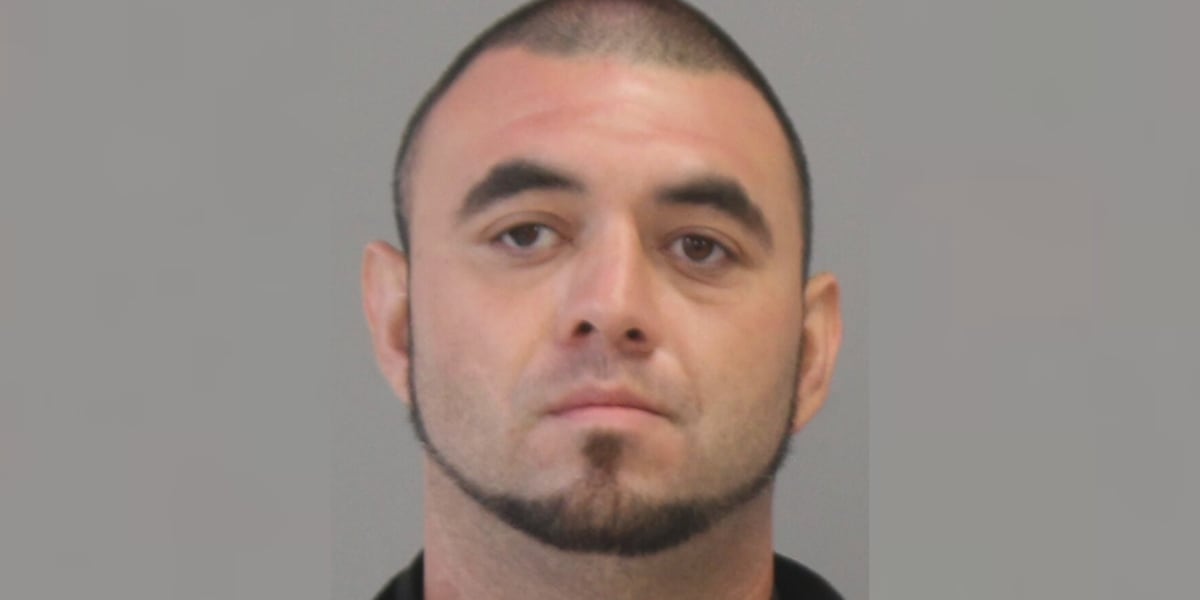
A roadway move that changed everything
A man is in custody after Brazos County deputies say he stopped in the roadway, shifted into reverse, and accelerated backward into bicyclist Hannah Rapp on FM 159. That sequence matters. This is not being framed as a random crash. The arrest points to a decision made in the middle of the road, with another human being directly behind the vehicle when the driver hit the gas.
That distinction is the whole story now. Texas roadside cases can move fast from negligence to criminal liability when investigators believe a driver’s conduct crossed the line from careless to reckless or worse. Manslaughter charges are not handed out for bad luck. They’re tied to the allegation that someone’s actions created a deadly risk and someone died because of it.
For cyclists, this lands like a gut punch. FM roads already leave riders exposed; there’s no buffer, no steel cage, no margin for a driver who acts first and thinks later. One bad maneuver is enough. Reverse gear makes this even uglier because it turns a vehicle into a blunt-force hazard in a space where a bicyclist has almost no chance to react.
Why the manslaughter charge matters
A manslaughter charge tells you investigators think this was more than a tragic accident. In Texas, that is a meaningful threshold. Prosecutors are signaling they believe the driver’s conduct was reckless enough to meet the criminal standard, not just civil liability or a traffic citation.
That changes the stakes for everyone involved. The defense will likely focus on intent, visibility, positioning, and what the driver knew or should have known in those seconds before impact. The state, meanwhile, will look hard at the mechanics of the stop, the reverse, and the acceleration backward. In cases like this, timing is everything. So is the road layout. So is whether there were witnesses or vehicle evidence that backs the deputies’ account.
And yes, the victim’s identity matters here. Hannah Rapp was not just a name in a report. She was a bicyclist on a roadway where she had every right to be. That’s the part the public keeps coming back to in these cases: not abstract traffic law, but a person riding a bike and a driver making a catastrophic choice.
One violent second in reverse can erase every argument about “I didn’t mean to.”
What this says about cyclist safety in Texas
Texas has spent years living with the tension between fast-moving road culture and vulnerable road users. Cyclists remain the easiest people to overlook and the hardest to protect once danger is already in motion. This case sits right in that ugly overlap.
There’s a reason these deaths keep hitting such a nerve. The infrastructure gap is real. Rural and suburban corridors often give drivers the room to make mistakes at speed and give cyclists nowhere to go when that mistake happens. The law can punish after the fact, but it can’t restore the split-second advantage a car always has.
If you follow these cases long enough, you notice the pattern: the public hears “accident” and moves on; investigators hear the details and start asking whether a human decision made the outcome inevitable. That’s where this one appears to be heading. The arrest is the first public sign that law enforcement sees a case strong enough to move beyond grief and into prosecution.
The bigger picture for prosecutors and families
I’m going to be blunt here: these are the cases that test whether our system treats roadway deaths with the seriousness they deserve. Too often, a deadly driving incident gets softened by language that makes it sound like nobody owned the moment. But reversing into a bicyclist after stopping in the roadway is not some fuzzy, unavoidable chain reaction. It’s a sequence prosecutors will almost certainly try to simplify for a jury: stop, reverse, accelerate, death.
As Texas cycling safety debates go, the emotional stakes are obvious. The legal stakes are just as real. Families want accountability. Prosecutors want a clean theory of the case. And the defense will almost certainly push hard on everything from driver awareness to accident reconstruction.
I’ve seen plenty of traffic-related criminal cases where the facts look messy on day one and tighten up fast once the evidence starts talking. This one already feels different because the alleged motion of the vehicle is so direct, so avoidable, and so destructive. Backing up into a bicyclist is not a gray area to the people left behind.
The arrest also raises the pressure on local officials to be precise and public with what they know. The next round of updates will matter: charging documents, reconstruction details, witness accounts, and whether anything from the vehicle or roadway confirms the deputies’ version. Those are the pieces that decide whether this becomes a straightforward manslaughter case or something messier for both sides.
What comes next in the case
For now, the custody part is only the opening bell. The real fight starts when the facts get filed, tested, and argued in court. If investigators can prove the reverse and acceleration were conscious choices in a space occupied by a bicyclist, this case gets heavy in a hurry.
The broader lesson is harsh but simple. Drivers do not get to treat a roadway like a private maneuvering lane when other people are already in it. Cyclists live with that vulnerability every day. The justice system now has to decide how hard it wants to answer for it.
More details will surface fast. And when they do, this case will tell us a lot about how Texas handles the line between a mistake and a manslaughter charge.
More from Straight From The Bench
Comments
Join the conversation — sign in to leave a comment.
Sign in to commentRelated Stories

Hannah Rapp Death: Rising Boxer Killed in Texas Bicycle Crash
Hannah Rapp was building a life in boxing, then a rural Texas road took it away. The details are chilling, and the void is bigger than one athlete.
Temi Fagbenle WNBA Suspension: Sandy Brondello Remark Fallout
Temi Fagbenle backed Sandy Brondello after the suspension tied to the Angel Reese “protected species” comment, and the timing tells you plenty about today’s WNBA.

Angel Reese Suspension: Sandy Brondello’s WNBA Remark Stirs Heat
Sandy Brondello’s protected-species comment about Angel Reese lit up the WNBA’s group chat economy. The punishment was quick, the debate even quicker.