
Seahawks trade for Quenton Nelson: Seattle bets on muscle
A heavy-handed move that says the Seahawks are done asking politely.
 Beatrice Kensington6 min read
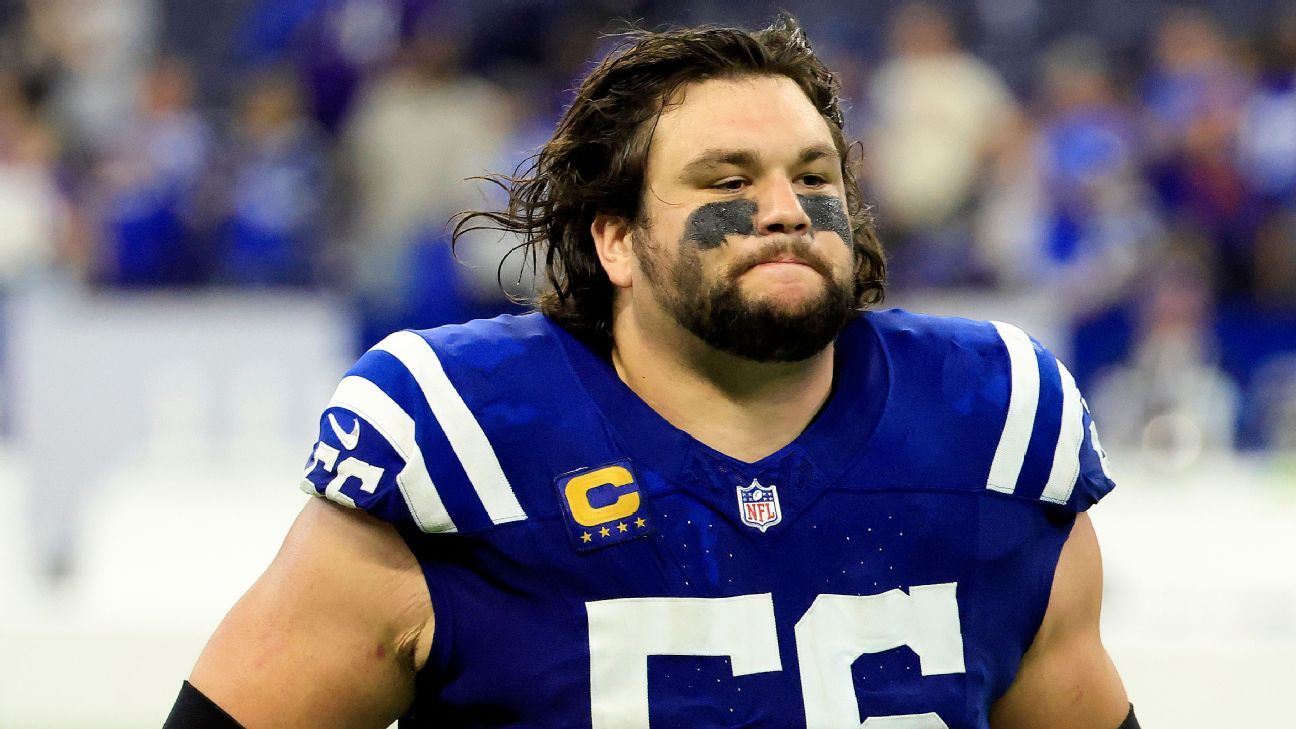
Seattle has spent years searching for the kind of interior force that changes a meeting point in the second level, the kind of lineman who makes linebackers flinch and running backs breathe easier before the ball is even snapped. Now the Seahawks have gone and found one. The trade for Quenton Nelson is not merely a personnel move. It is a declaration that the club intends to stop being a team that hopes for leverage and start being one that takes it.
The compensation tells its own story: a 2027 third-round pick and a 2028 fifth-rounder, the sort of draft capital teams part with when they believe the present window is worth more than distant possibility. Seattle did not empty the cupboard. That matters. But the real price here is philosophical. By acquiring an eight-time Pro Bowl, three-time All-Pro guard from the Colts, the Seahawks are betting that one elite interior player can change the shape of an offense in the same way a lighthouse changes the way ships move through dark water.
Seattle has been chasing this kind of edge for years
The Seahawks have lived too often in the middle ground: dangerous enough to threaten, not sturdy enough to dominate. Their identity in recent seasons has tilted toward speed, skill, and improvisation, the glamorous trappings of modern football. But glamour rarely survives first contact with a cold Sunday in November when the game turns on a short-yardage snap, a muddy pocket, or a backfield collision that should have been prevented three steps earlier.
Nelson is the sort of player who can alter that arithmetic. He is not a luxury for a team with everything else in place. He is a stabilizer, a tone-setter, a blocker whose value shows up not only in pancake blocks and clean pockets but in the confidence he lends to everyone around him. Quarterbacks trust their feet more. Running backs commit faster. Centers can sleep a little easier at night.
That is the hidden dividend of a move like this. It is not only about one player’s résumé. It is about what happens to the rest of the offense once a front office finally acknowledges that brute force still matters. The Indianapolis Colts are saying goodbye to a foundational piece, and teams do not move foundational pieces unless the long view has changed or the finances have begun to squeeze. Seattle, meanwhile, is buying certainty. Rare commodity.
What Nelson changes inside the tackle box
A guard of Nelson’s caliber does not merely improve the run game; he changes how defenses call it. Safeties cheat less aggressively. Linebackers hesitate a fraction longer. Defensive coordinators who were content to overload a weak interior have to redraw the map. That may sound like a small thing. It is not. NFL games are often won in the small things, in the invisible pressures that alter a play before it has even begun.
For Seattle, the most obvious beneficiary is the run game, where violence at the line of scrimmage can turn ordinary carries into a steady, grinding form of control. But the pass game benefits just as much, perhaps more. Interior protection is the spine of offensive football. Edge rushers get the headlines, but the pressure that collapses a quarterback’s mechanics often comes from the middle, where a guard loses half a step and the whole structure begins to lean.
The Seahawks have occasionally looked like a team built to sprint but not to endure. Nelson suggests a new ambition. He suggests they want to be able to win in December the same way they win in September, with a body blow and then another one, until the opponent starts checking the sideline with tired eyes.
This is the kind of move that pairs neatly with the hard-nosed roster questions already swirling around the league, the same ecosystem that has made Jonathan Taylor trade update: Colts owner wants to keep him and Saquon Barkley Injury Update: Eagles Tried to Manage Hamstring such revealing stories. The running back conversation may grab the spotlight, but every one of those discussions is really about line play, workload, and whether a team is serious about winning the battle up front.
A great guard does not just block for a plan. He imposes a different one.
The Colts are cashing out, and that tells us plenty
There is always a cultural cost when a team parts with a star in his prime, especially one who has been synonymous with toughness and reliability. The Colts are not simply moving a lineman; they are releasing a piece of organizational memory. Fans understand this instinctively, which is why trades of this sort can feel colder than they look on a spreadsheet.
Yet the league rarely rewards sentiment. Front offices live in the hard weather of cap math, roster timelines, and the uncomfortable question of whether a contender can afford to keep elite talent everywhere at once. If Indianapolis is stepping back from one timeline, Seattle is stepping forward into another.
I have long believed that the most revealing trades are the ones that do not feature a quarterback. Those are the moves that expose a team’s private beliefs about itself. Quarterback trades are easy to romanticize because the position sits under such bright light. But an elite guard trade tells you something more intimate. It tells you whether a franchise believes football is still a trench game at heart, or whether it has convinced itself that the line is a technical detail.
Seattle has answered that question here, and I think it has answered it wisely. The league spends so much time applauding finesse that we sometimes forget how often the oldest truths remain undefeated: protect the passer, move bodies in the run game, and make the other team feel your will for four quarters. Nelson gives the Seahawks a chance to do exactly that. Not maybe. Not eventually. Now.
What to watch next in Seattle
The immediate questions are practical ones. Where does Nelson line up, how quickly does he integrate into the system, and how much does his presence allow the Seahawks to broaden their menu on early downs? If Seattle is serious about using this trade to reshape its identity, the coaching staff will lean into it fast. The ball should run behind him. The protection calls should reflect him. The offense should start looking a little less like an aspiration and a little more like a threat.
This also puts pressure on everyone else in the building. A move of this size changes expectations. It tells the locker room that the standard has shifted from competing to controlling, from surviving to dictating. That is a heavier burden, but it is the burden good teams eventually ask to carry.
Seattle has made a bet on sturdiness. On force. On the kind of player who can make a good offense feel inevitable.
Now comes the part where the Seahawks have to prove they understand what they bought.
More from Straight From The Bench
Comments
Join the conversation — sign in to leave a comment.
Sign in to commentRelated Stories

NFL Power Rankings Week 8: Who's No. 1 After First Losses?
The 49ers and Chiefs took their first hits, and Week 8 is suddenly about more than records. Minnesota has a shot to grab the spotlight, but the top of the league is still a mess.
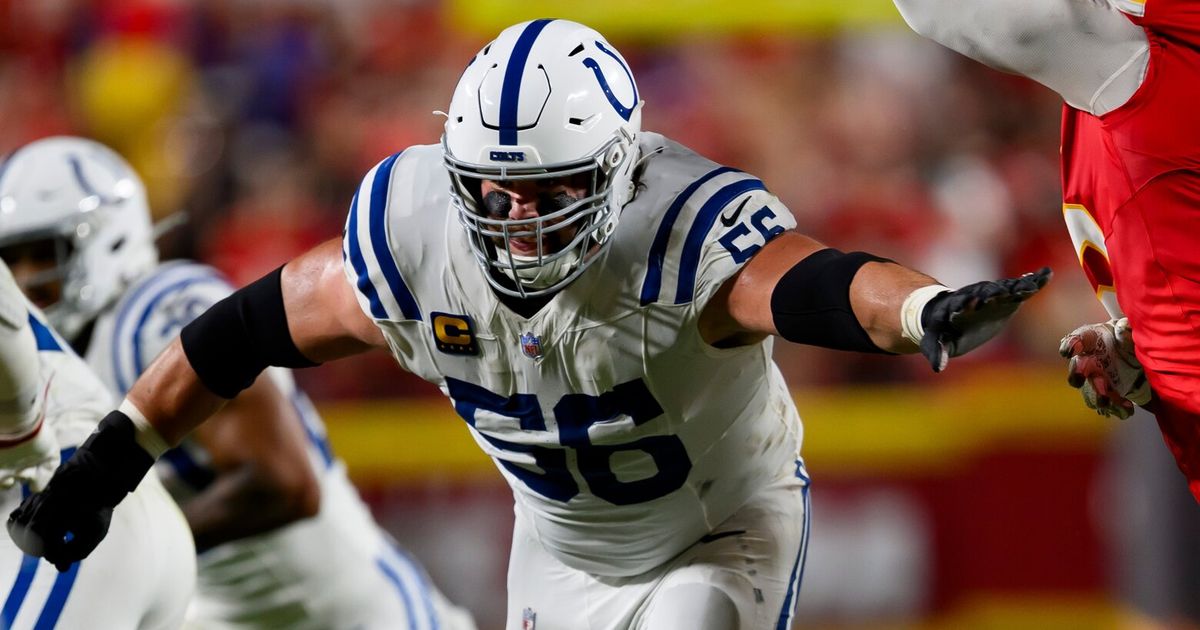
Seahawks Quenton Nelson trade: why Seattle made the right move
Seattle chose the boring-looking move that wins in January: Quenton Nelson. That’s how you build a team that can protect the quarterback and control the line of scrimmage.
Jonathan Taylor trade update: Colts owner wants to keep him
Jonathan Taylor stays at the center of the Colts' mess, but ownership reportedly wants to keep him. That changes the temperature, not the argument.