
IndyCar Freedom 250 Future: Washington D.C. Event Gets Second Look
A one-off with a crowd and a smell of money rarely stays a one-off.
 Leo Lupo6 min read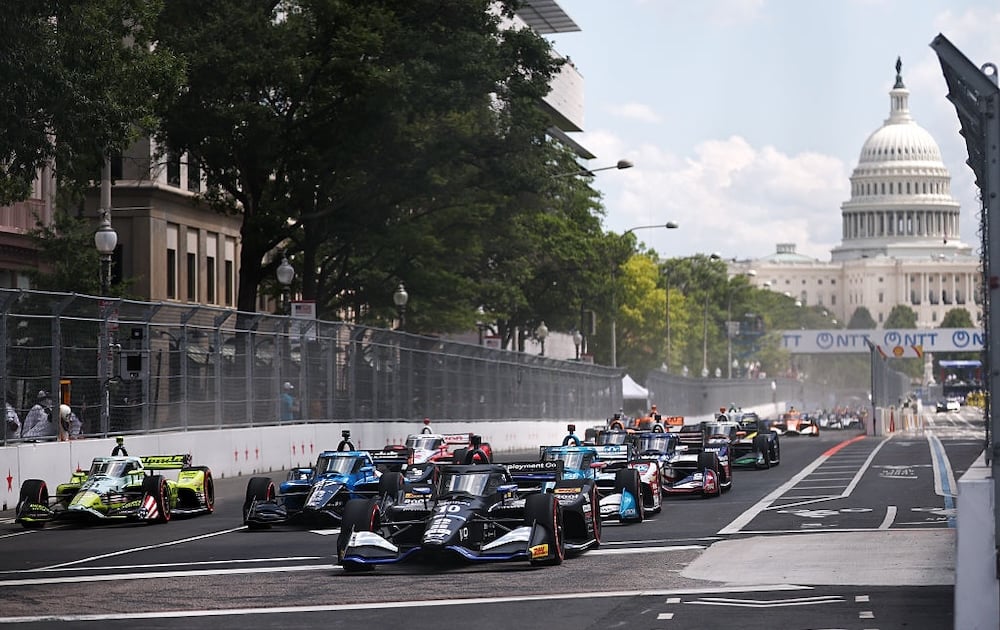
The Freedom 250 was supposed to be a fireworks-only affair: loud, expensive, and gone before anybody had time to argue about next year. That’s how these civic showcase races usually go. A pile of money gets shoveled in, the cameras roll, the politicians smile for the photo op, and then everybody goes back to pretending the bill wasn’t real. But once the check’s been written and the grandstand noise has cleared, the conversation changes. If a Washington, D.C. event can pull off the kind of spectacle IndyCar just staged, somebody in a suit is going to ask the obvious question: why burn it down after one lap when there’s still fuel in the tank?
A one-off that didn’t feel like a throwaway
The Freedom 250 was billed as a once-in-a-lifetime race, and that part was never hard to believe. Untold millions went into it. A truckload of effort, a mountain of logistics, and 100,000 free tickets handed out like candy at a parade. That is not how anybody builds a nice, neat, sustainable motorsport property. That is how you stage a statement.
And statement made, now the grownups get involved.
IndyCar has long had a habit of proving it can put on a show and then struggling to bottle the moment. That’s been true for decades, from temporary street circuits to one-off exhibitions that make everyone feel important right up until the invoices arrive. This event had the look of something born to vanish. But once a race proves it can capture attention in a city that matters politically, commercially, and symbolically, the “one-and-done” label starts to look less like a plan and more like a negotiation tactic.
For a series that still has to fight for every sliver of mainstream oxygen, the IndyCar Series can’t afford to shrug at interest. If the Freedom 250 got people talking beyond the usual racing circles, that counts. In this racket, attention is currency. Always has been.
The money question is the whole ballgame
Let’s not kid ourselves. The future of the event won’t be decided by romantic talk about patriotism, civic pride, or how pretty the cars looked against a Washington backdrop. It’ll be decided by numbers with commas in them. Who pays? Who benefits? Who absorbs the risk if the novelty wears off?
That’s the ugly little seam running through every “special” race. The first year is easy enough if enough people want the ribbon-cutting. The second year is where the knives come out. Track rental, safety barriers, staffing, traffic control, promotion, city cooperation, sponsor commitments — all of it starts looking less like celebration and more like a ledger.
And yet this is exactly why the event might have a shot. Washington is not some sleepy market where a race has to beg to be noticed. It’s the capital. It’s the place where corporate types, lobbyists, power brokers, and TV people all cross paths pretending they’re not in the same business. If a race can survive anywhere as a high-end, highly managed spectacle, it’s there. The trick is whether the organizers want a prestige event or a headache with grandstands.
One clean sellout makes people curious; one clean profit makes them dangerous.
That line will probably ring true somewhere in a meeting room before this is over.
What this means for IndyCar’s image problem
There’s another layer here, and it matters more than the ribbon-cutting crowd wants to admit. IndyCar has spent too many years being treated like the smart cousin at the family reunion — respected, occasionally admired, and mostly ignored when the cameras are out. A successful Washington event, even a temporary one, tells a bigger story. It says the series can still create a moment that feels larger than the usual race-week routine.
That matters because the sport has always been stuck between two identities: pure competition and big-event theater. IndyCar needs both, but it often gets neither in the proportions it wants. A race in the nation’s capital has built-in drama. It’s a backdrop with weight. Fans may show up for the speed, but the public notices the setting. That’s the sort of thing sponsors like, and sponsors are the oxygen in this business.
There’s also the question of what kind of message this sends to other promoters. If Washington can support a premium, high-visibility event, then every city with a skyline and a checkbook will start kicking tires. That’s not a bad thing. Far from it. Motorsports has always grown by chasing shiny places and testing whether the noise sticks.
The old promoter lesson still applies
I’ve watched enough racing promotions come and go to know the script. Everybody starts out talking about legacy, then the parking lot gets muddy, the hospitality tents get fussy, and somebody discovers that “unique atmosphere” is a phrase that means nothing if the crowd can’t get in and out without losing half a day.
That’s where this gets interesting. If the Freedom 250 is going to have a future, it can’t just be impressive once. It has to be repeatable. That’s the part the suits hate. Repeatable is hard. Repeatable means consistency, not just spectacle. It means a city and a series working like adults instead of dreamers.
And for IndyCar, that’s the real test. Anyone can light a fuse and call it a celebration. The better question is whether they can build a race that doesn’t need to apologize for existing after the confetti is swept away.
I’m not saying Washington should become a permanent shrine to temporary racing. The calendar is already a long argument with too many voices. But if the event drew the kind of interest the numbers suggest, then killing it just because it was conceived as a one-night stunt would be a waste. Sports has enough bad habits already. Throwing away a working idea is one of the worst.
For more on how IndyCar’s event strategy can shift a market, see our look at Premier League opening weekend: winners, losers and warning signs — different sport, same lesson: a flashy launch means nothing without staying power. And if you want a reminder of how much the business side can change a team’s path, our piece on Houston Astros front-office shakeup: why Jim Crane moved now has the same bloodless truth in a different uniform.
A race with a future if people want one badly enough
So now we wait for the tidy language. Meetings, feasibility, partnerships, all the usual grown-up talk that hides a simple truth: the race either proved it belongs in the conversation or it didn’t. Sounds to me like it did.
If the people with the money can stomach the math, the Freedom 250 may have done the rare thing in modern motorsport — turned a one-shot stunt into something with a pulse. And in this business, a pulse is often enough to get you another lap.
More from Straight From The Bench
Comments
Join the conversation — sign in to leave a comment.
Sign in to commentRelated Stories

Dollar Tree 301 at New Hampshire: NASCAR Cup Series Race Updates
New Hampshire’s flat, relentless oval can expose a lot in a hurry. The Dollar Tree 301 arrives as the season’s pressure tightens and every lap starts to feel expensive.

Max Verstappen Dutch GP Crash: Typical Driver Error Ends Home Run
Max Verstappen called his Dutch Grand Prix exit a plain old driver mistake, and that’s the nasty little truth of racing. One lap, one touch, one ruined home race.

IndyCar Washington DC Race: Freedom 250 Turns the Capitol Up
IndyCar is taking over the streets around the Capitol for a Fourth of July showcase that blends speed, politics, and pageantry. The setup is massive, the optics are louder, and the pressure is real.